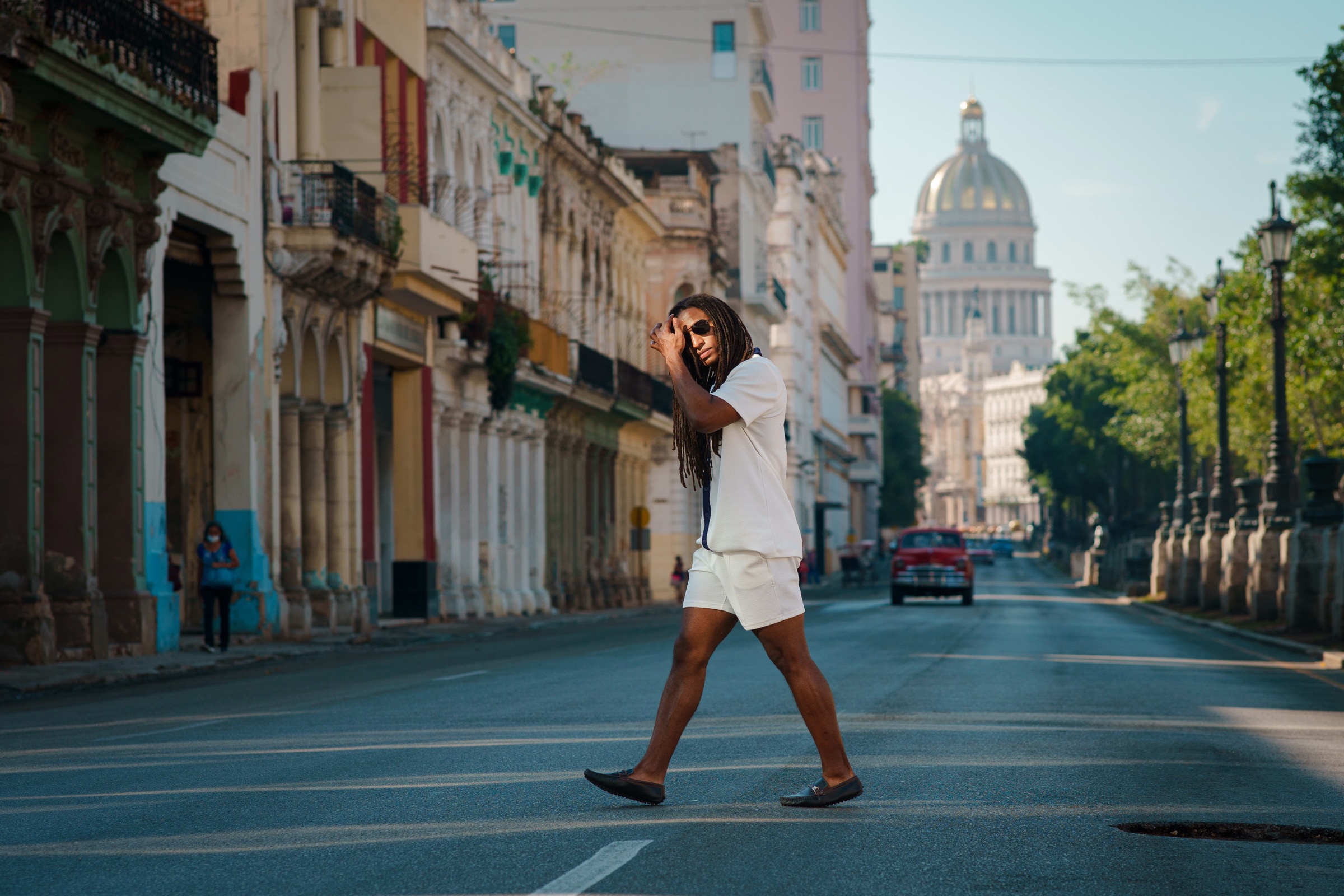
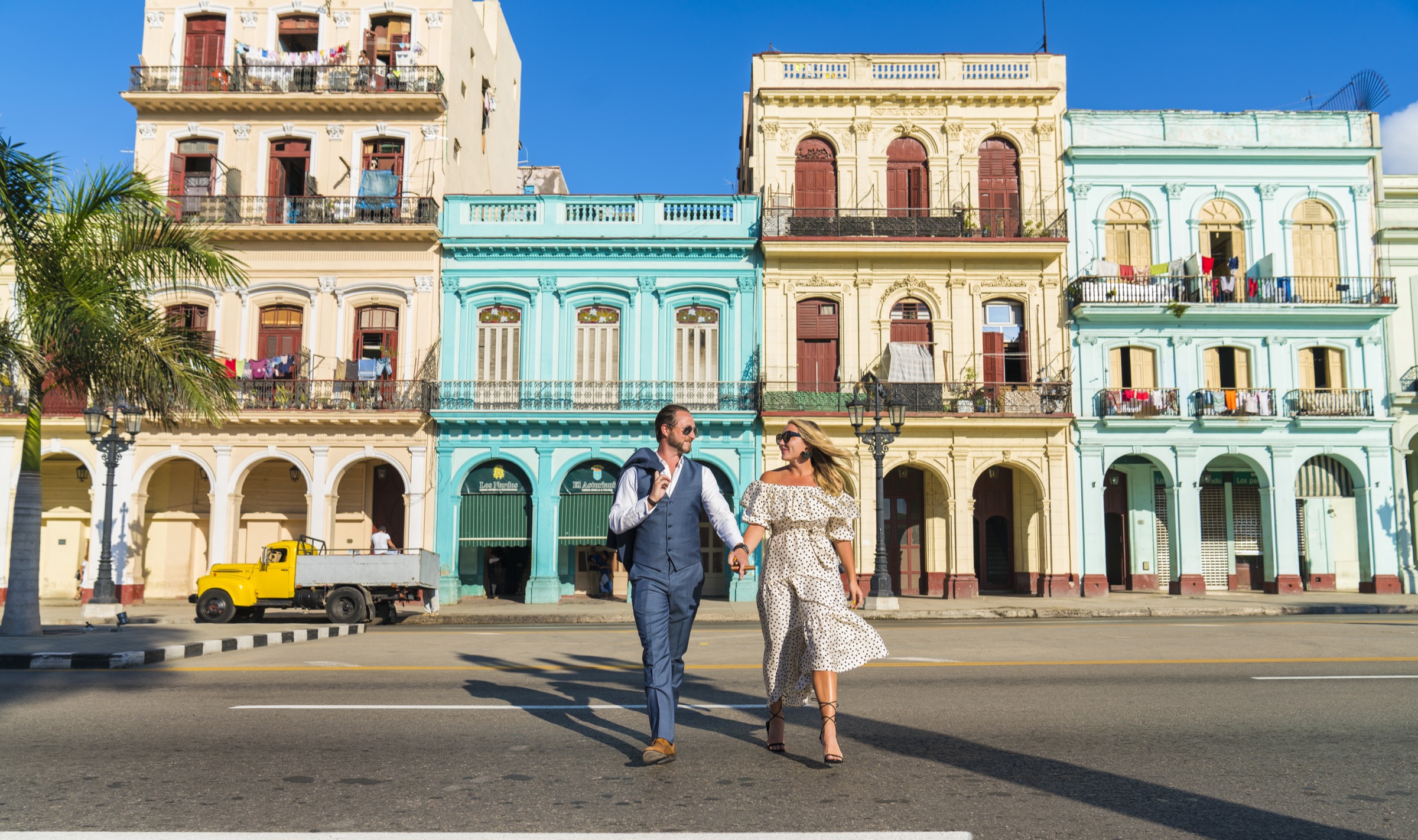
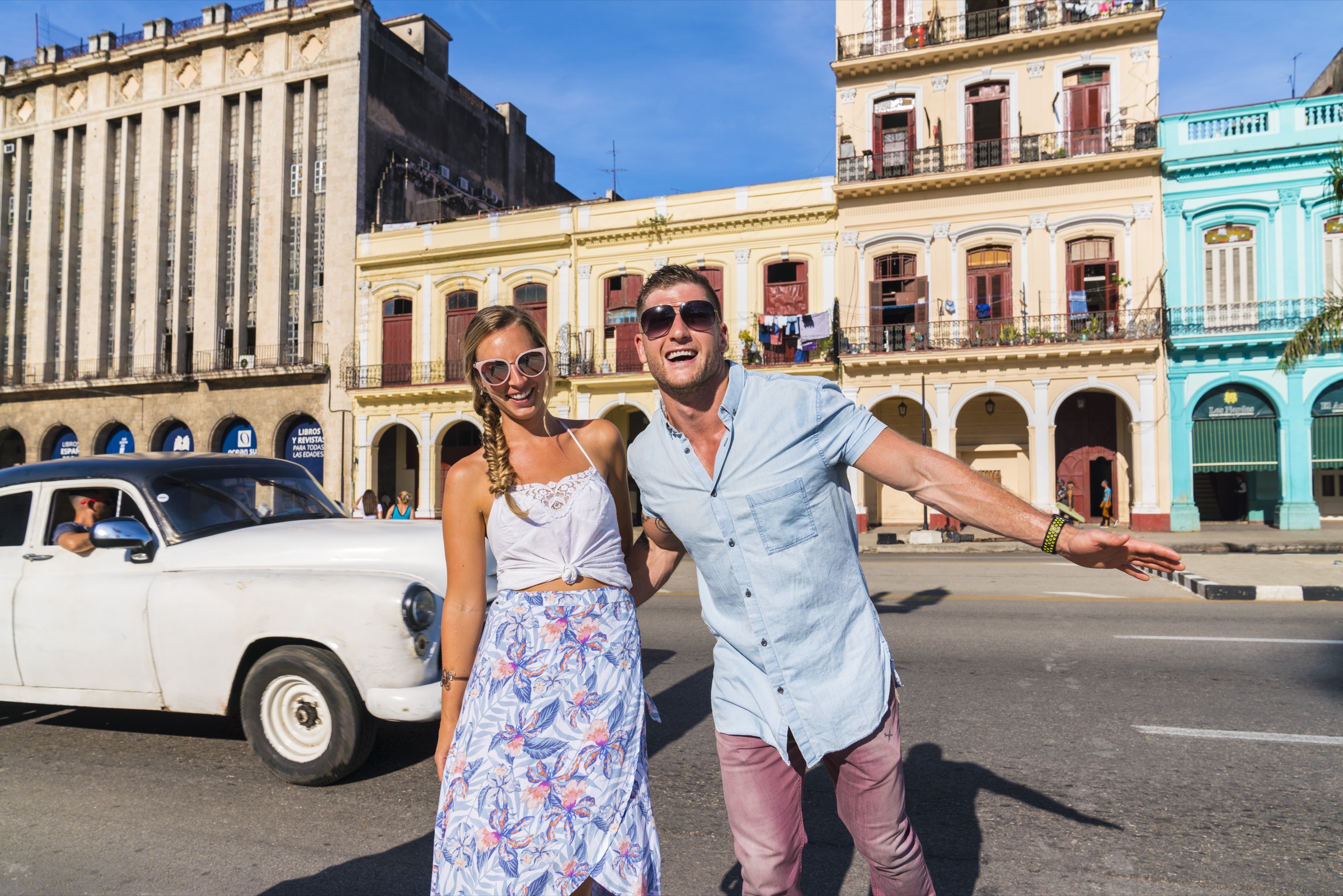
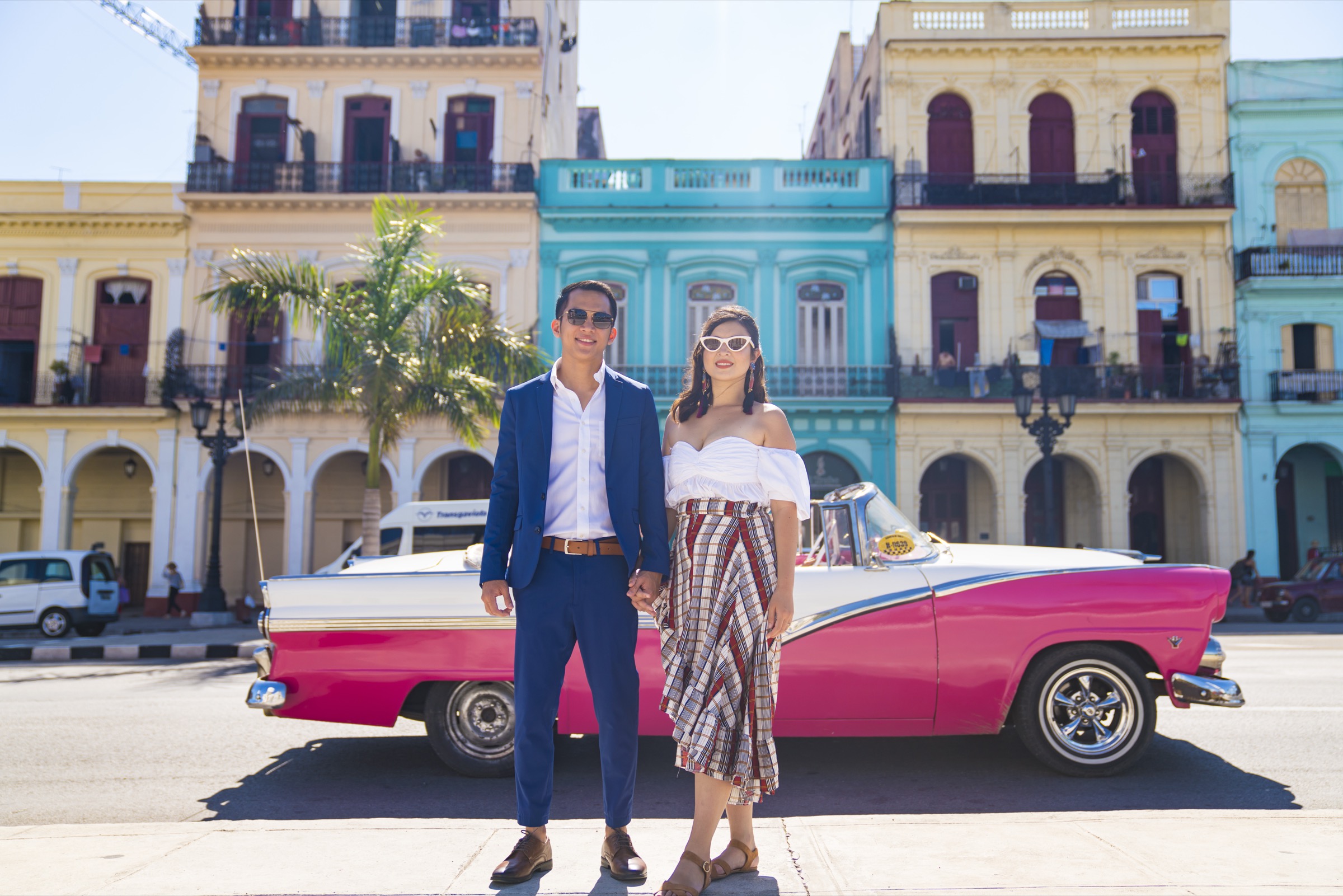
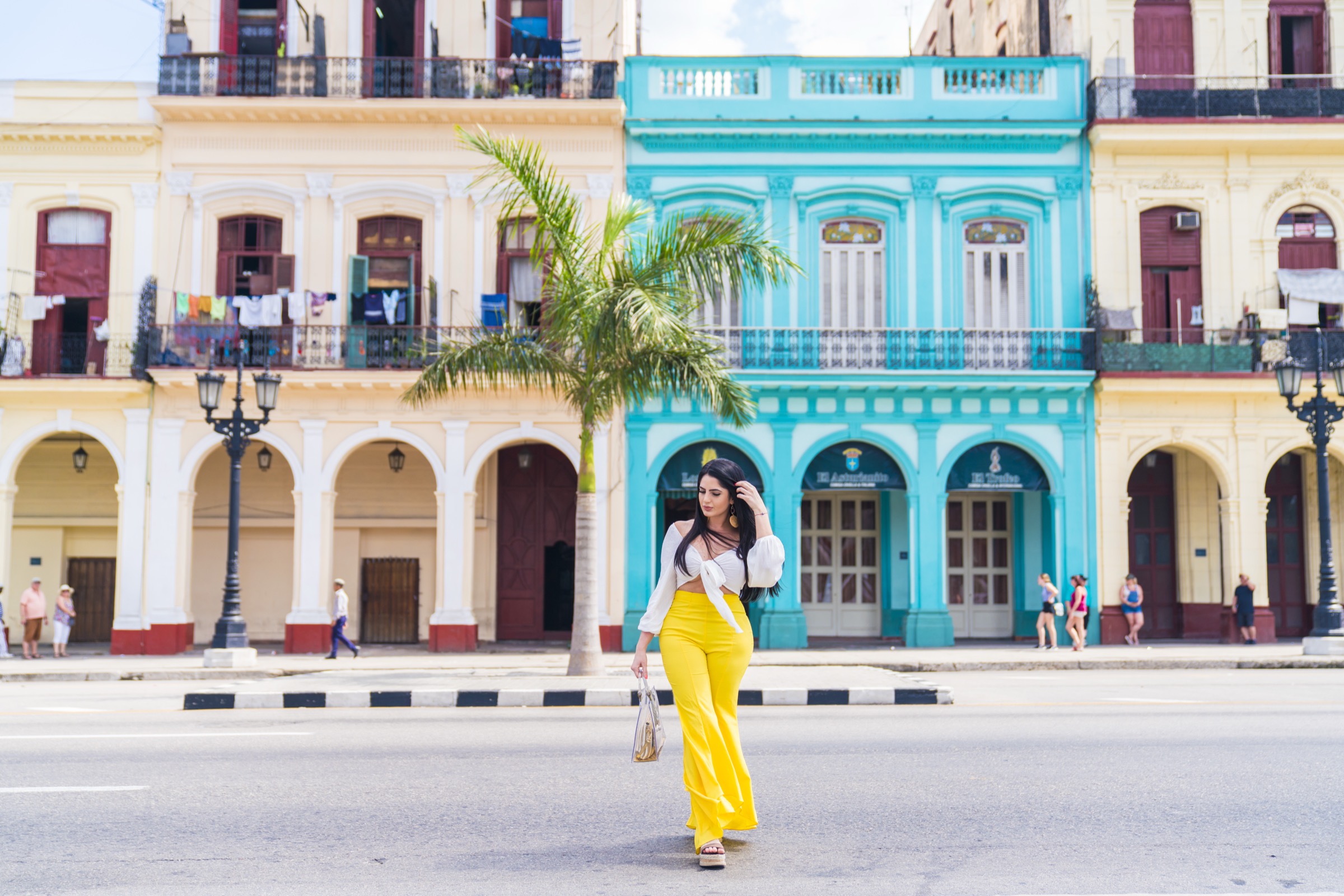
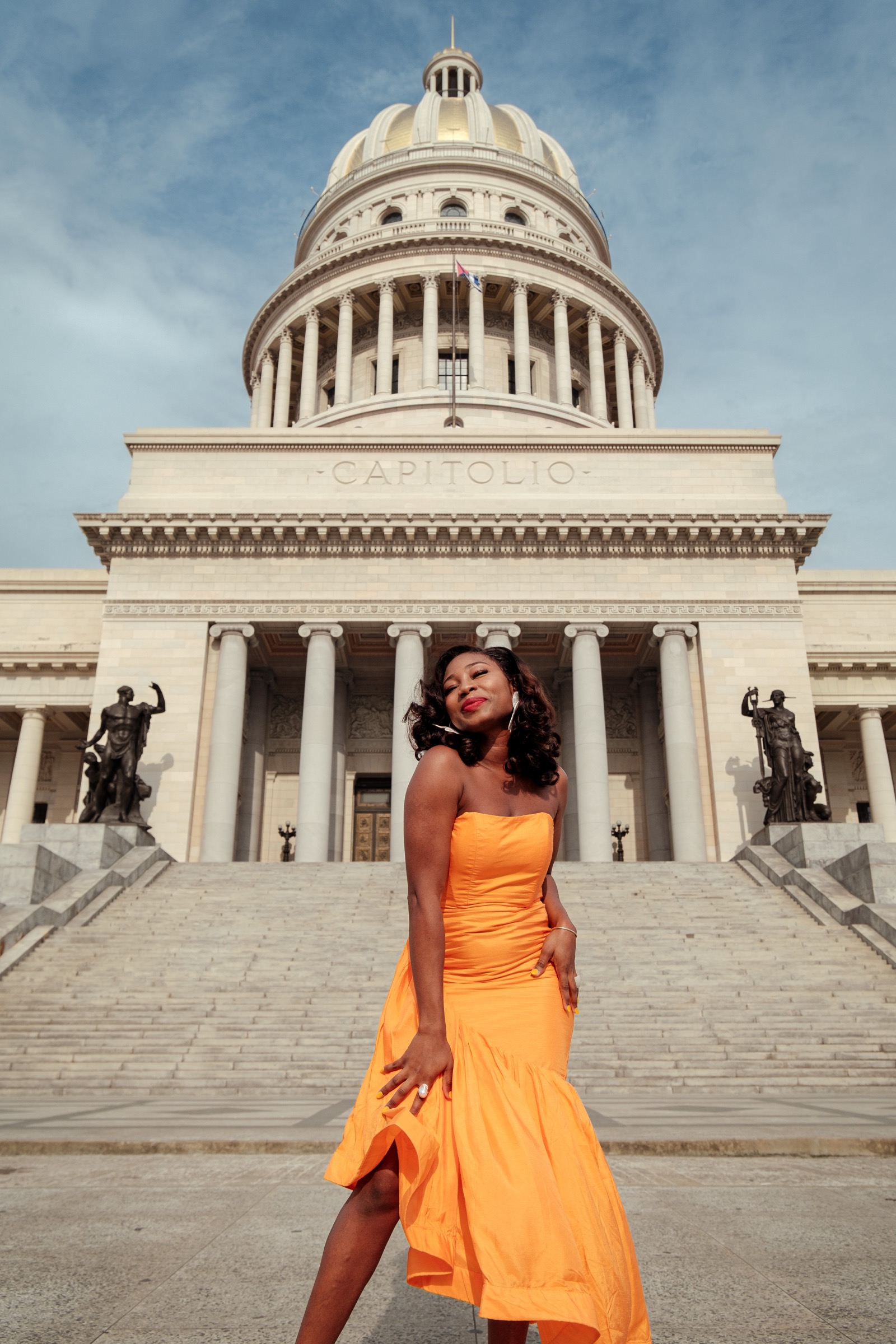
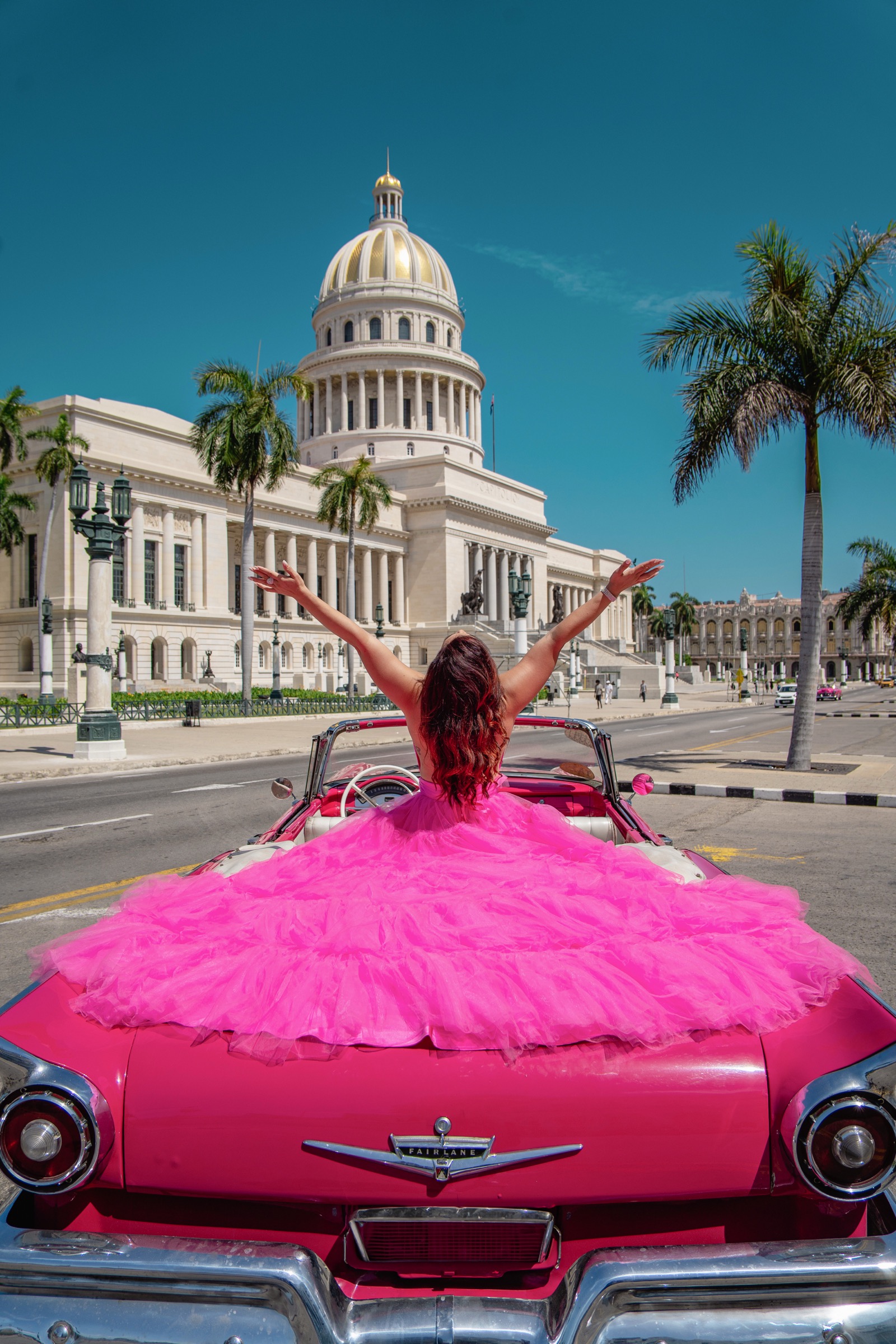
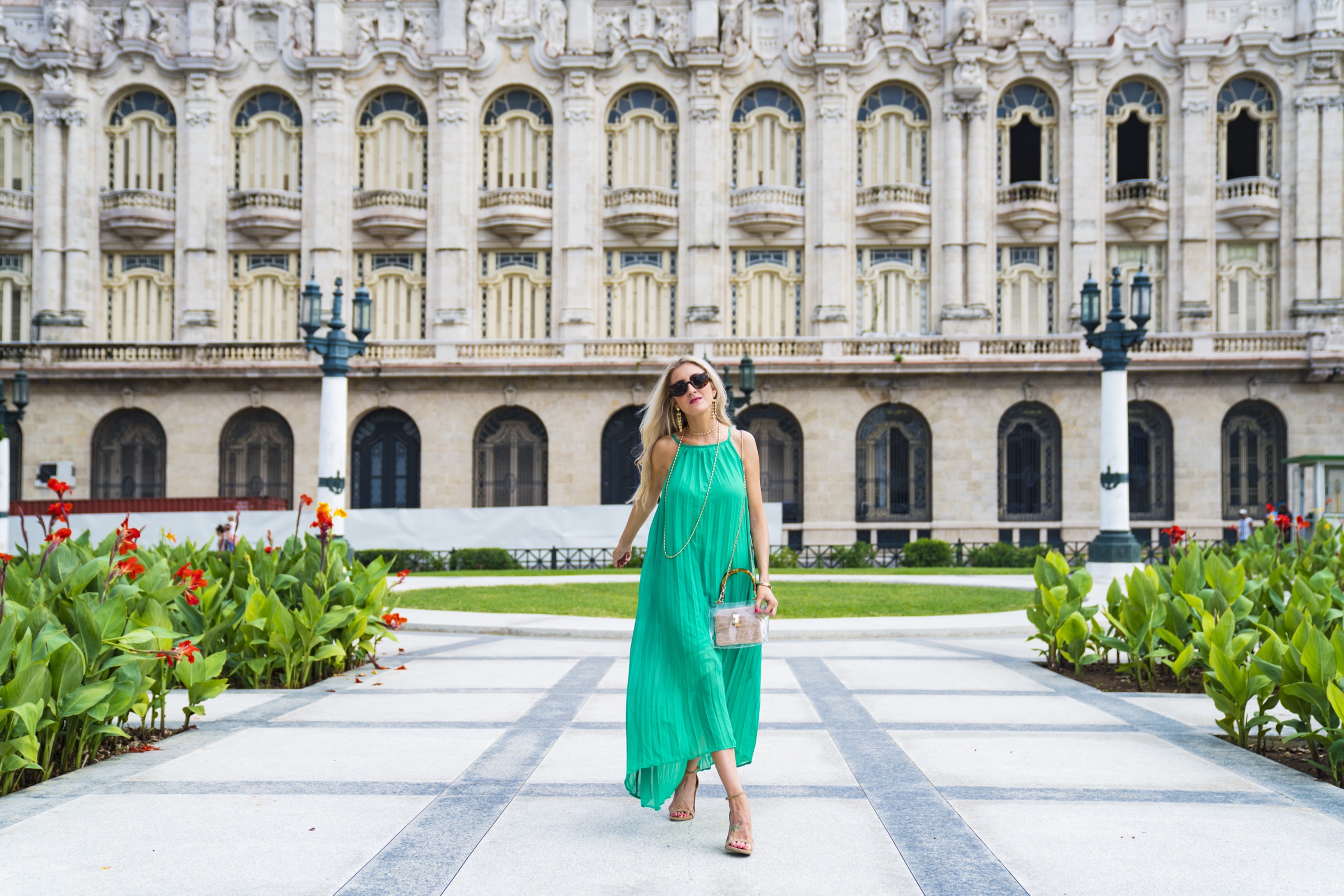
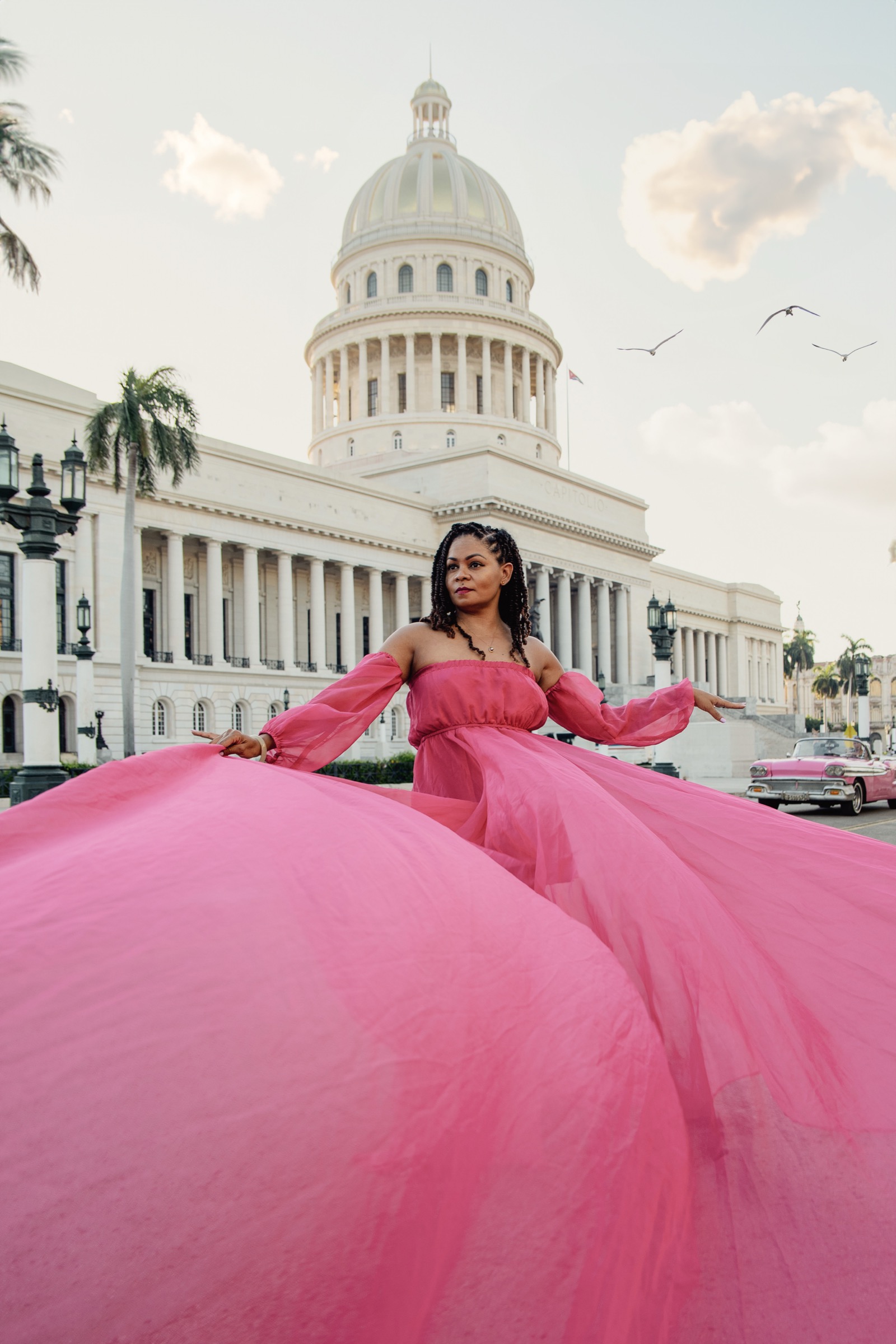
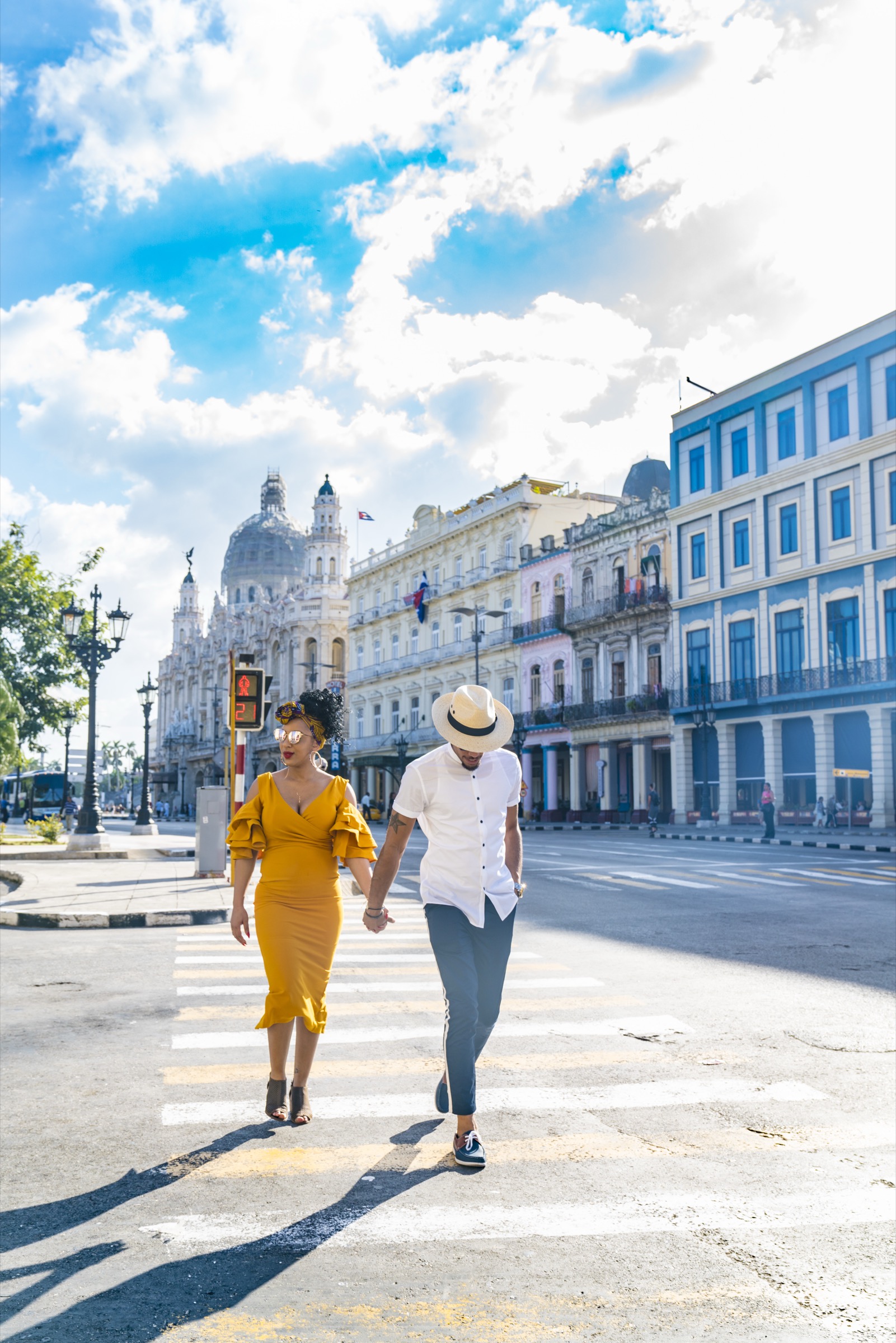
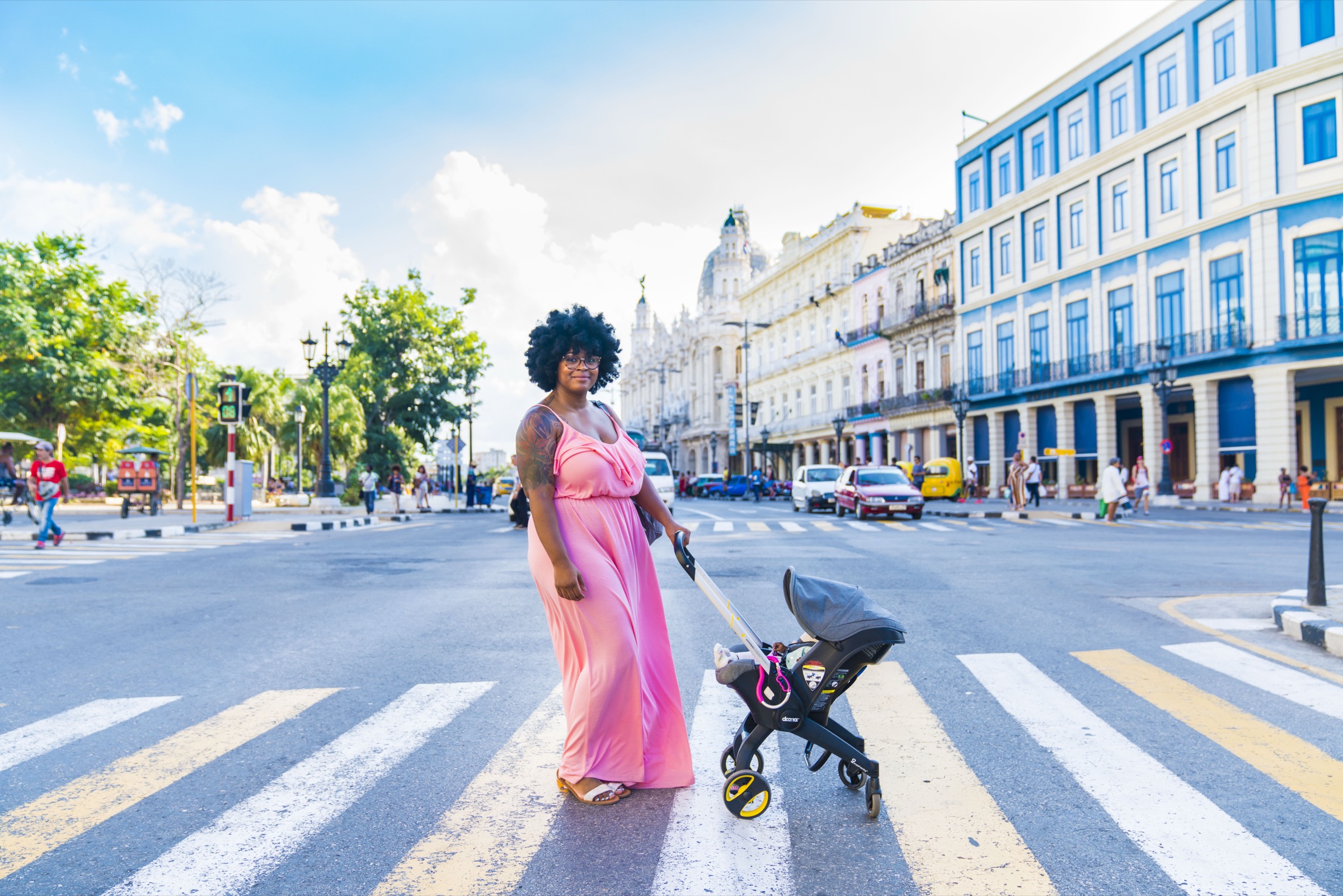
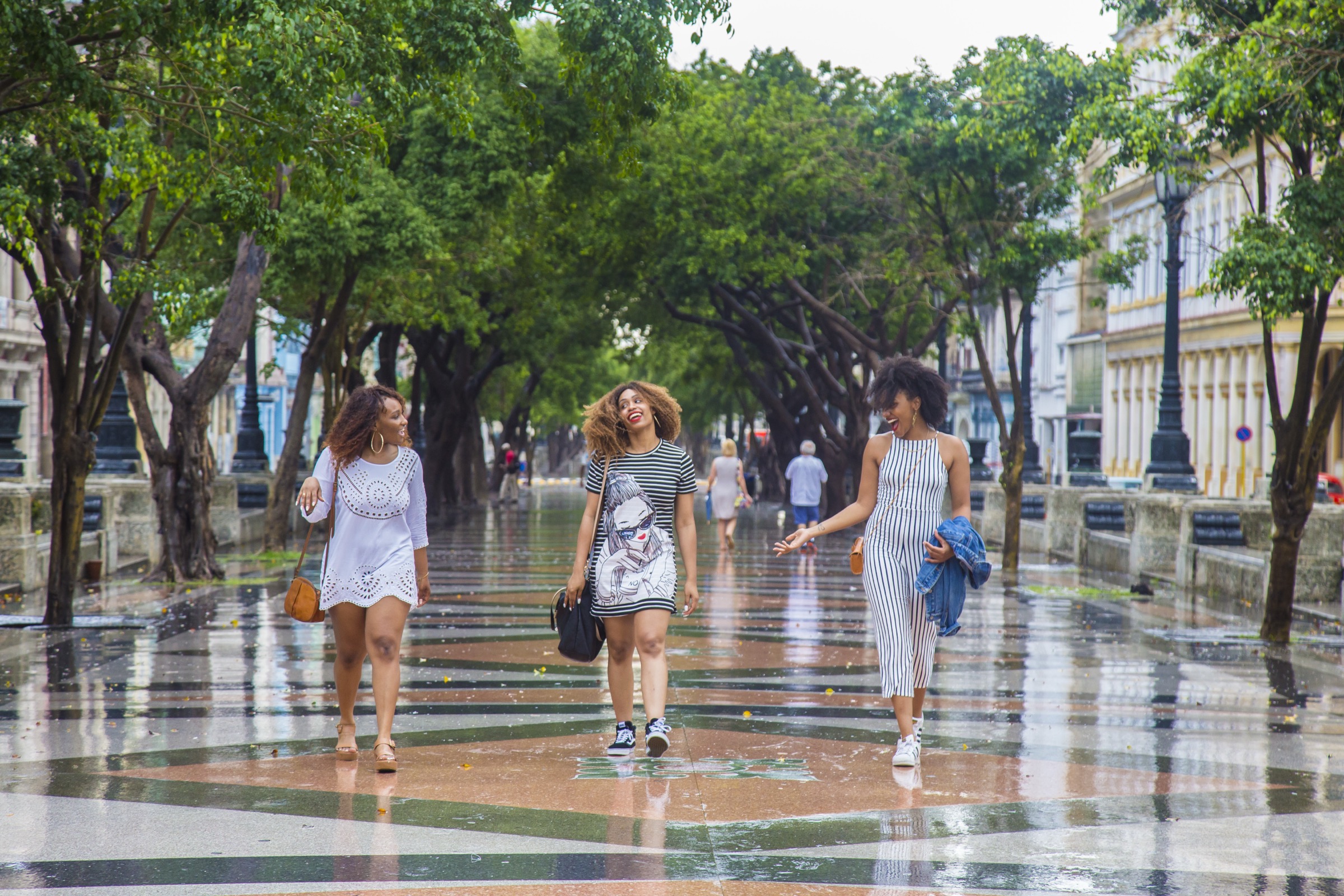
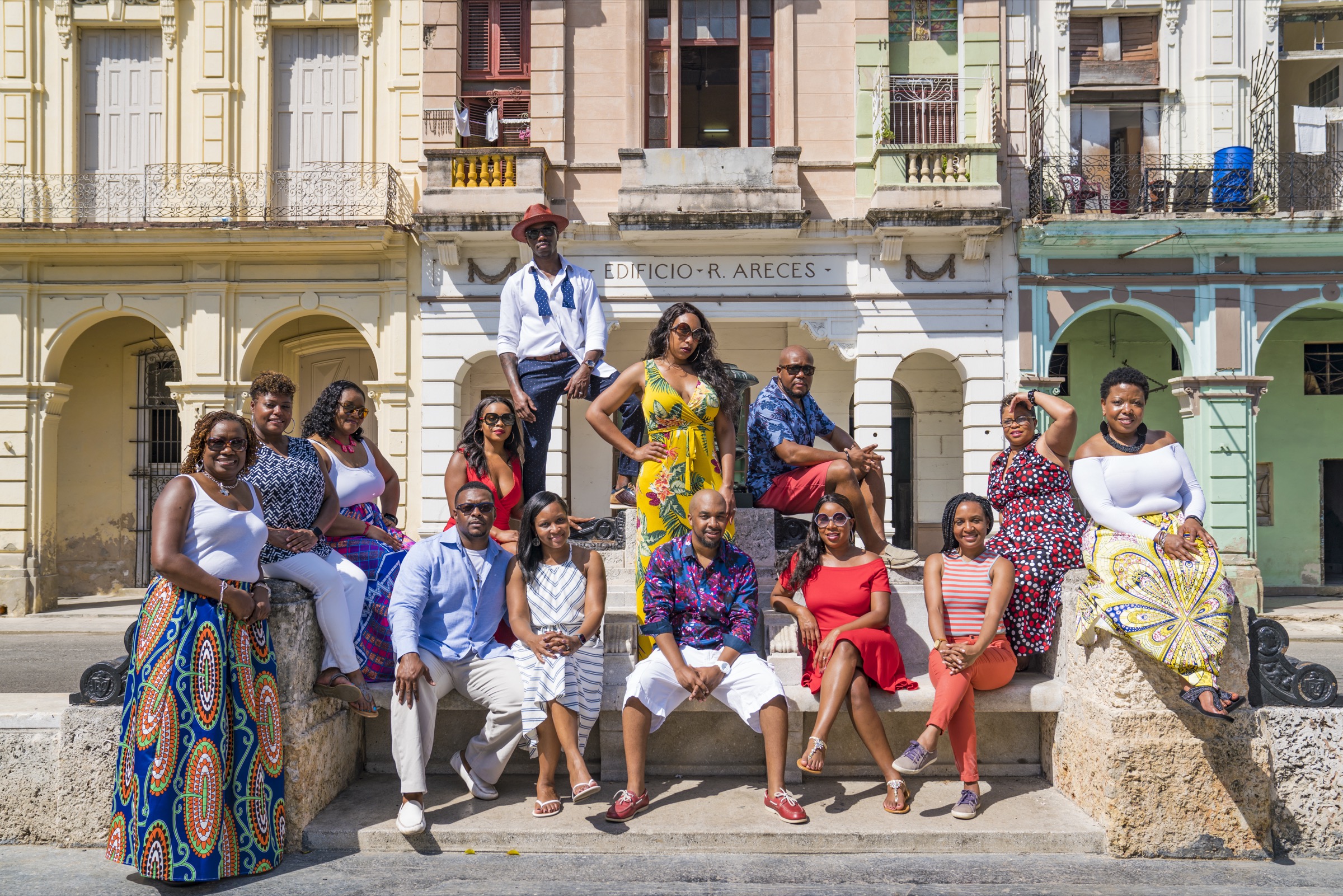
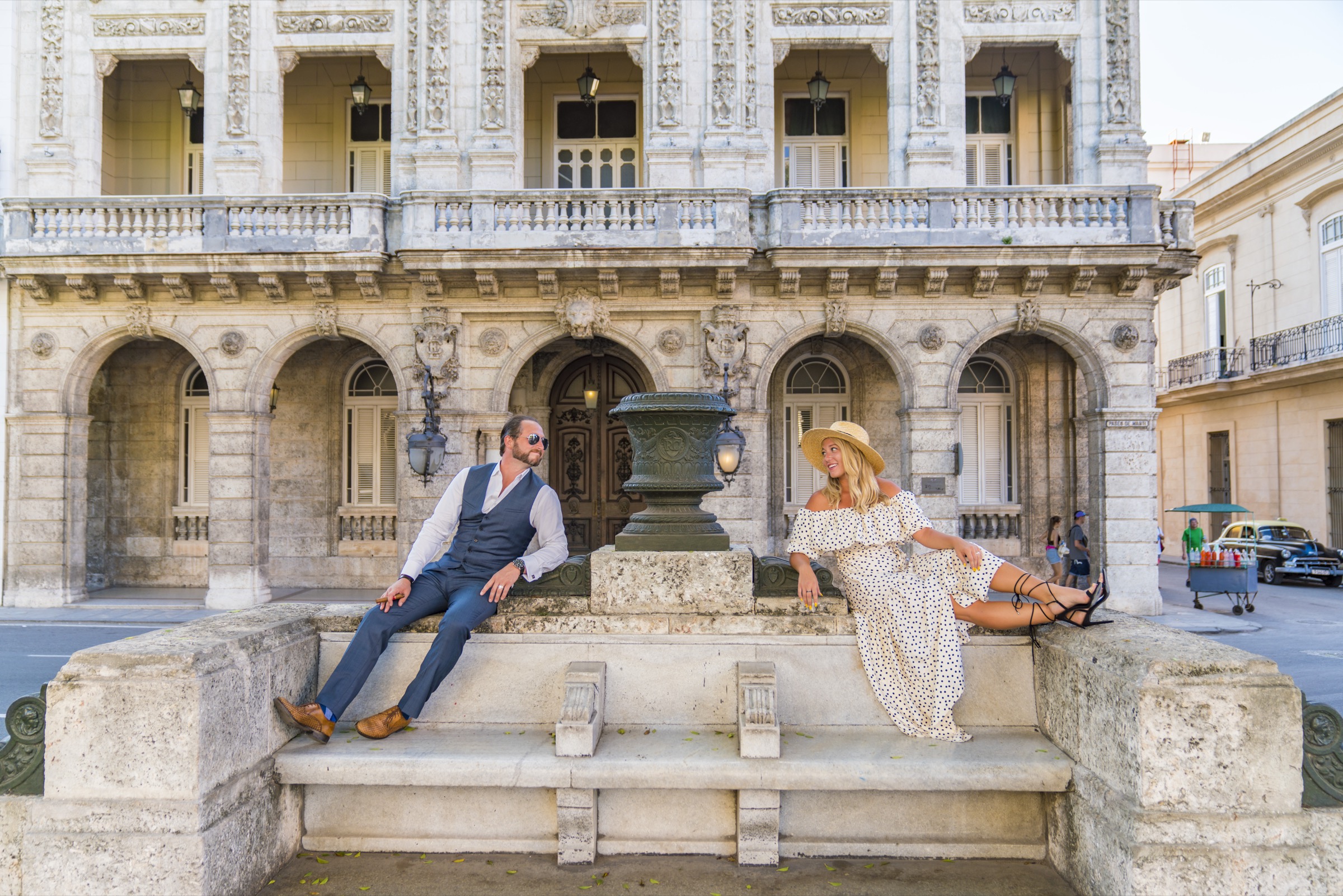
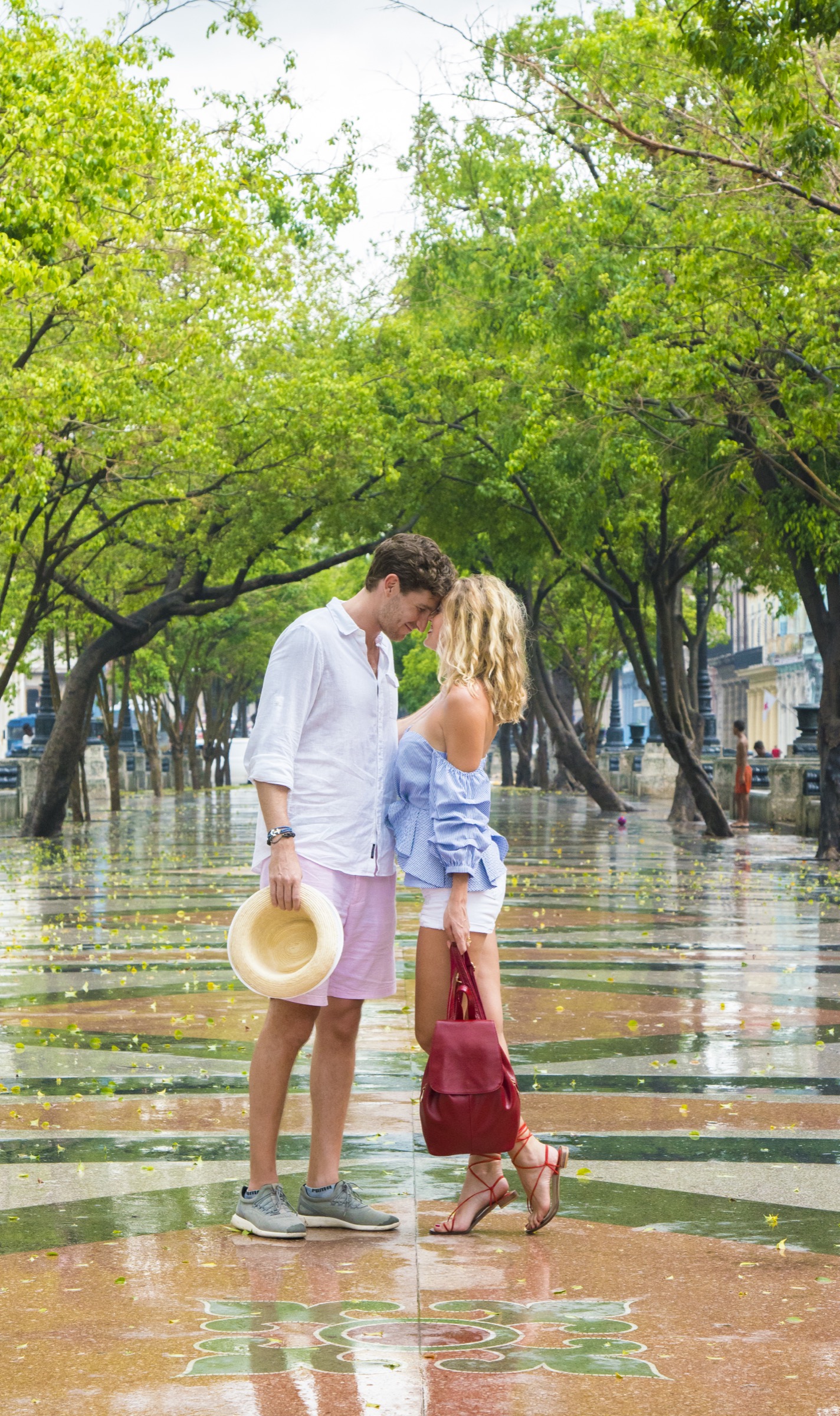
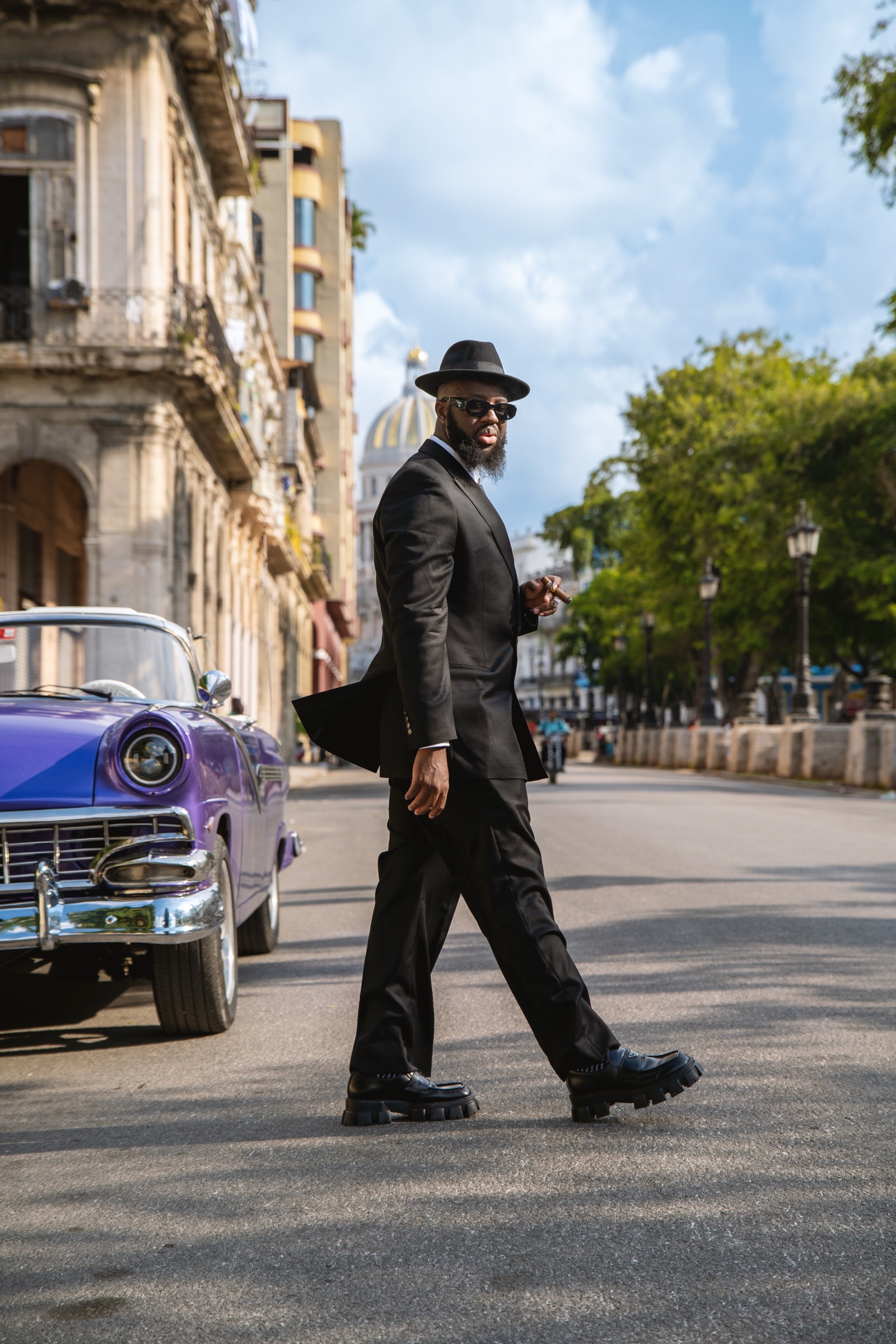
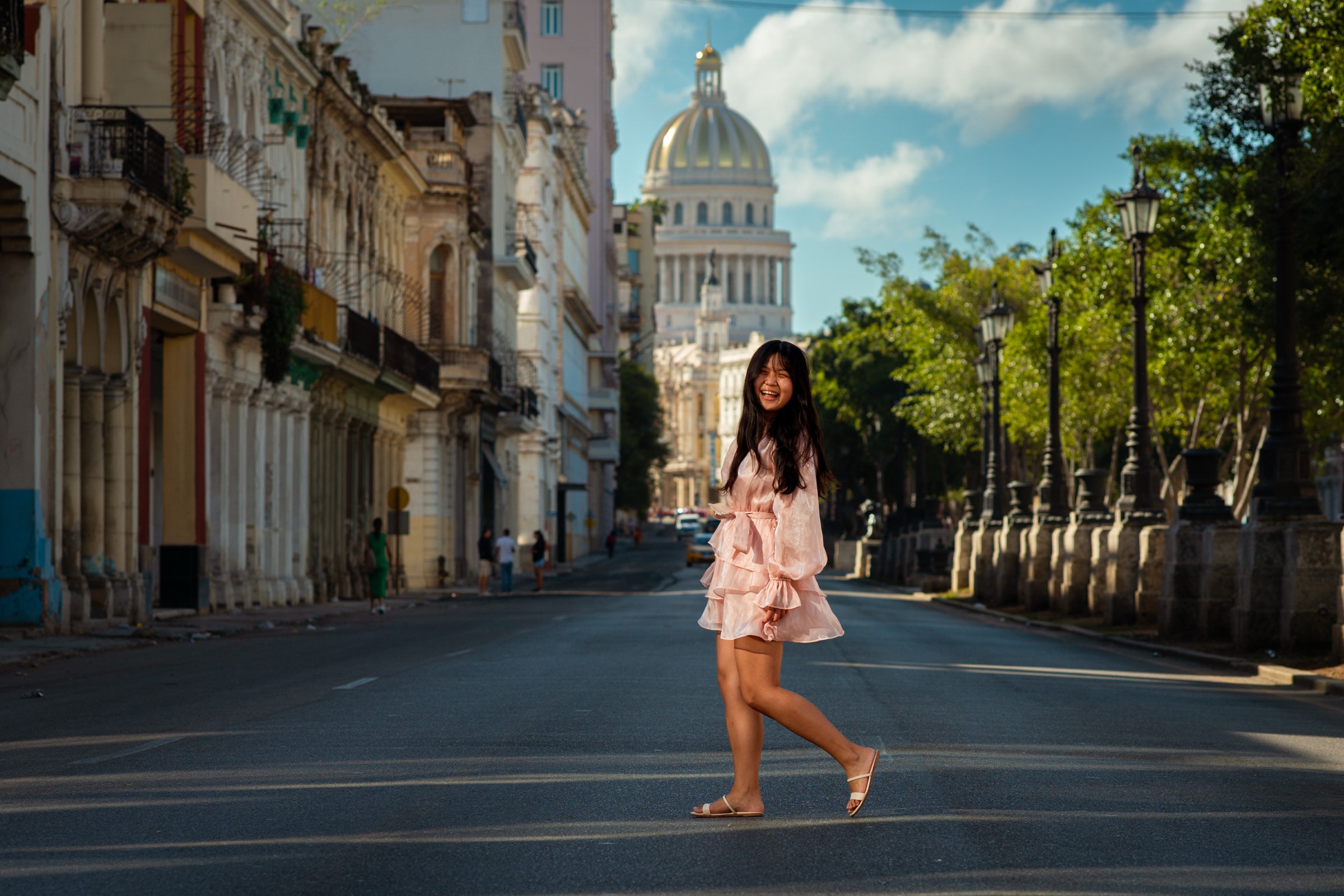
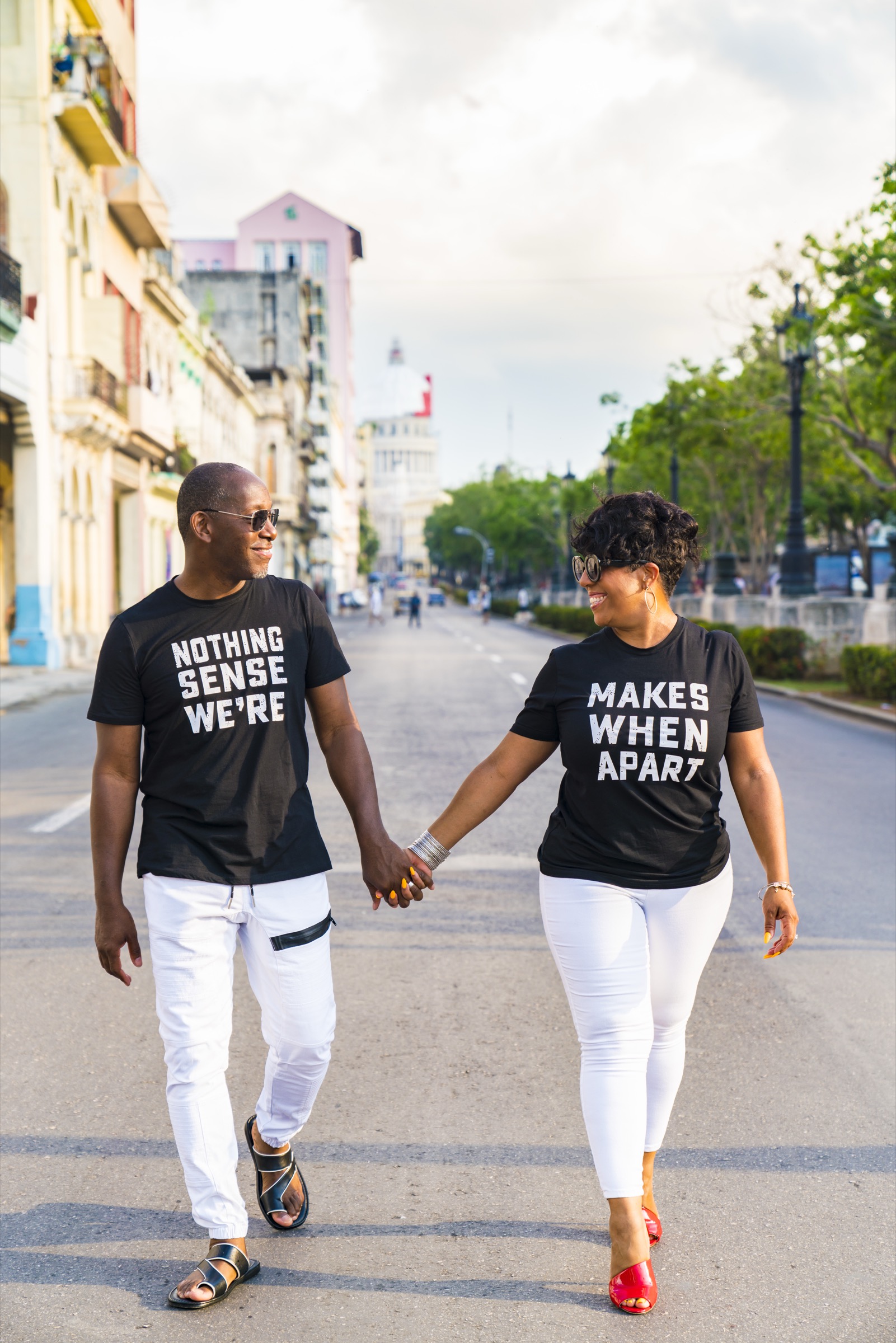
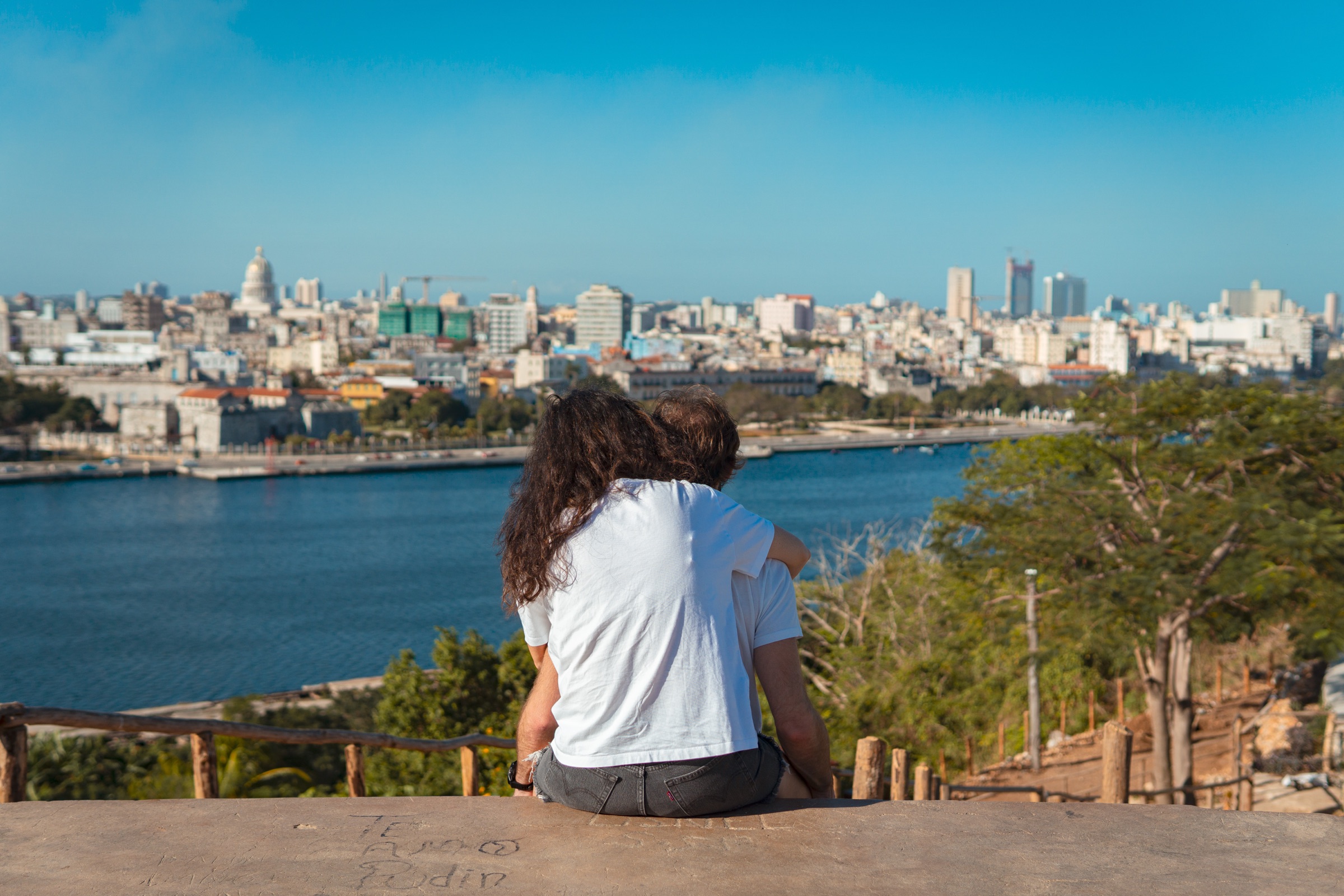
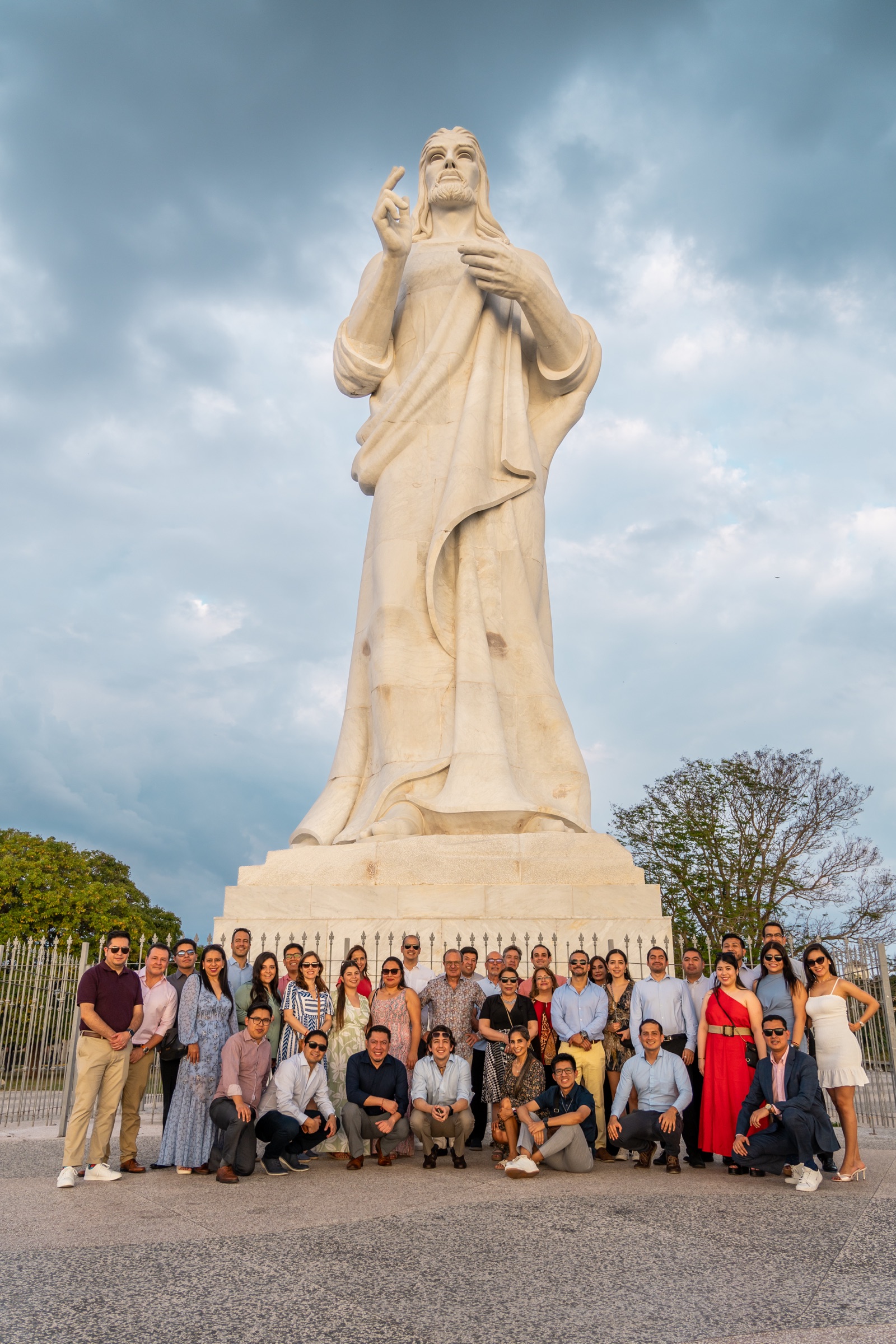
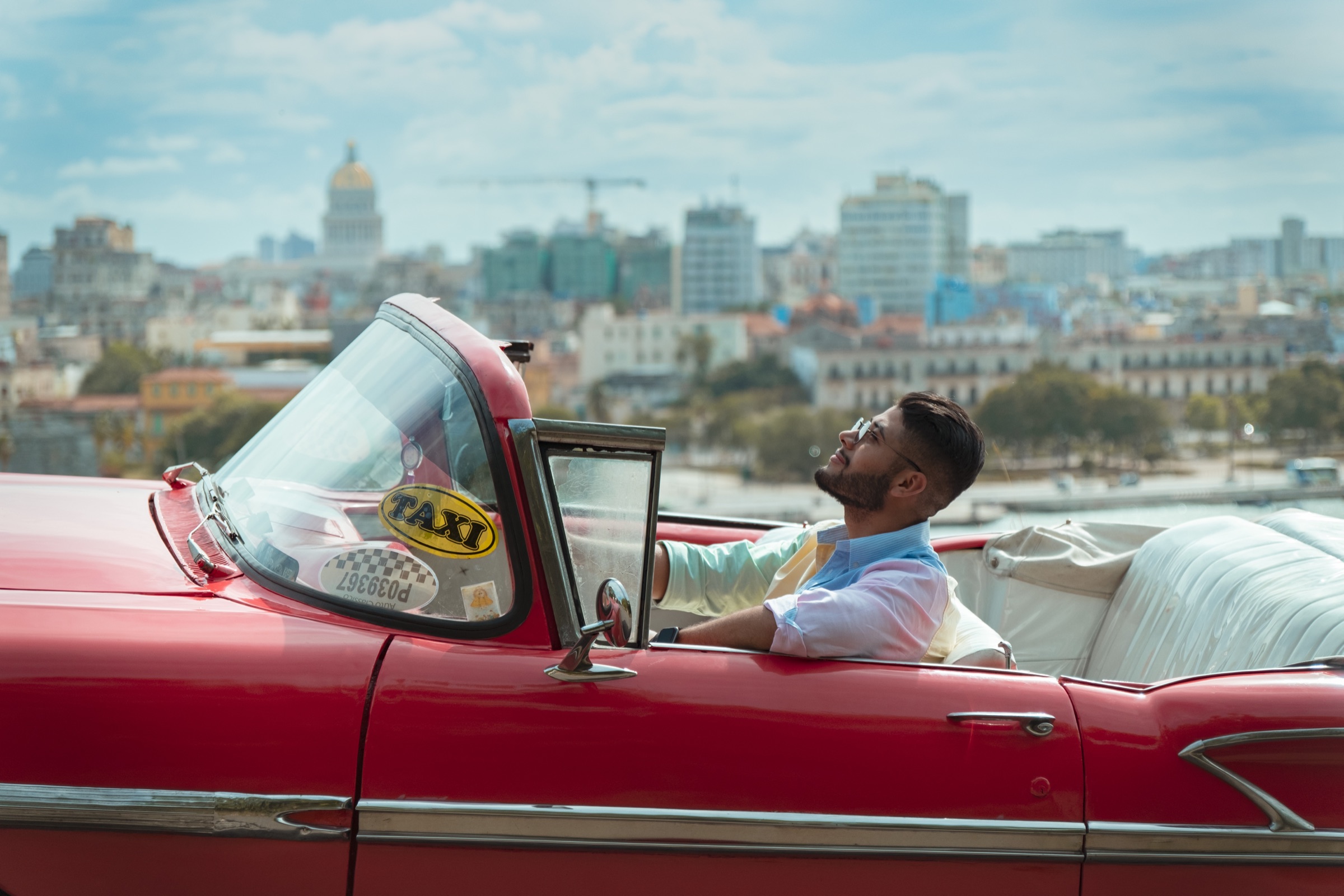
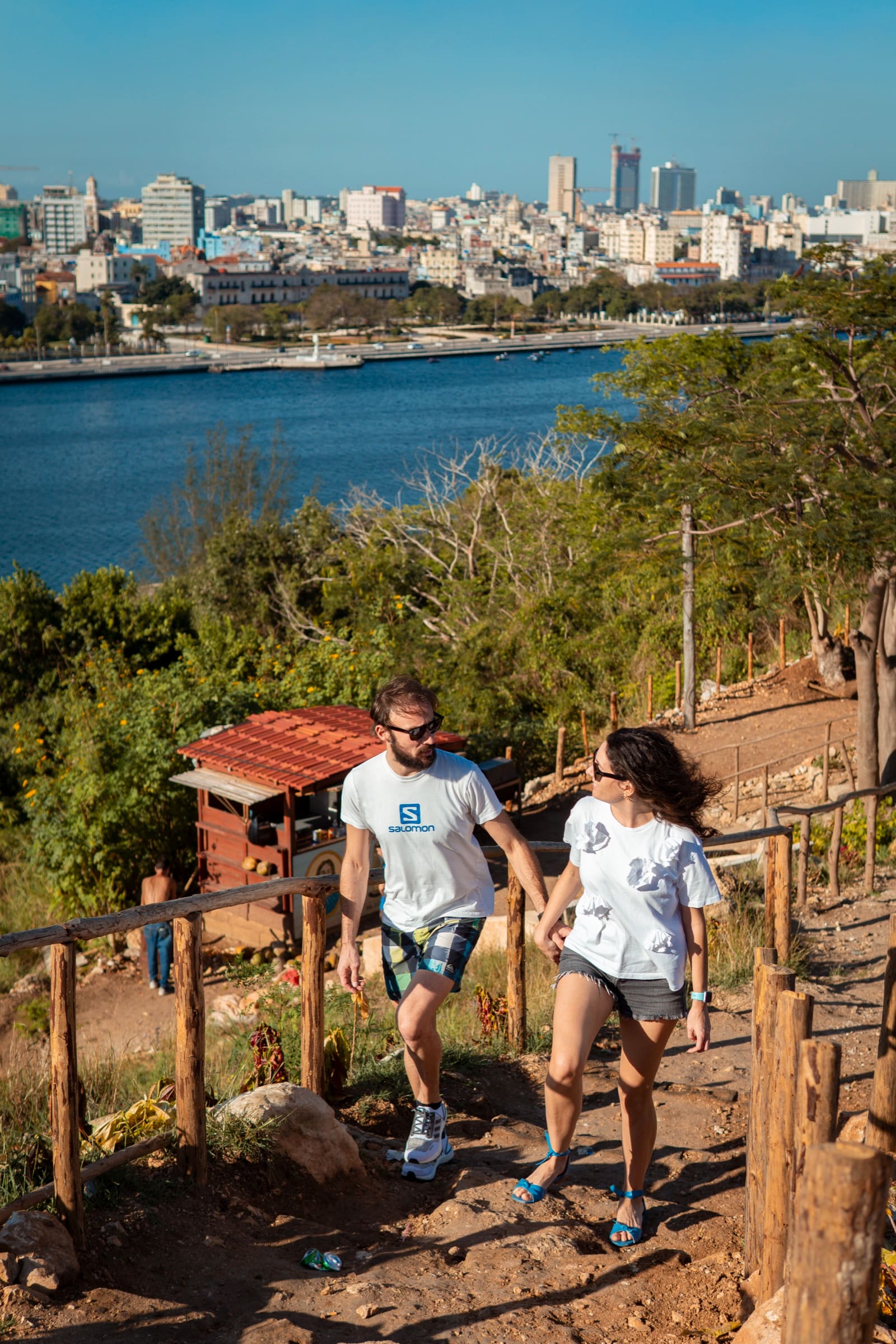
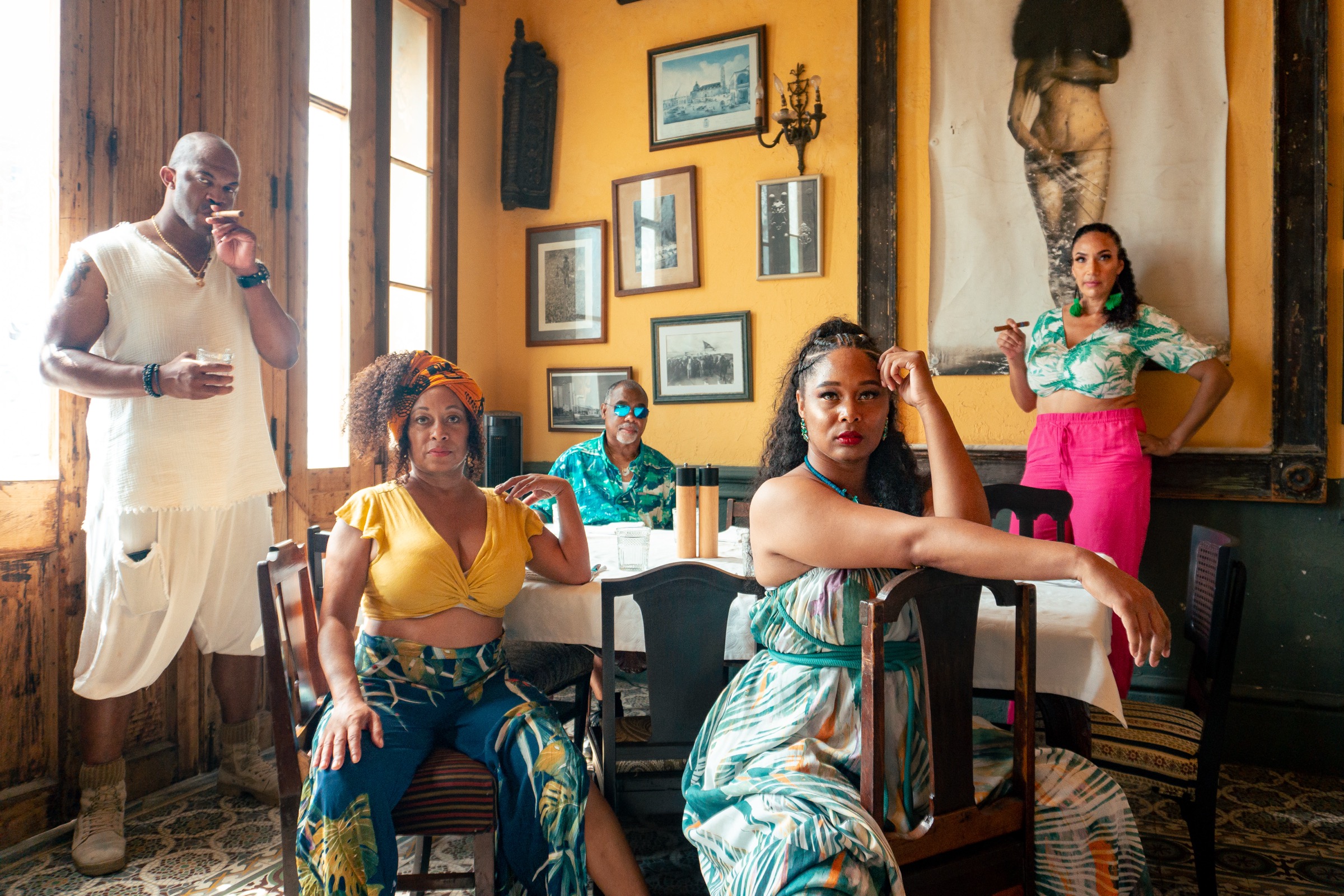
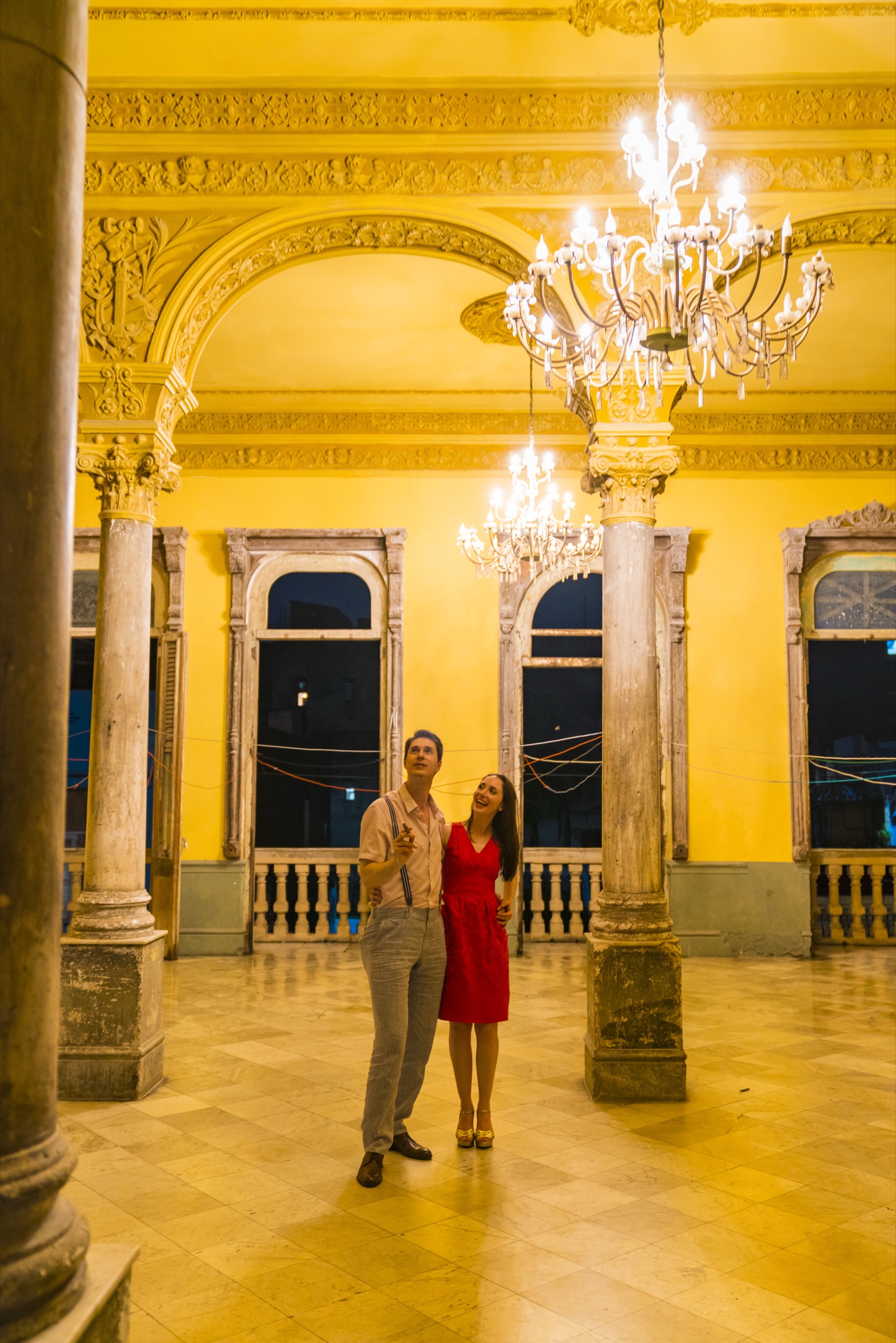
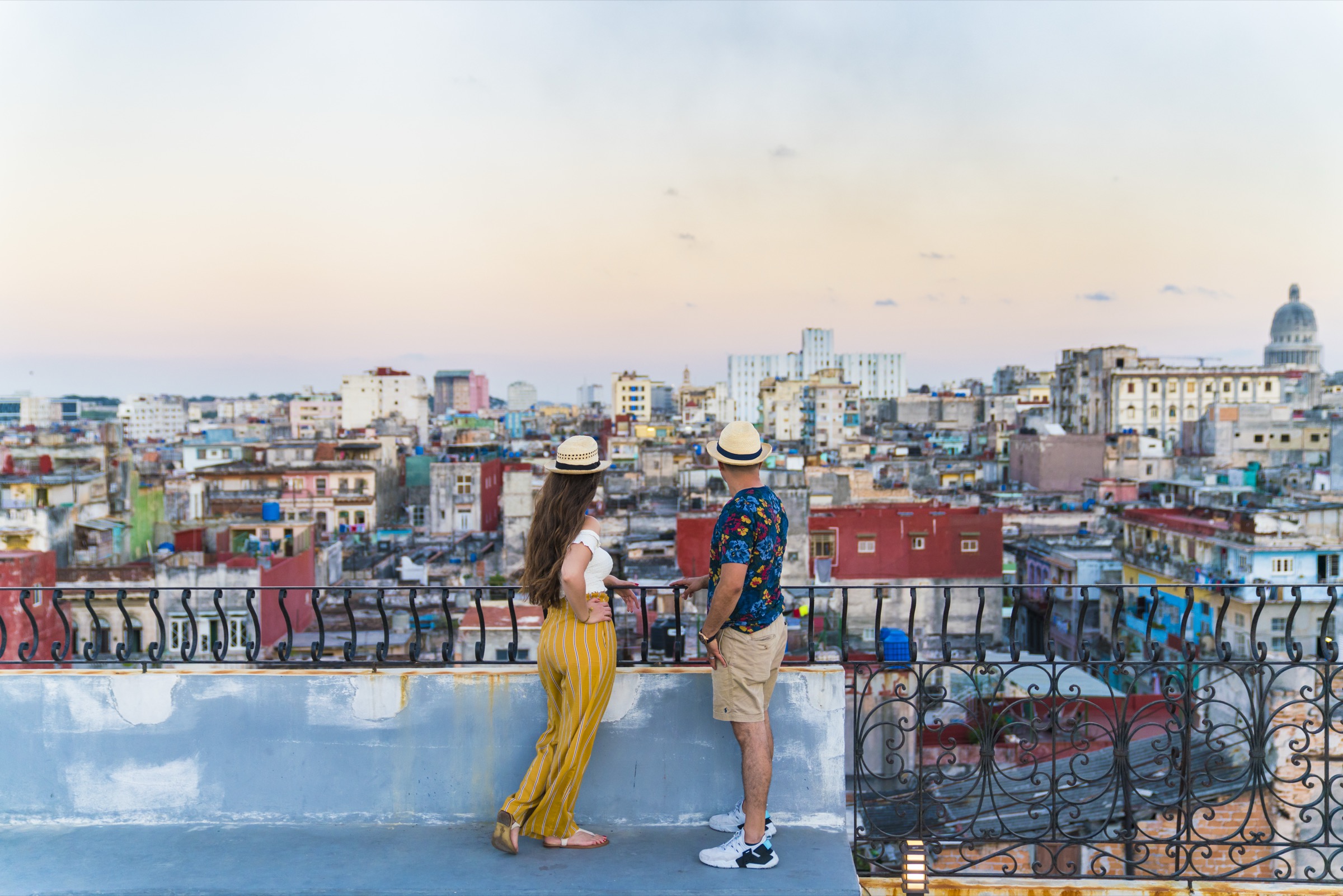
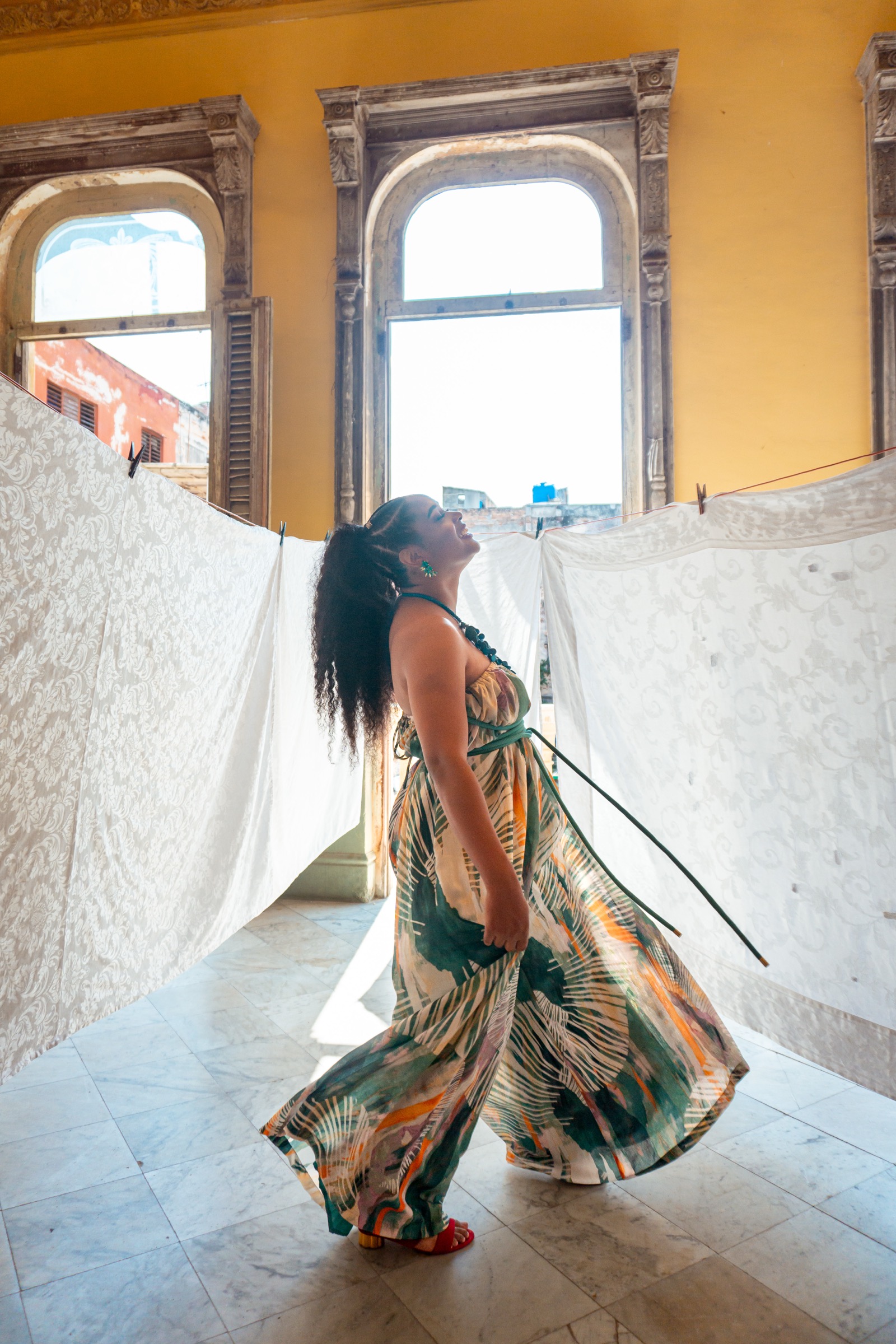
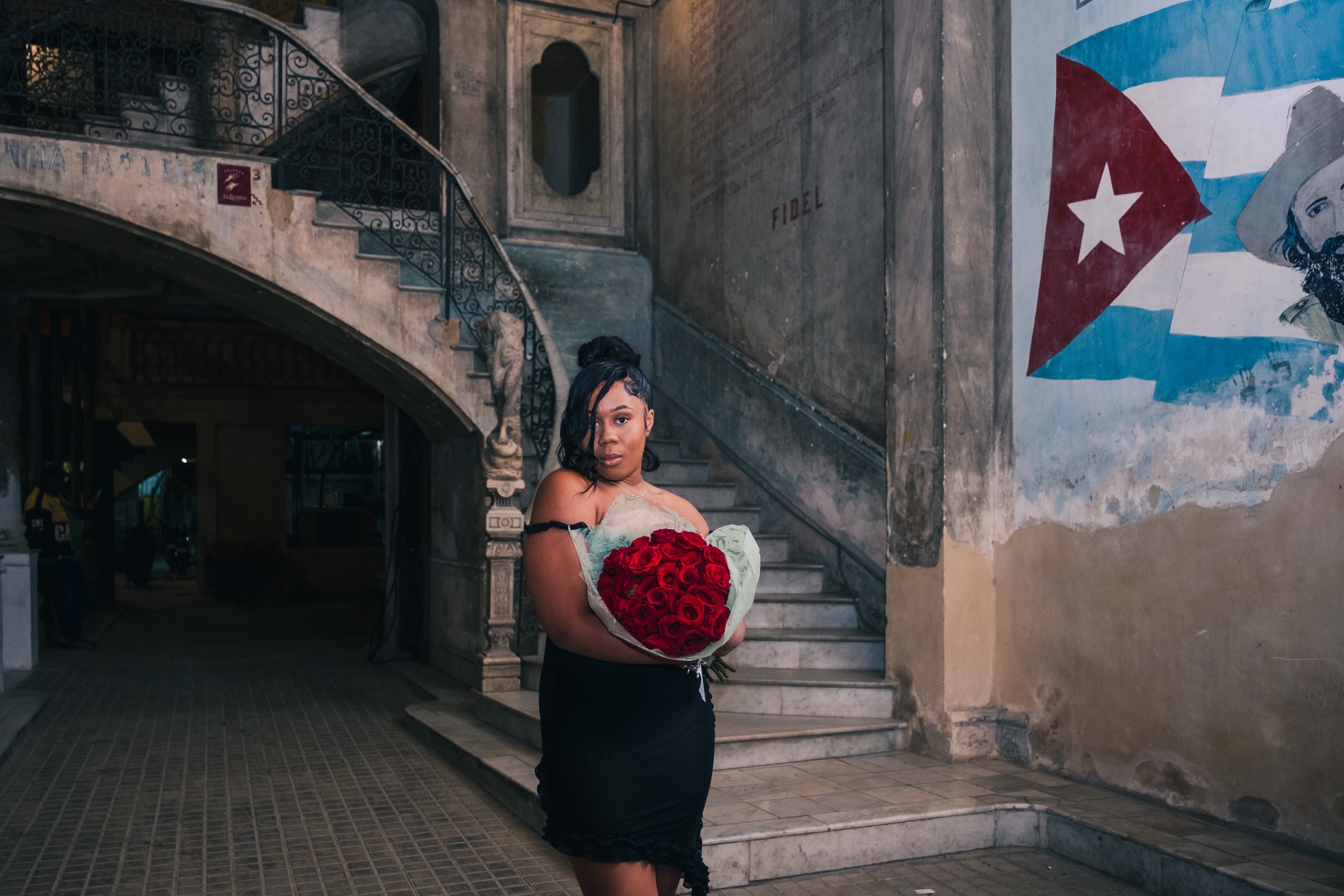
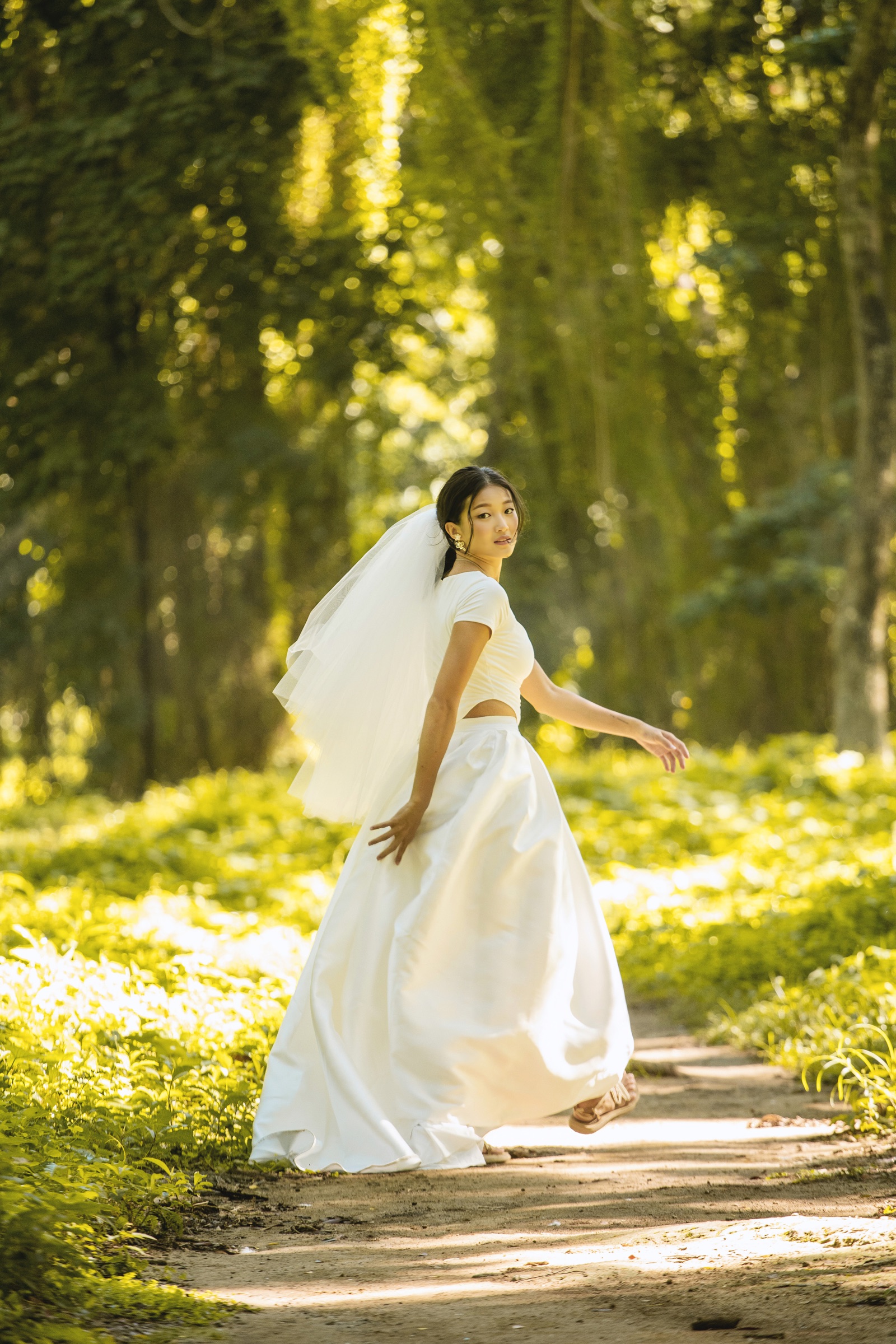
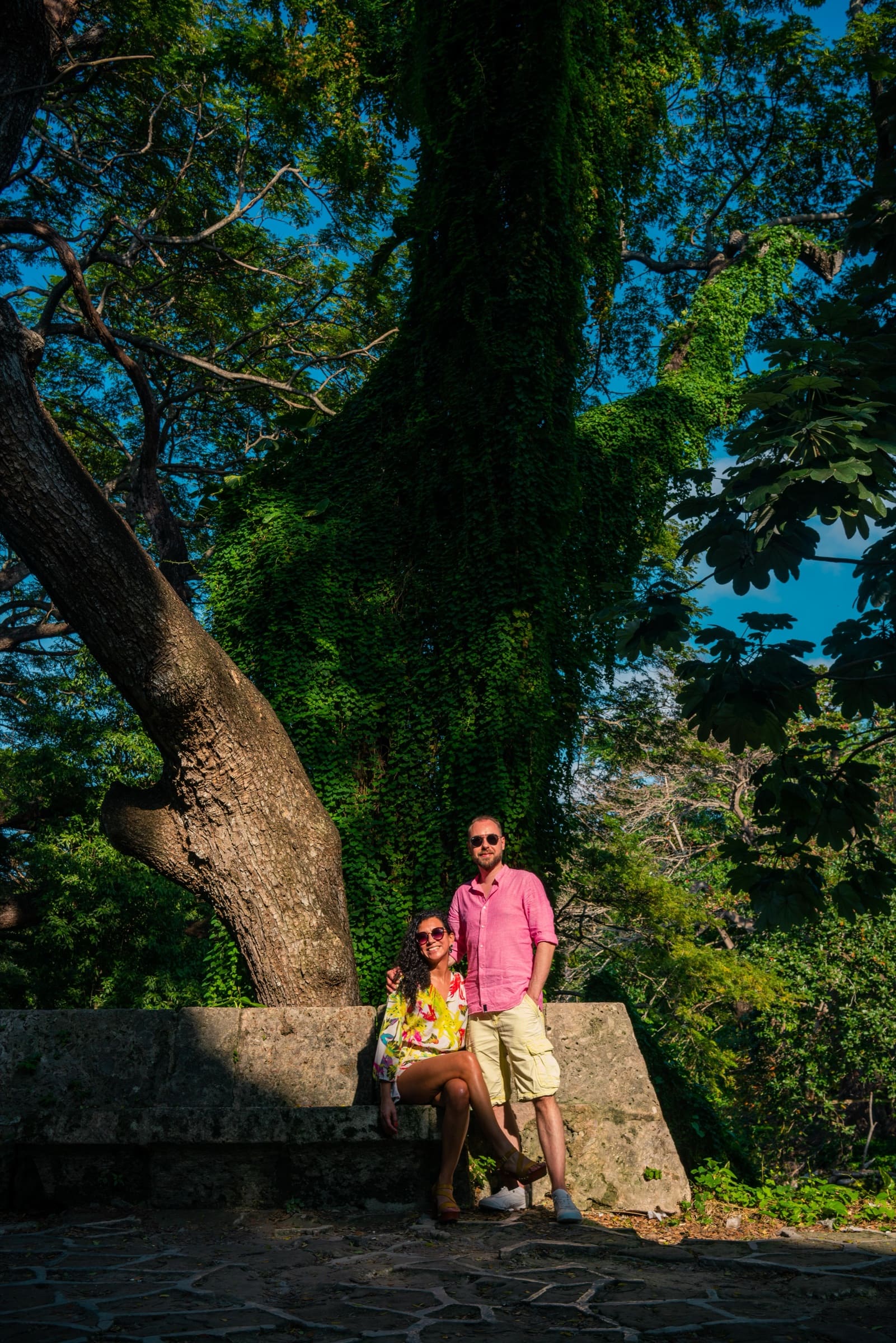
A person walking across Paseo del Prado, the Capitolio dome rising behind
Cuban Soul in Pictures Sixth Edition · 2026
— A Photographer's Companion —

Havana's
Instagram Guide

A tour through the city's most photogenic places — by Manuel.

Begin the tour @cubansoulpics
Chapter 01 · A Few Words

Welcome to Havana — and thank you for joining the tour.

First things first: thank you for picking up this guide. It is a real joy to help make your trip to Cuba a memorable one — and, with a little luck, to turn Havana into one of your favorite places on earth.

Cuba has always been my home. It is a country full of vibrant stories, layered culture, and beautiful contradictions. I have been fortunate to live here, pursuing my passion for cinema and photography, and meeting travelers from all over the world along the way. In 2017 I launched an Airbnb Experience built around taking pictures in Havana — walking guests through the city's bright streets and uncovering its quieter corners. Over time, that experience grew into Cuban Soul in Pictures, a photography agency that now welcomes thousands of guests each year.

This year's edition leans harder into what most of you came for in the first place: the photographs. The history is still here in small, specific doses — woven into the spots where it actually matters — but the bulk of the book is now about taking better pictures of a city that does most of the work for you.

Whether you are here for two days or two weeks, you will find spots that suit your pace. Think of this as your trusty companion: tips, must-sees, and just enough context to make the photos mean something.

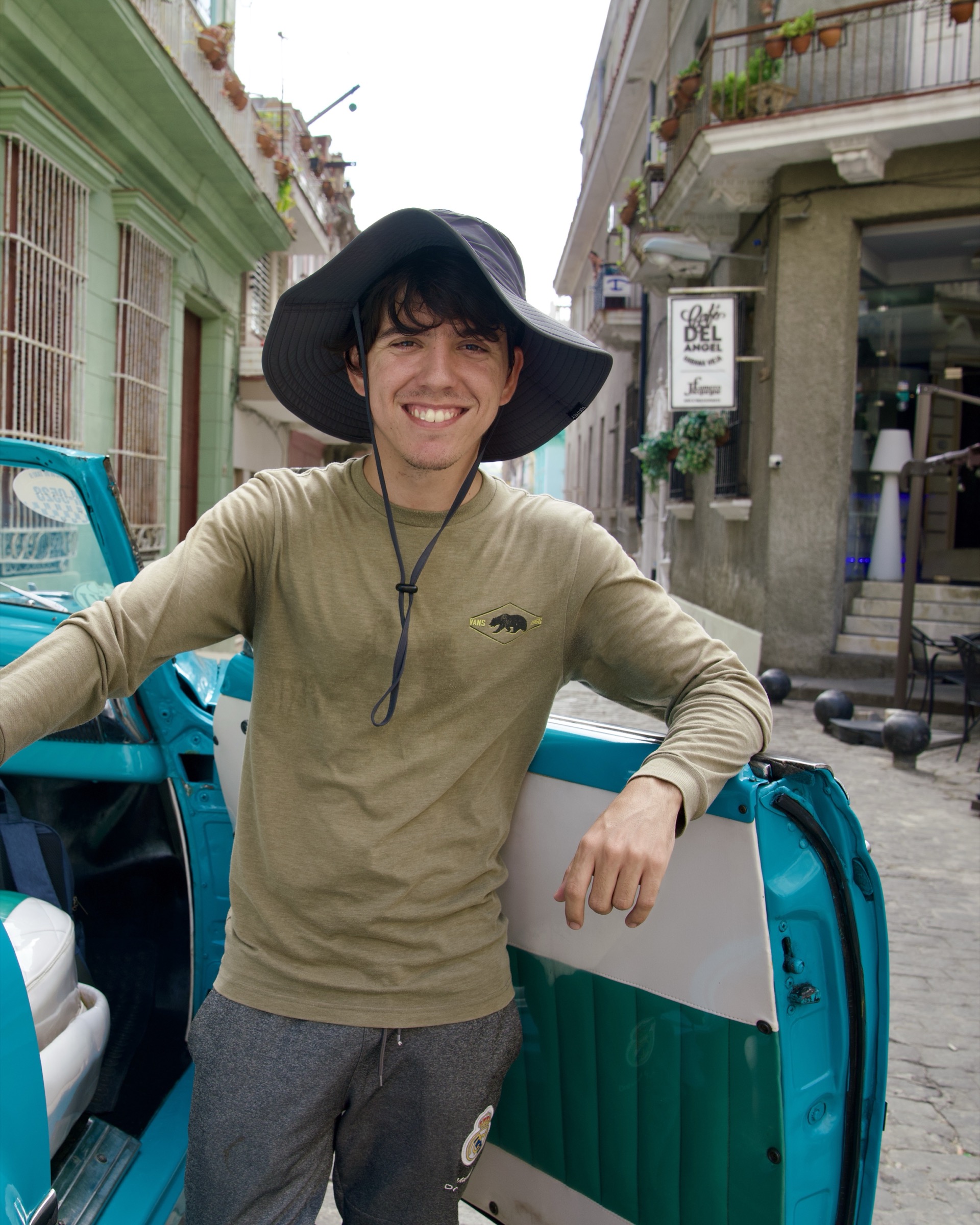
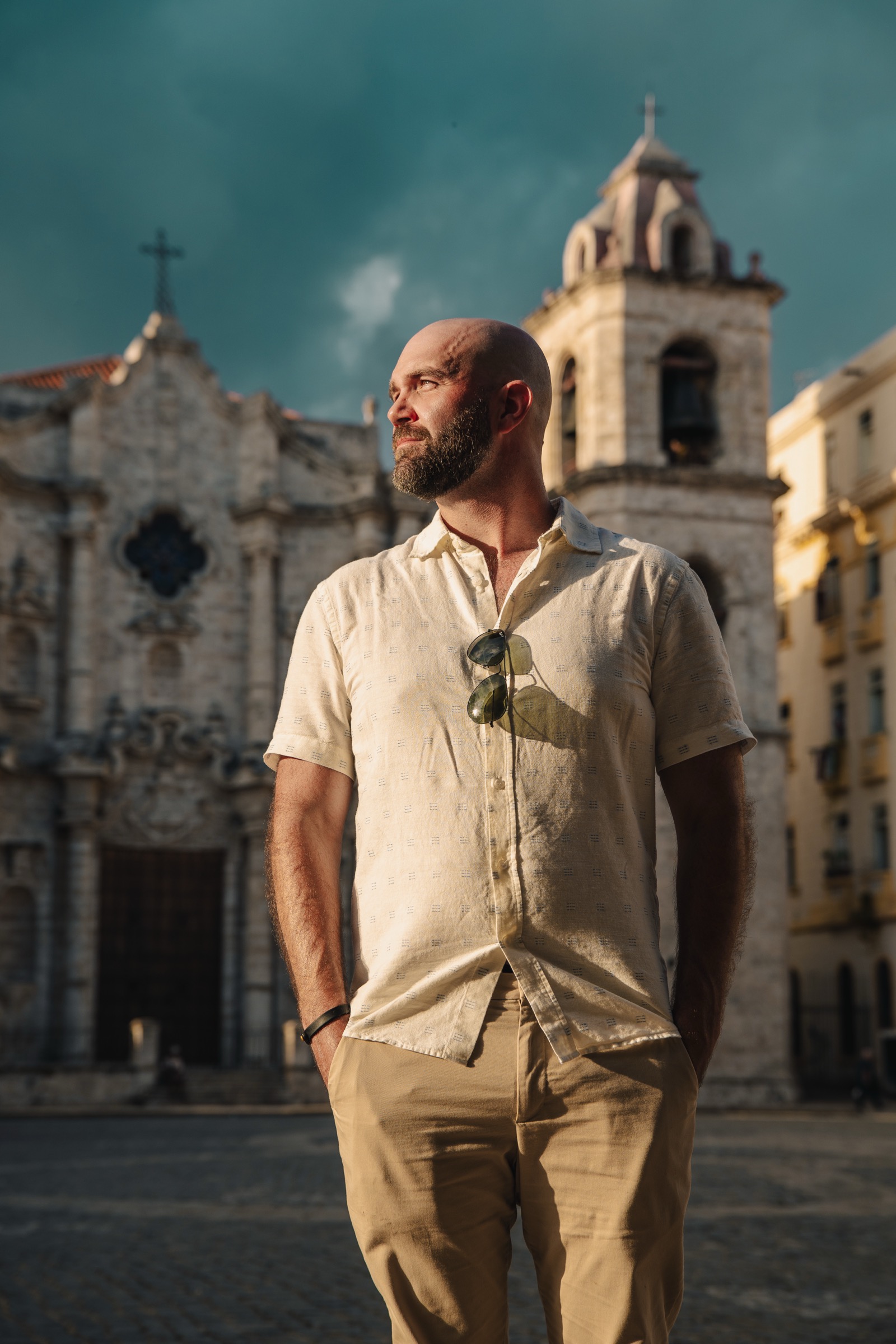
Manuel standing beside a turquoise classic convertible in Old Havana
Manuel, Old Havana — photo by a guest
Chapter 02 · Context, in Skim Form

Cuba in 30 seconds.

References to specific moments are scattered through this book — Hatuey's rebellion, the "Dance of the Millions," the Special Period that explains why every classic car still runs. If any of that needs grounding, the dates below are all you need. If it doesn't, skip the page.

Pre-Columbianc. 4000 BCE

Ciboney and later Taíno peoples settle the island, living from fishing, cassava farming, and the sea.

First Contact1492

Columbus lands at Baracoa and calls it "the most beautiful land human eyes had ever seen."

Colonization1511

Spain begins formal colonization. Hatuey, a Taíno chief, becomes Cuba's first rebel hero.

Foundation1519

Havana is founded on its current site, becoming one of the great ports of the Caribbean.

British Year1762

The British briefly take Havana, hold it for 11 months, and trade it back to Spain for Florida.

Ten Years' War1868–78

Cuba's first major fight for independence, led by Carlos Manuel de Céspedes and the Mambí rebels.

Independence1895–98

The War of Independence. José Martí dies in battle but becomes the symbol of Cuban nationhood.

Republic1902

The Cuban Republic is born — with the Platt Amendment letting the U.S. intervene at will.

Instability1933–58

Years of political turbulence. Fulgencio Batista dominates Cuban politics, by the 1950s running an openly authoritarian regime.

Revolution1959

Fidel Castro enters Havana on January 1. The Cuban Revolution triumphs.

Bay of Pigs1961

The U.S.-backed Bay of Pigs invasion fails in 72 hours.

Missile Crisis1962

The Cuban Missile Crisis brings the world to the brink of nuclear war.

Special Period1991

The Soviet Union collapses, plunging Cuba into acute shortages — the "Special Period."

The Thaw2014–16

A brief thaw with the United States: Obama restores diplomatic relations and visits Havana.

New Era2021

Cuba unifies its dual-currency system. Miguel Díaz-Canel succeeds Raúl Castro — the first non-Castro at the top in over six decades.

TodayToday

A country balancing revolutionary heritage with the demands of modern life, tourism, and a vibrant, generous, resilient people.

Chapter 03 · Pre-Trip

What to sort out before you board.

Cuba rewards a little preparation. Most first-time issues — running out of cash, getting stuck without data, missing a permit — come from assuming Havana works like any other Caribbean destination. It does not, and that is part of its charm.

01 Documents

Visa & entry

Most travelers need a Cuban Tourist Card (also called a Tourist Visa). Buy it through your airline, a travel agency, or the Cuban consulate. Prices vary by origin — expect roughly USD 25 to 100. Travelers flying from the U.S. choose one of the twelve authorized travel categories; "Support for the Cuban People" is the most common for independent travelers.

All visitors must show proof of travel medical insurance valid in Cuba. Most international policies qualify; a basic policy can be purchased on arrival.

02 Cash

Money

Cash is king. Bring euros, Canadian dollars, or pounds sterling — they convert at better rates than USD, which can carry extra penalties. Exchange a small portion at the airport (CADECA) and the rest at your hotel or in town. U.S.-issued cards generally do not work. Plan to pay cash for nearly everything.

A comfortable non-luxury photo-trip budget runs USD 80–150 per day. Bring small denominations (5s, 10s, 20s) — tipping is generous and expected.

03 Connectivity

Data & Wi-Fi

Buy a Cubacel Tur SIM (eSIM or physical) before you arrive — 4G data, minutes, SMS, ready for airport pickup. Wi-Fi is increasingly common in hotels, casas, and parks; sold by the hour via Etecsa Nauta cards. Log off when you finish, or your minutes keep counting.

Download offline maps and music before you land.

04 Light & Weather

When to come

November through April is dry, breezy, and forgiving. December–January bring clearest light and the busiest streets; February–March, slightly thinner crowds.

May–October is hotter and humid with afternoon storms — upside: dramatic skies, emptier postcards. Hurricane season runs June–November, peak risk September.

05 Pack

What to bring

  • Two camera batteries minimum
  • More memory cards than you think
  • A polarizing filter
  • Comfortable walking shoes
  • Solid-colour clothing — pastels & whites pop
  • Wide-brim hat & sunscreen
  • Small daypack (not a fashion bag)
  • Outfit changes for styled shoots
  • Portable power bank
  • Basic medications
Chapter 04 · Itineraries

Routes for every kind of trip.

If this is your first time in Havana and you only have a day or two, you will not see everything in this book — and that is fine. The point is to enjoy the city, not race it. All routes start in Old Havana and move outward.
Walk the loop

Three hours, one solid loop.

Start at Plaza de la Catedral, drift south to Square of the Angel, west to Calle Cuarteles for the galleries, then through Calle Cárdenas, finishing at El Capitolio. Hire a classic car for the last fifteen minutes and ride down Paseo del Prado for the postcard. One solid hour of photographs, one hour of wandering, an hour for a coffee somewhere along the way.

Photographer's note

Whatever your itinerary, plan your shoots around the light. Morning light hits the west side of Plaza de la Catedral and El Capitolio beautifully. Golden hour belongs to the Malecón and Morro Castle. Midday is for indoor venues, museums, and rooftop bars.

Chapter 05 · Photographing Havana

Settings, light & the tricks I learned the hard way.

Havana is one of the most photogenic cities on earth, and you will probably come home with great pictures no matter what. But a handful of simple choices — about light, framing, and how you direct the people in front of your lens — can lift those pictures from "holiday album" to "frame on the wall."

L · I · G · H · T

The most important variable in this city.

The Caribbean sun is direct and unforgiving from 11 AM to 3 PM. Faces get harsh shadows; the iconic pastels wash out. The hours that flatter Havana most are 7–10 AM and 4:30 PM to sunset. Plan your most ambitious shots in those windows.

Look for the side of a street the sun is not hitting directly. The shaded side gives you soft, indirect light bouncing off the colored facades — this is where the city looks most cinematic. If you are stuck in midday, find archways, deep doorways, or shaded plazas. Plaza de la Catedral and Square of the Angel hold pockets of shade well into early afternoon.

Golden hour in Havana is unusually long because the buildings are low; the warm light persists in the narrow streets for a good 45 to 60 minutes. Blue hour — the 20 minutes after sunset — is the best moment for the Malecón and any rooftop with a skyline.

C · O · M · P

Composition habits.

  • Use doorways as natural frames
  • Get low — half the Malecón magic is the road in-frame
  • Leave breathing room; show the wall, the door, the car
  • Find the leading line: colonnades, Prado benches, seawall curve
  • Watch the background more than the subject
P · H · O · N · E

If you're shooting on a phone.

  • Tap to focus, then drag exposure down
  • Long-press to lock focus & exposure before recomposing
  • Turn on the grid lines
  • Avoid digital zoom — walk closer, crop later

Portrait mode is excellent for cigar-smoking grandmothers and close-up environmental portraits. It is bad with classic-car geometry — the algorithm can't tell where the car ends and the person begins.

D · I · R · E · C · T

Directing the people in front of you.

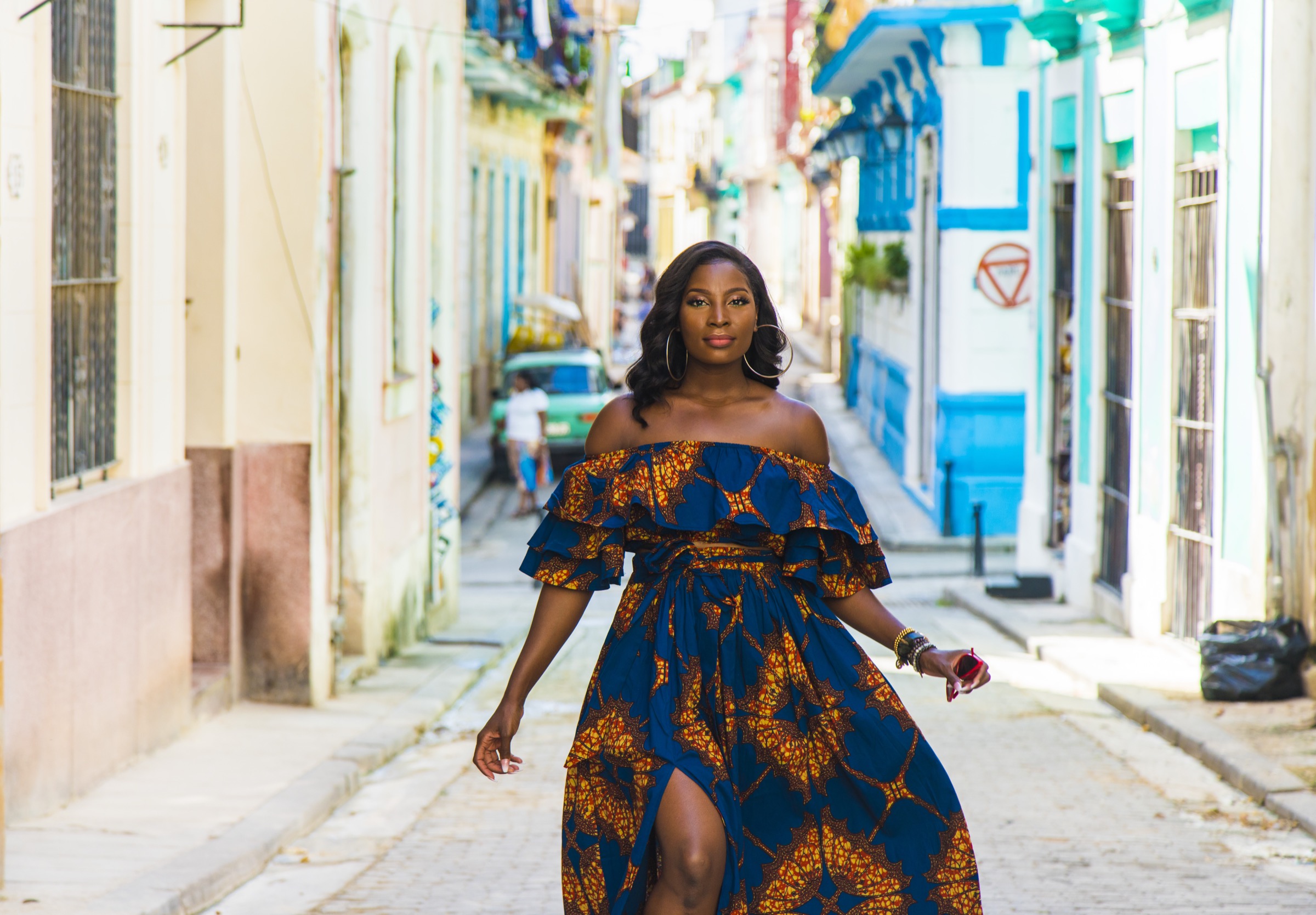
  • Movement reads as candid — walk toward the camera
  • Give them a small action: hat, glance, sip
  • Eyes just past the lens, not into it
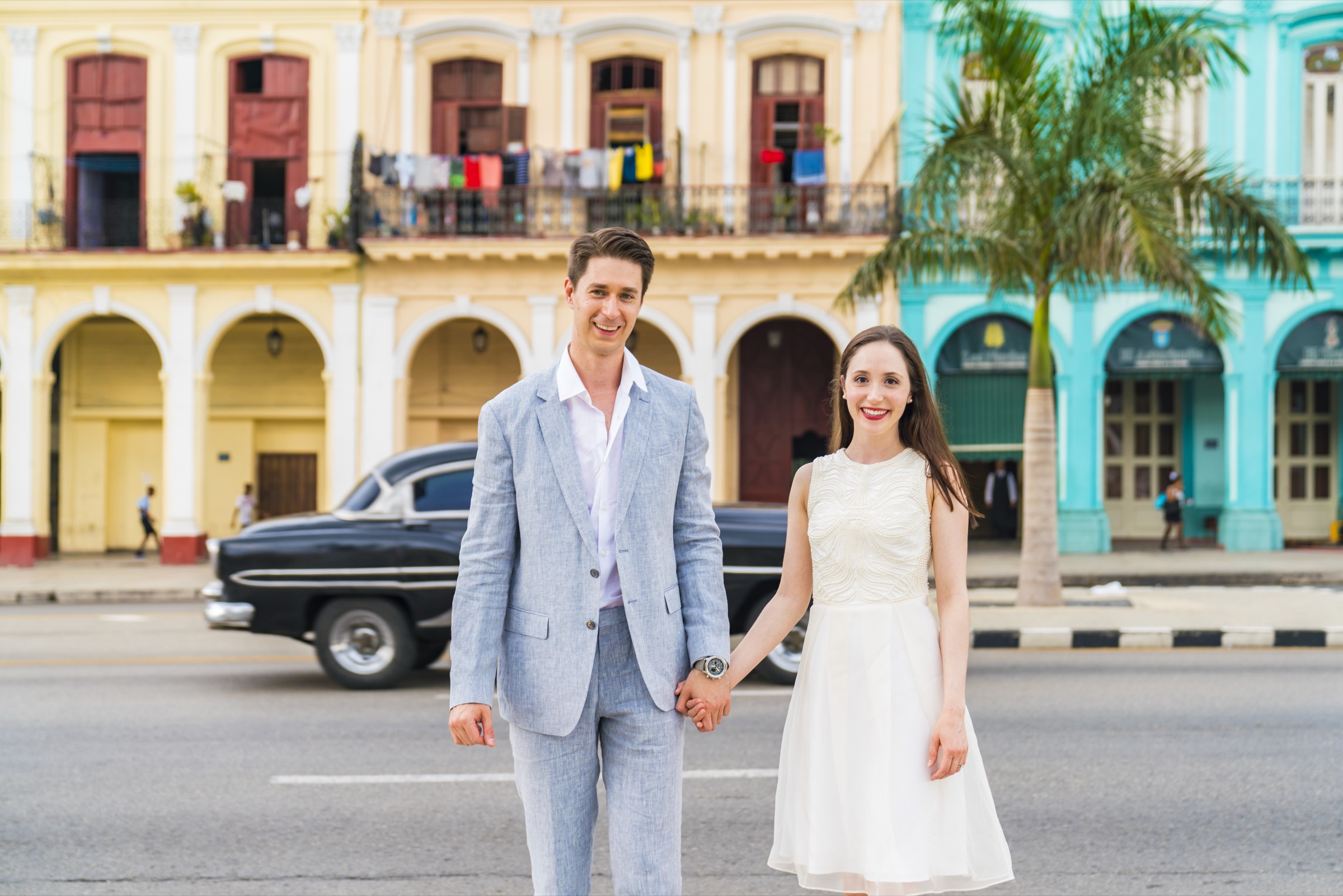
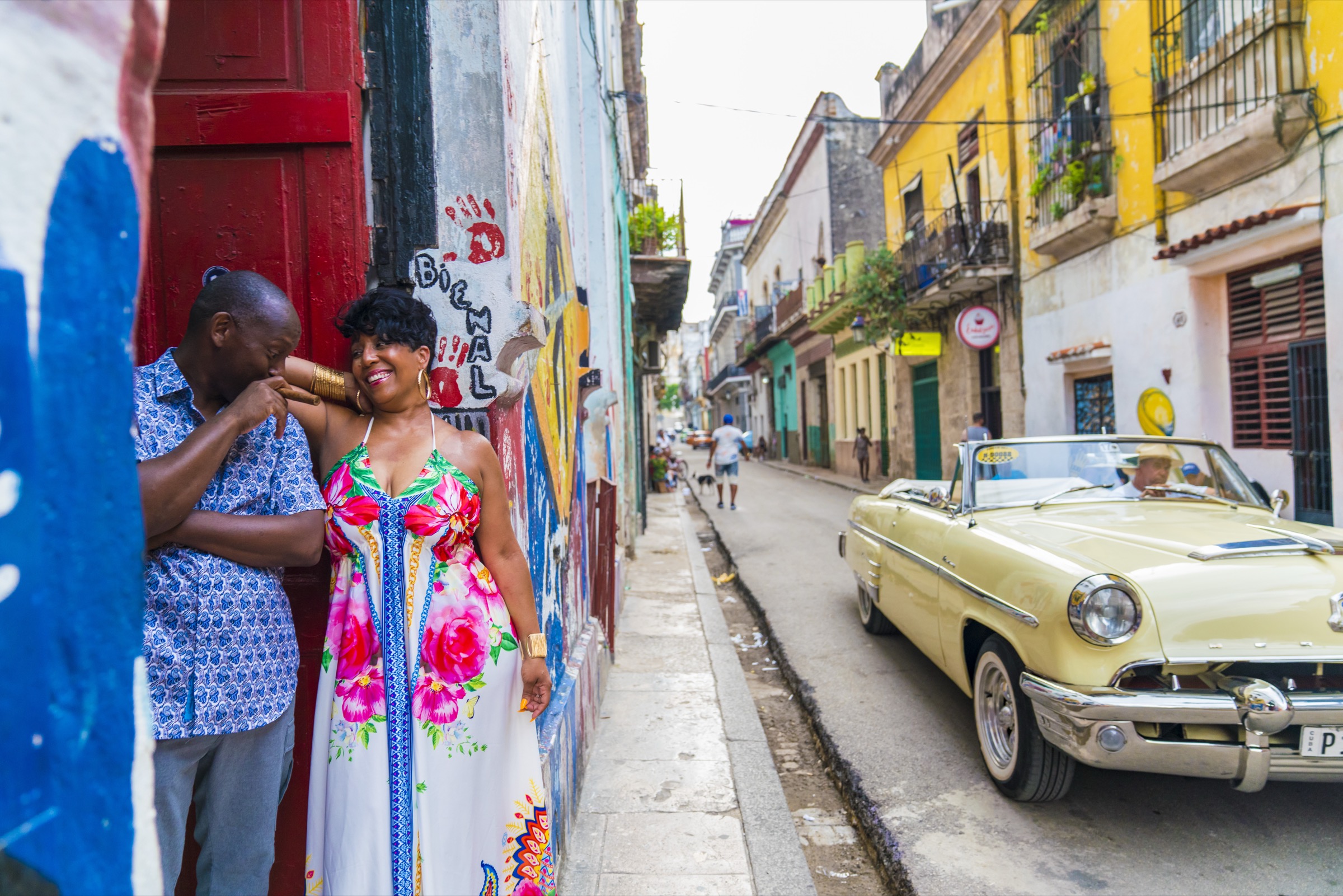
  • For couples, give them something to do together
  • "On three, look at each other and laugh" beats "smile"
C · A · R · S

Classic cars, both ways.

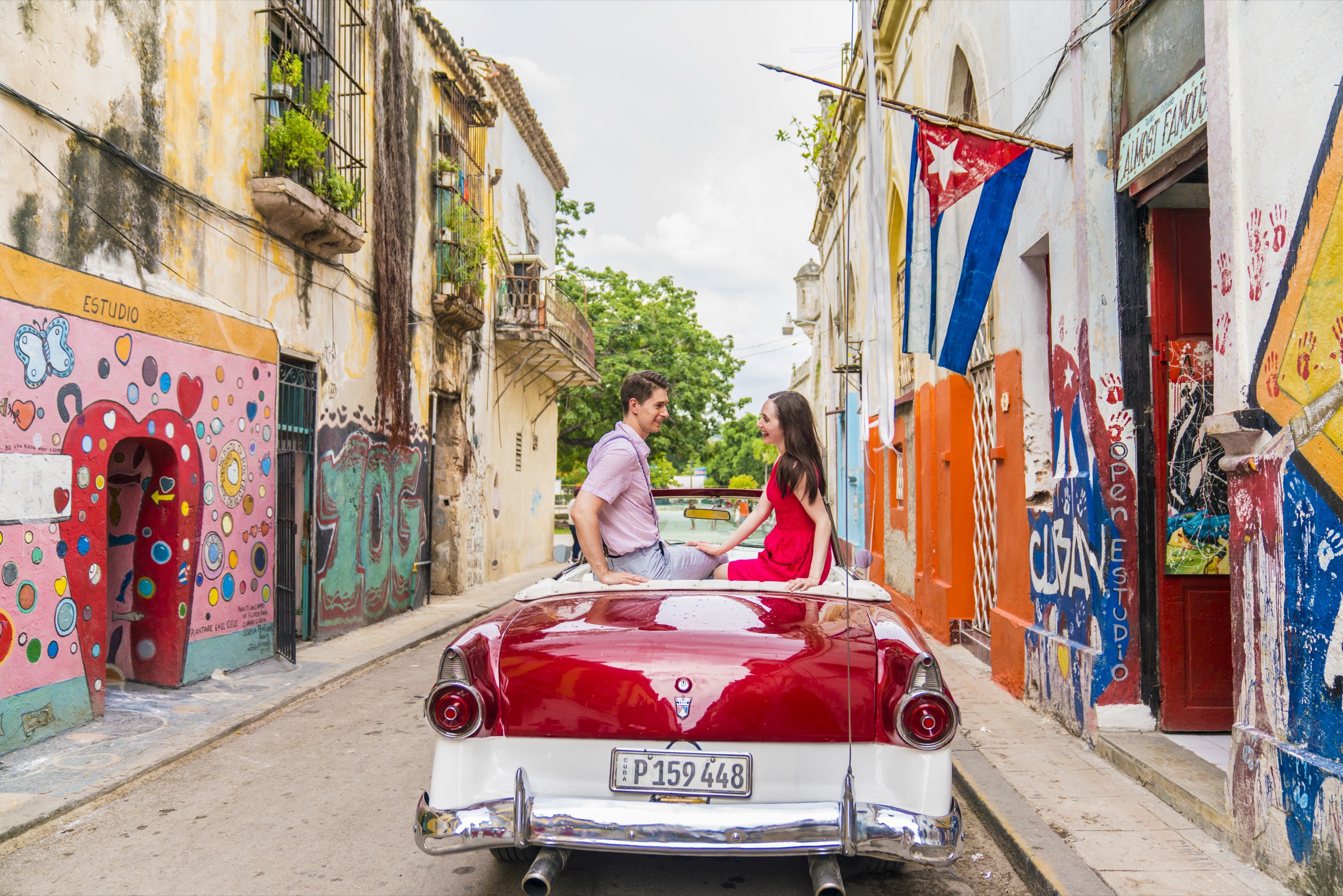
Color match. A turquoise convertible against a pink wall is a cliché for a reason — it works. Pick a car that contrasts with the building behind it, not one that matches it.
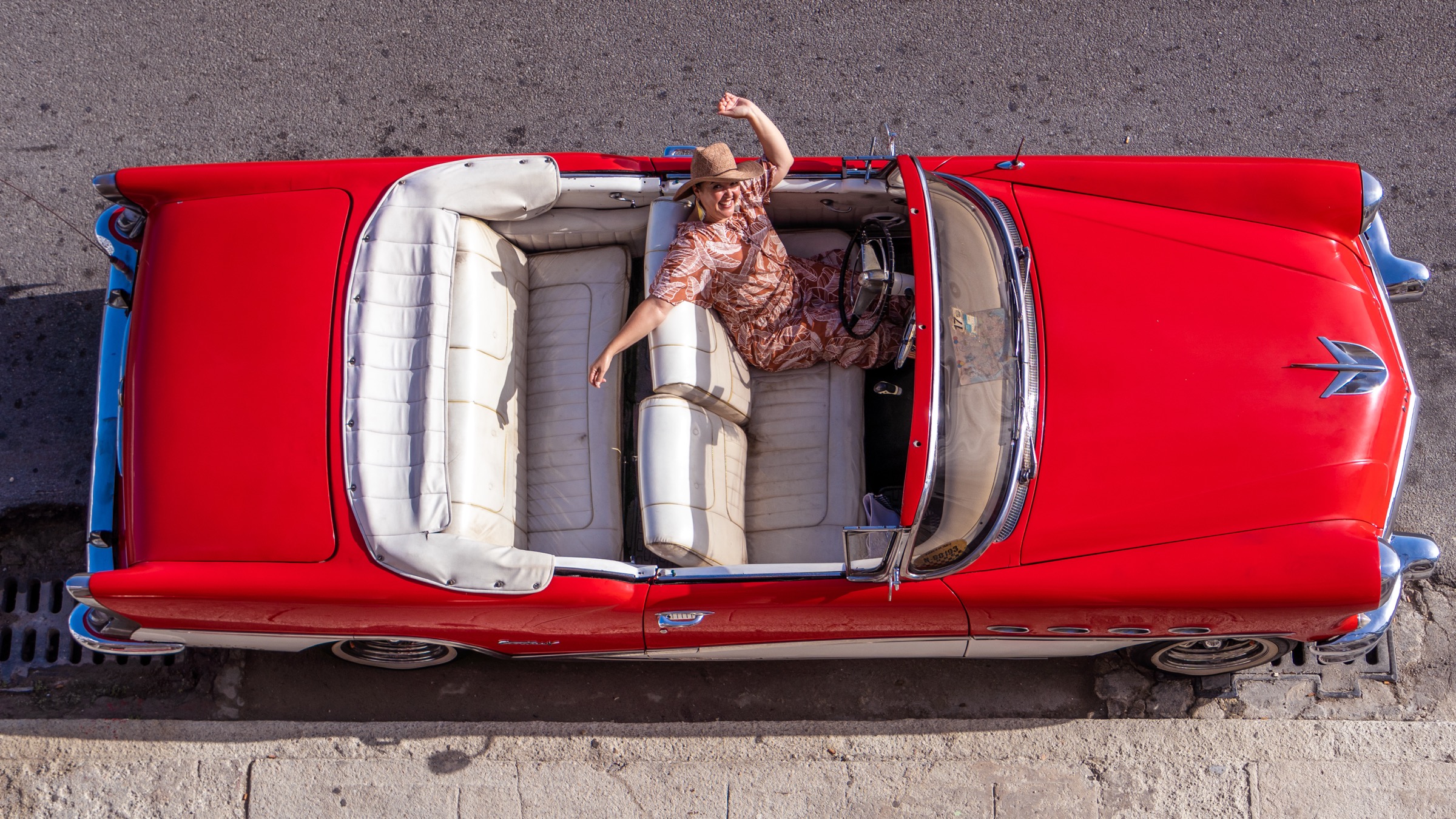
Pose around the car, not in it. Subjects in the back seat usually disappear into shadow. Lean on the hood, sit on the trunk, stand at the open door. The car becomes part of the composition rather than a tin box around the person.
N · I · G · H · T

After sunset, a different city.

  • Cine Cuba's neon kicks on around dusk
  • Malecón at night — wide, embrace silhouettes
  • Rooftops peak 20 min after sunset (La Guarida, Malecón 663)
  • Avoid flash. Push ISO to 3200–6400 instead.

Camera settings, by scene.

If you shoot manually, the defaults below are a sensible starting point for most Havana scenes. Adjust as you go.

Daytime street
Walking shots, busy plazas, classic-car postcards.
ISO 100–200 · f/5.6–8 · 1/250s+
Golden-hour portrait
Skin tones & pastel walls. Slight overexposure keeps faces from going muddy.
ISO 200–400 · f/2.8–4 · 1/200s · +0.3 to +0.7 EV
Classic cars in motion
Panning. Expect to throw away nine shots for every keeper.
ISO 100 · f/8–11 · 1/30–1/60s
Rooftop blue hour
Tripod if you have it. Bracket your shots.
ISO 100–200 · f/8 · 2–6s
Night & neon
Cine Cuba, Malecón after sunset. Embrace the grain.
ISO 1600–3200 · f/2.8+ · 1/60s

Common mistakes I gently correct on most of my tours.

  • Standing in the sun, shooting into the shade. Put your back to the light, subject in the soft area.
  • Asking for "smile" every shot. Five smiling photos look identical. Mix in candid, walking, back-of-head.
  • Centering everything. Rule of thirds exists for a reason.
  • Forgetting the background. A trash bin one meter behind ruins an otherwise good shot.
  • Shooting only at eye level. Crouch. Climb a step. Variation in height does most of the compositional work.
Cuban Soul in Pictures

Or skip the learning curve — bring a photographer.

Everything on this page is what we do for a living. A Cuban Soul session puts a local photographer beside you on these streets — reading the light, directing the frame, carrying the gear — so you can simply be in Havana.

Chapter 06 · The Map

One route through Havana, seventeen photographs.

The pins run in tour order. Hit play tour and watch the route unfold across the city — or click any pin to jump straight to that spot in the guide.

    Chapter 07 · The Tour

    Photo spots, one by one — in the order I would walk them.

    The rest of this guide walks the route on the map. Spots are introduced in the order I would take you on a private tour, starting in the heart of Old Havana and gradually moving outward. The final two — Callejón de Hamel and Fusterlandia — sit slightly outside the standard tourist loop, which is part of why they are worth the trip.

    Take your time. The city is small enough to wander and dense enough to surprise.

    Centro HabanaN° 01 / 16
    N° 01 — Colorful Houses

    Colorful Houses

    The pastel colors of Cuba.

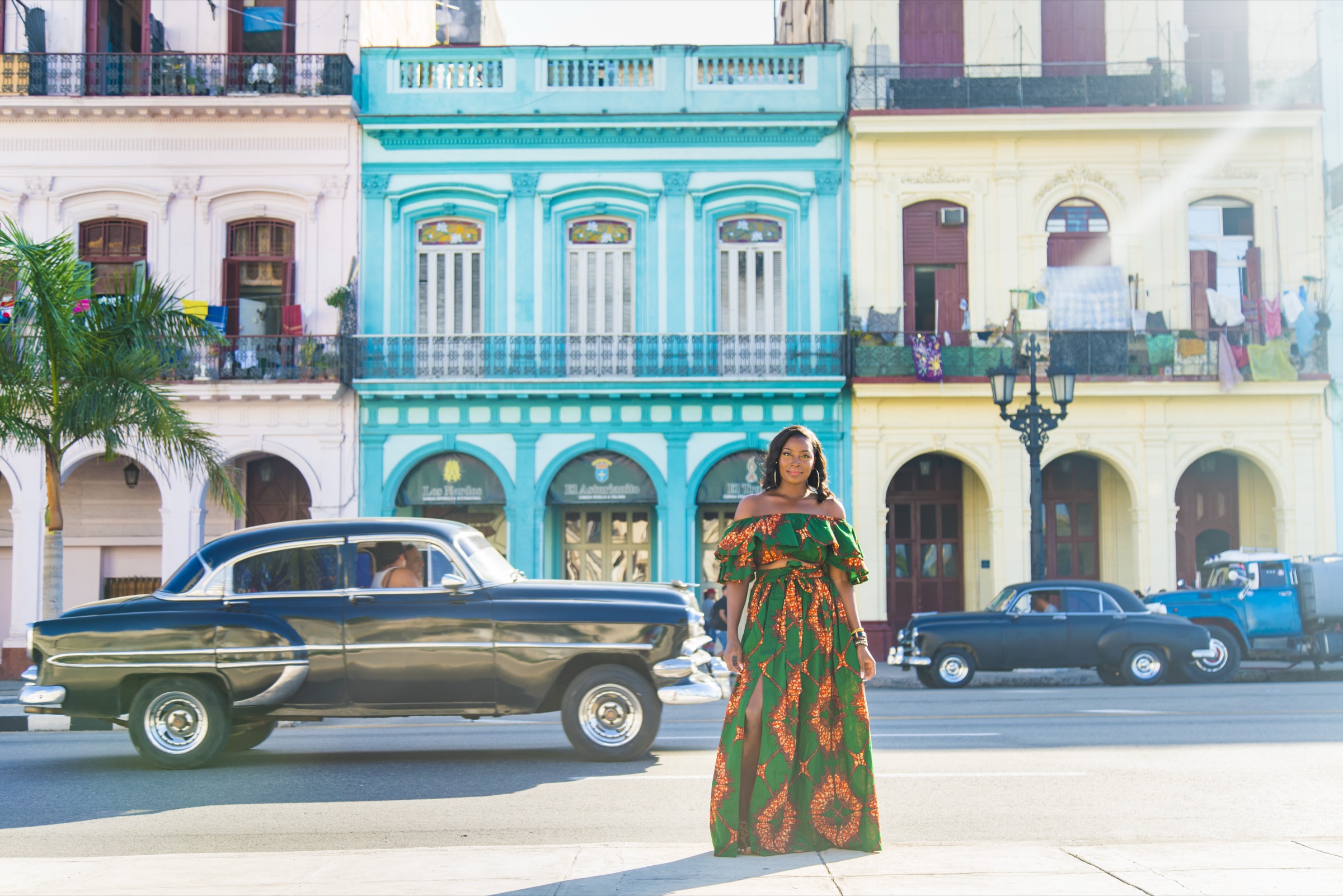
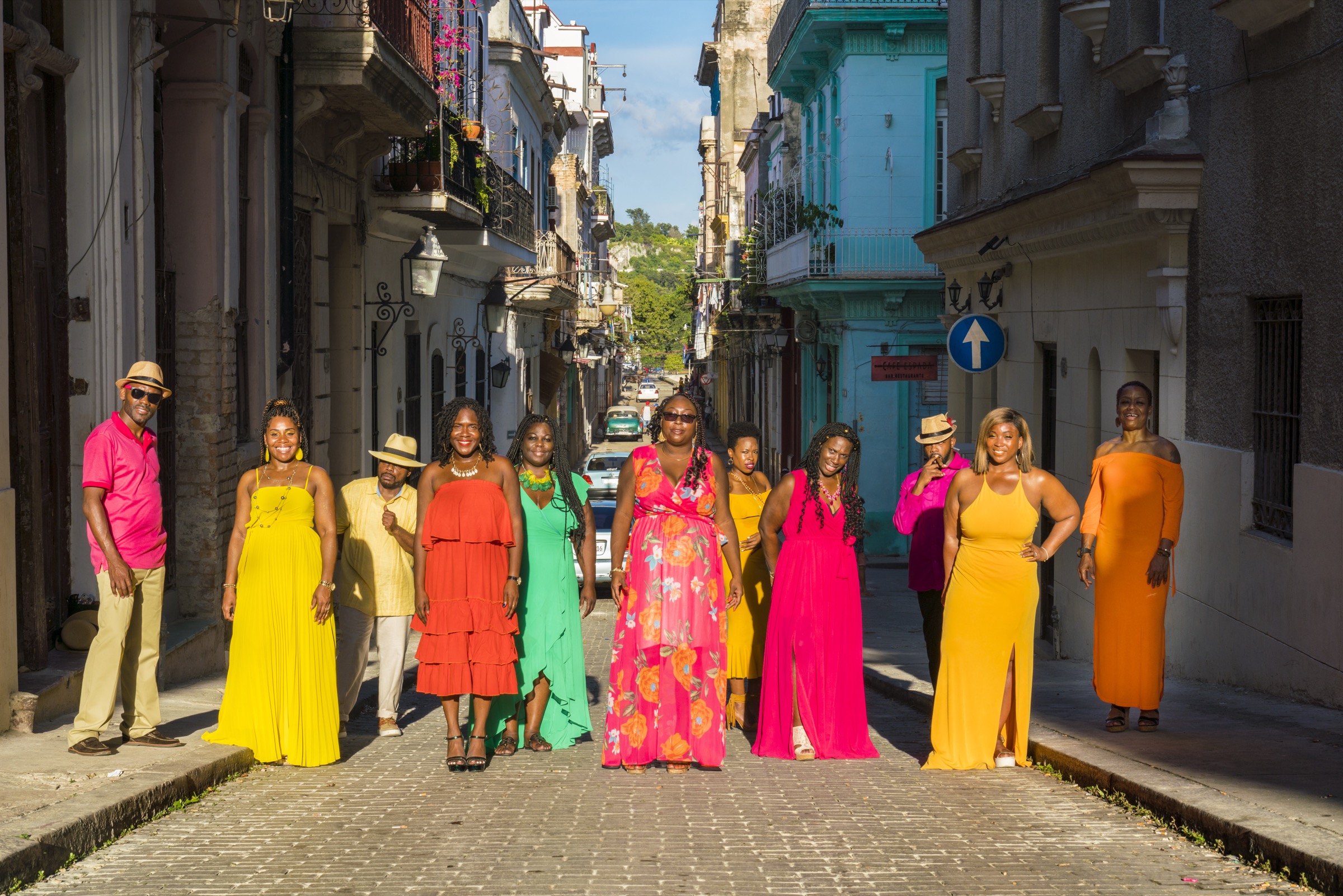
    One of Havana's most iconic photographs, and for a simple reason: pastel midcentury walls capture the essential color story of the city. Add a classic car passing every other minute and you have the perfect amalgam for a flawless Cuban-style picture.

    You have two basic options. Stand on the sidewalk and let the cars roll past behind you — the classic, settled portrait. Or step into the crosswalk to catch a moving frame with the cars approaching, which gives the image more energy. The second option requires a watchful photographer; traffic does not stop politely.
    Photographer's note

    The shot looks best when the wall behind you is one solid color and the car contrasts with it. Wait for the right combination — there is no shortage of cars, and your patience will be rewarded within five minutes.
    Paseo de MartíN° 02 / 16
    N° 02 — El Capitolio

    El Capitolio

    Cuba's kilometer zero.

    Cuba's most architecturally ambitious building. It went up during the prosperous "Dance of the Millions" era following World War I, when an unprecedented influx of sugar wealth poured onto the island. Drawing on the Panthéon, St. Paul's, and the U.S. Capitol, El Capitolio shows off a stunning neoclassical façade with a soaring 91.73-meter dome. Construction began in 1926, employed 5,000 workers, took three years, and cost USD 17 million.

    After a decade-long restoration, the building reopened in 2019 for Havana's 500th anniversary, and it once again stands at the symbolic center of Cuban civic life. The right-hand garden, with its bright red and yellow flowers and the Alicia Alonso theater rising behind it, is the most photogenic corner. The grand 55-step staircase makes a wonderful frame for group photos.

    Photographer's note

    The garden on the right side stays calm and uncrowded even at peak times. It is the easiest place to get a clean, quiet portrait in the middle of the busiest part of Havana.

    Paseo del PradoN° 03 / 16
    N° 03 — Abbey Road, Cuban Version

    Abbey Road, Cuban Version

    Make real life part of the set.

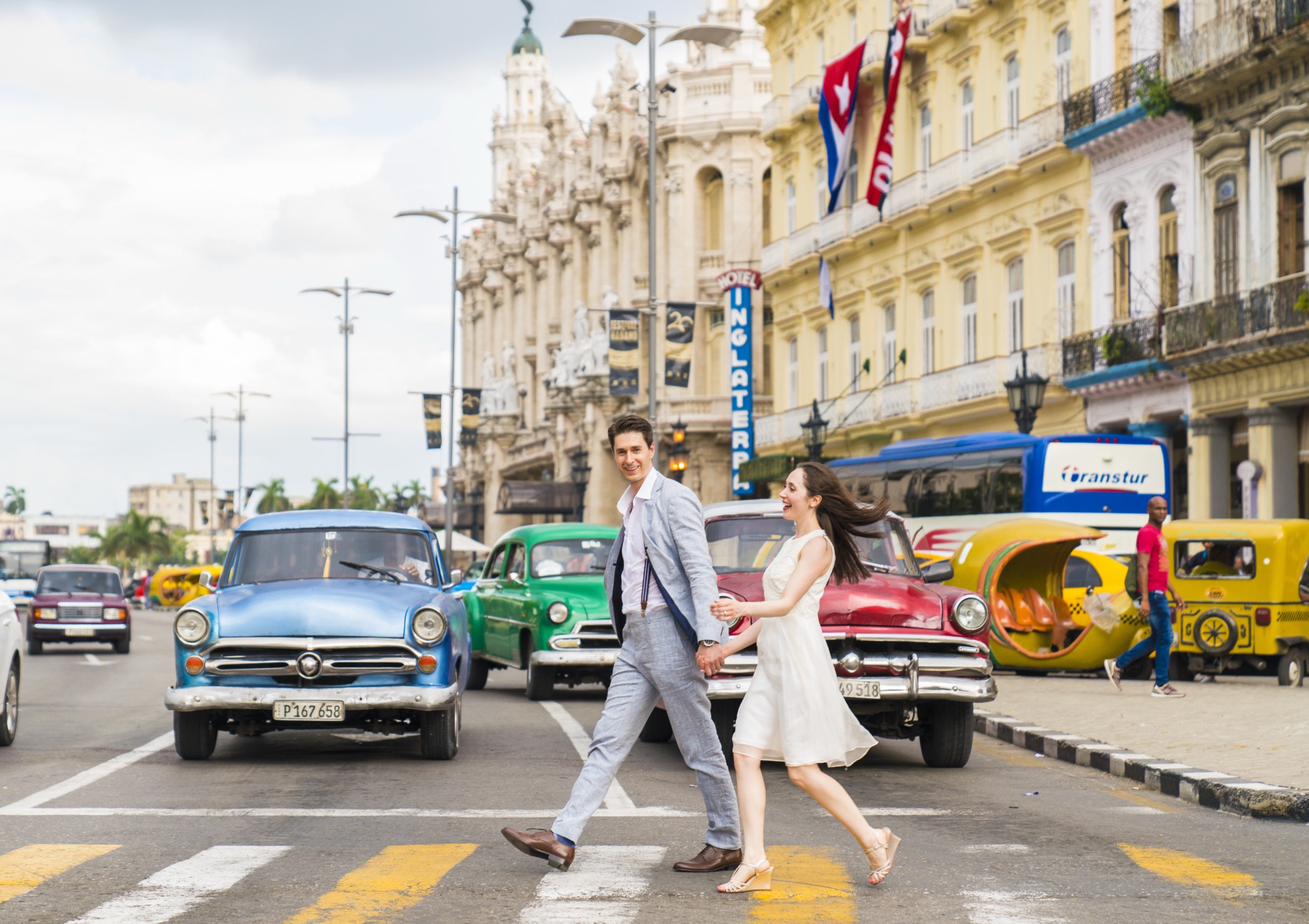
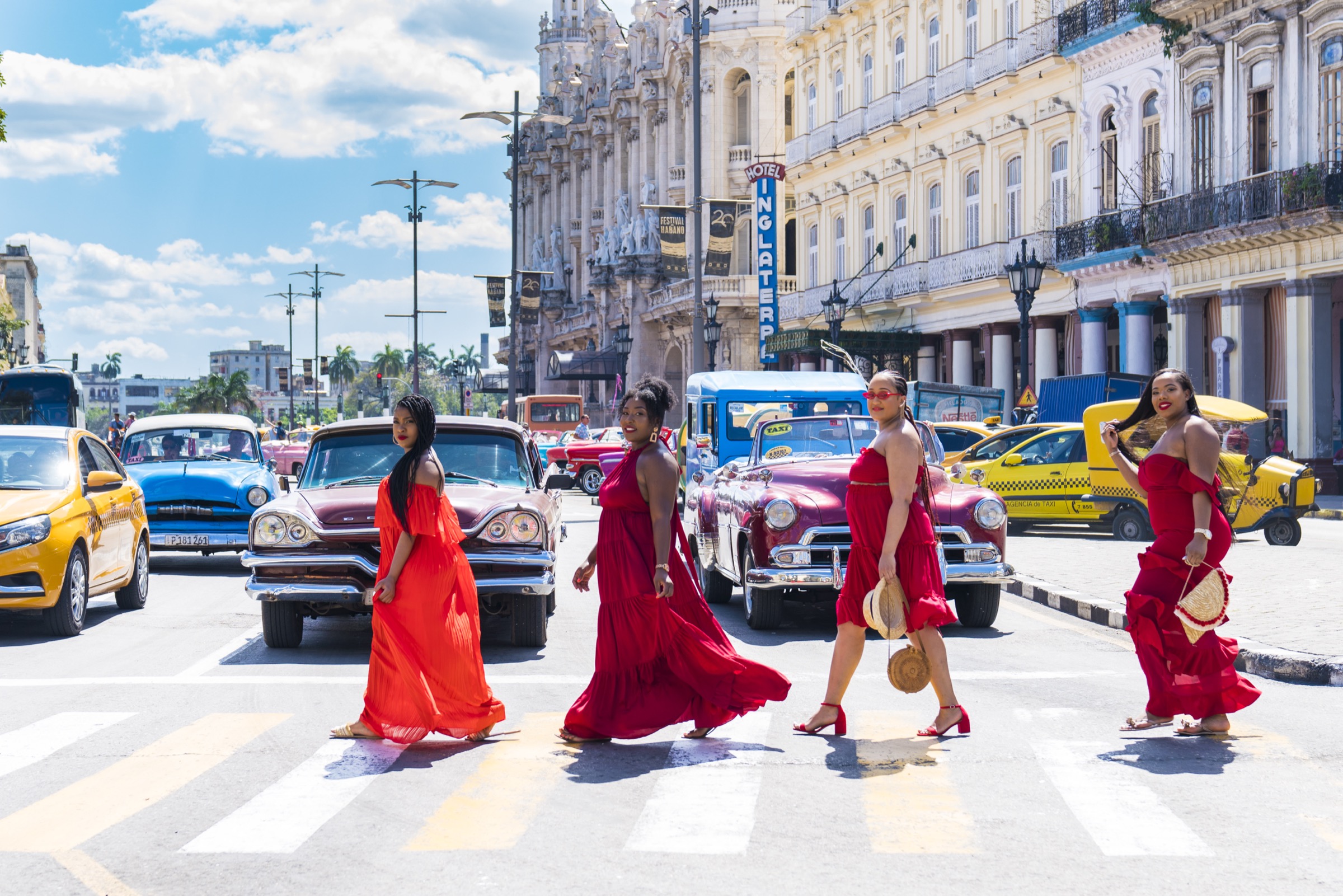
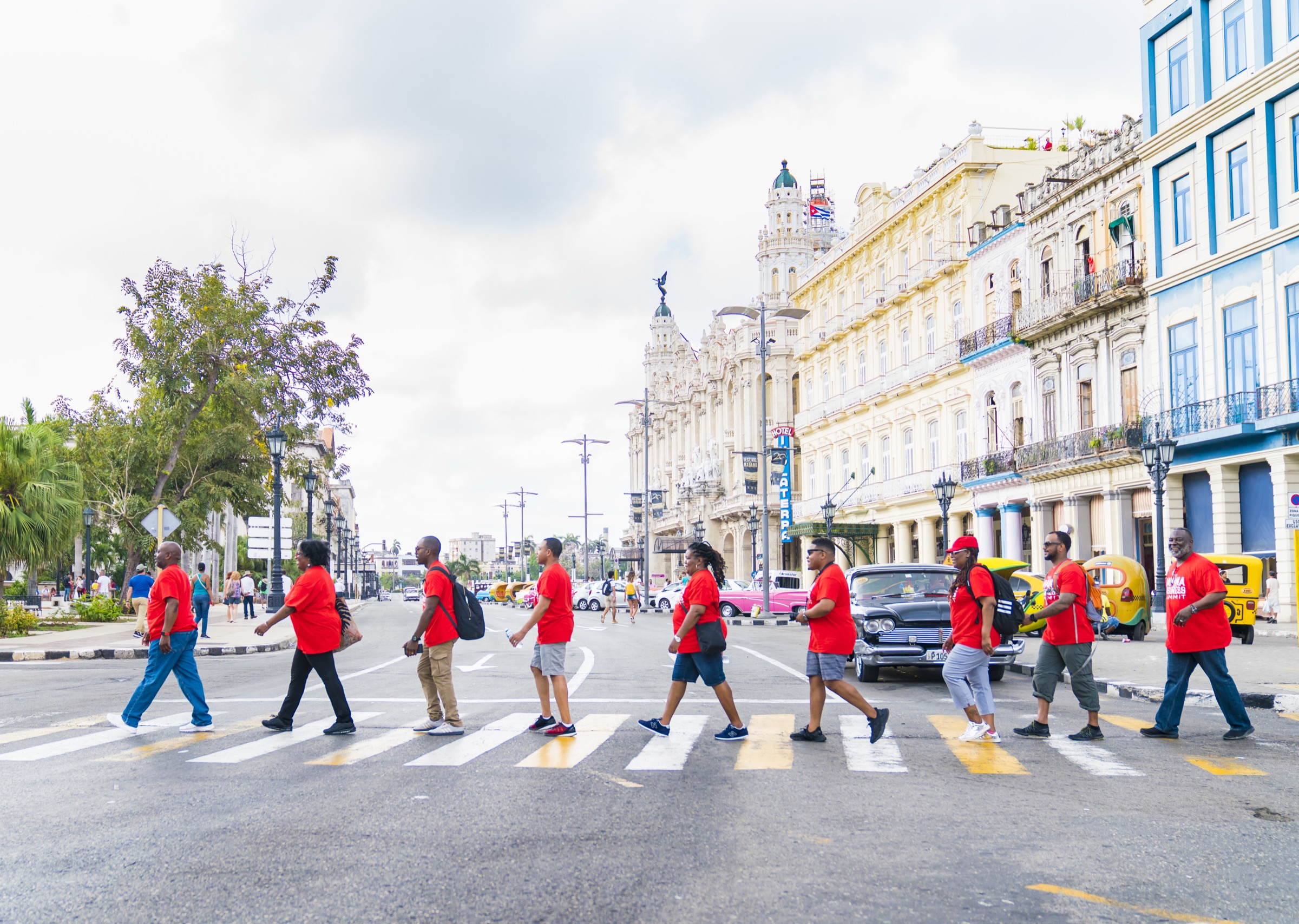
    This is a quietly clever spot that most people walk straight past. The traffic lights along this stretch give you just the right window to cross the street, and behind you the lights stage a perfect line-up of classic cars. The result is a Cuban echo of the famous Abbey Road photograph — but with chrome bumpers instead of a London cab.

    Take your time and wait for the combination of cars you want; another set will be along inside a minute. The street has four crossings, each offering a slightly different background, so you can stage variations without moving more than a block.

    Photographer's note

    Cross one at a time rather than side by side — the camera reads it as a proper procession that way. And the obvious but essential reminder: only cross when the lights are red for the cars and green for pedestrians. The cars in Havana are pretty, but they are not braking for your photoshoot.

    Paseo de MartíN° 04 / 16
    N° 04 — Paseo del Prado

    Paseo del Prado

    The fashion runway of Havana.

    This grand boulevard, dating to the early 18th century, runs along the axis between colonial Habana Vieja to the east and the republican era to the west. In the late 1920s, the Prado received its famous bronze lions, lamp-posts, and marble benches. Its official name is Paseo de Martí; everyone calls it El Prado.

    In May 2016, El Prado witnessed one of the most glamorous moments in recent Cuban history. Karl Lagerfeld and Chanel staged the "Cruise" fashion show along this stretch — and, by remarkable coincidence, while the show unfolded the Carnival Adonia was sailing out of Havana harbor: the first U.S. cruise ship to leave Cuba in nearly forty years. For one strange, golden afternoon, a Paris haute-couture house and an American ocean liner shared the same stretch of Havana.

    For photographs, the marble benches are the easiest win. Frame your subject seated, with the wide variety of architectural styles across the boulevard behind.

    Centro HabanaN° 05 / 16
    N° 05 — Down the Prado Street

    Down the Prado Street

    Looking for the motion effect.

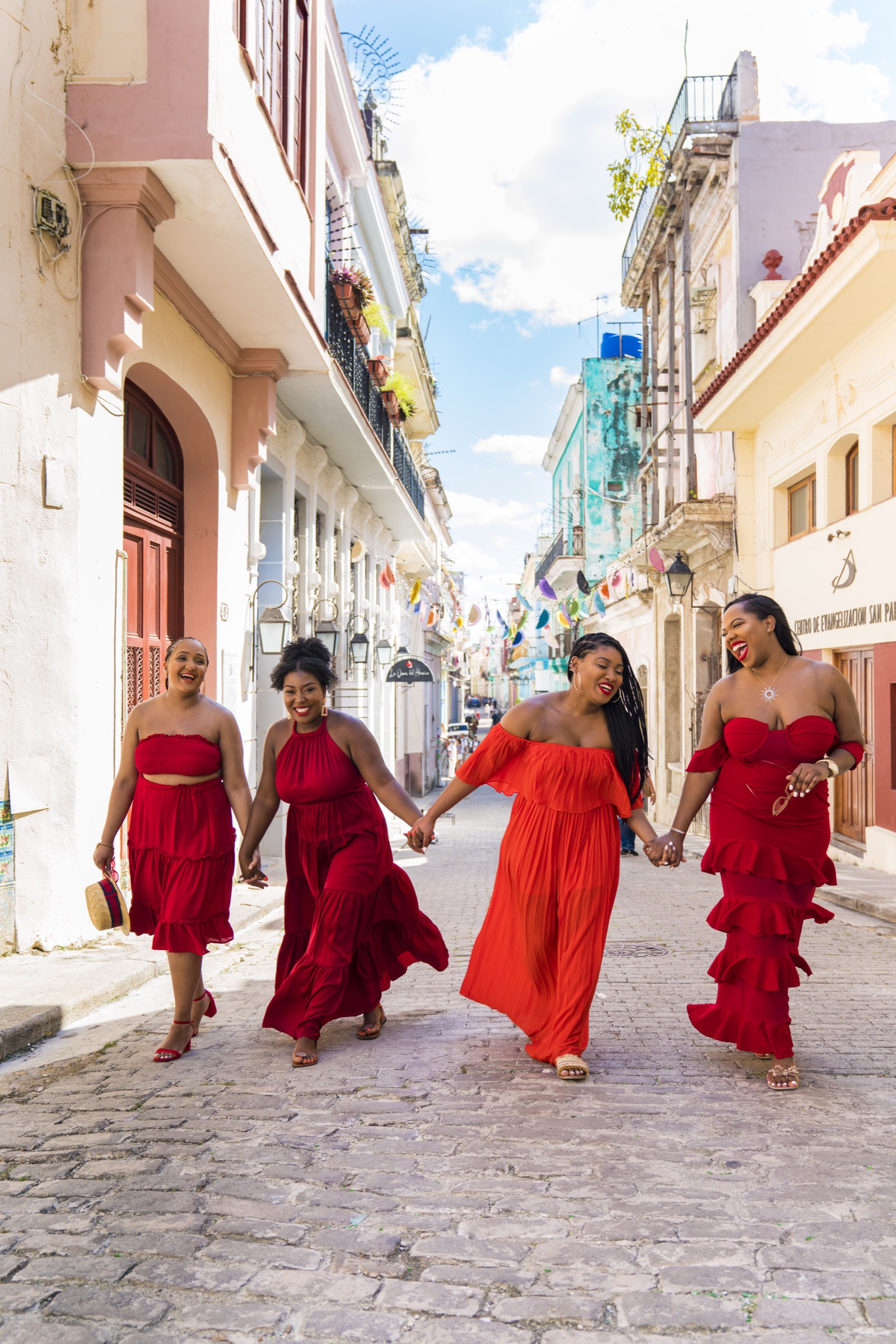
    I admit it: I am a fan of being in the middle of the street. Motion scenes are simply more fun than static portraits, and there is no better place to chase one than the busy Paseo del Prado. In the morning, the sun reflects off the windows of the Packard Hotel at the end of the street, leaving a small, precise pool of light on the road as though we were working with a reflector. The depth of field down the boulevard is gorgeous, and the majestic Capitol in the distance is the icing on the cake.

    Photographer's note

    This shot only works if you are absolutely sure the cars are at a safe distance. Have your photographer keep an eye up the boulevard and only step into the road when the lane is empty.

    Old HavanaN° 06 / 16
    N° 06 — Doors of Havana

    Doors of Havana

    Aged, yet funky — like Cuba itself.

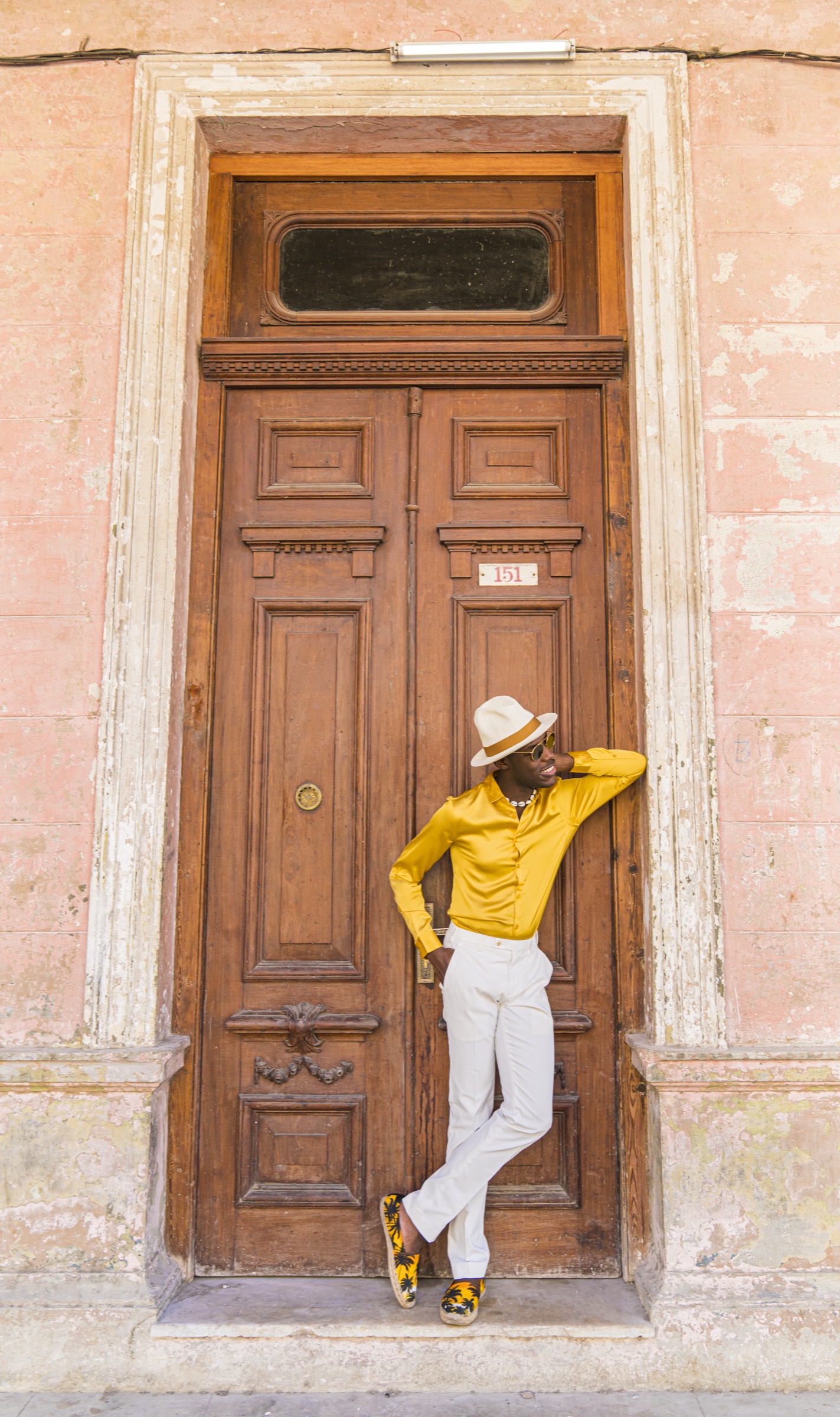
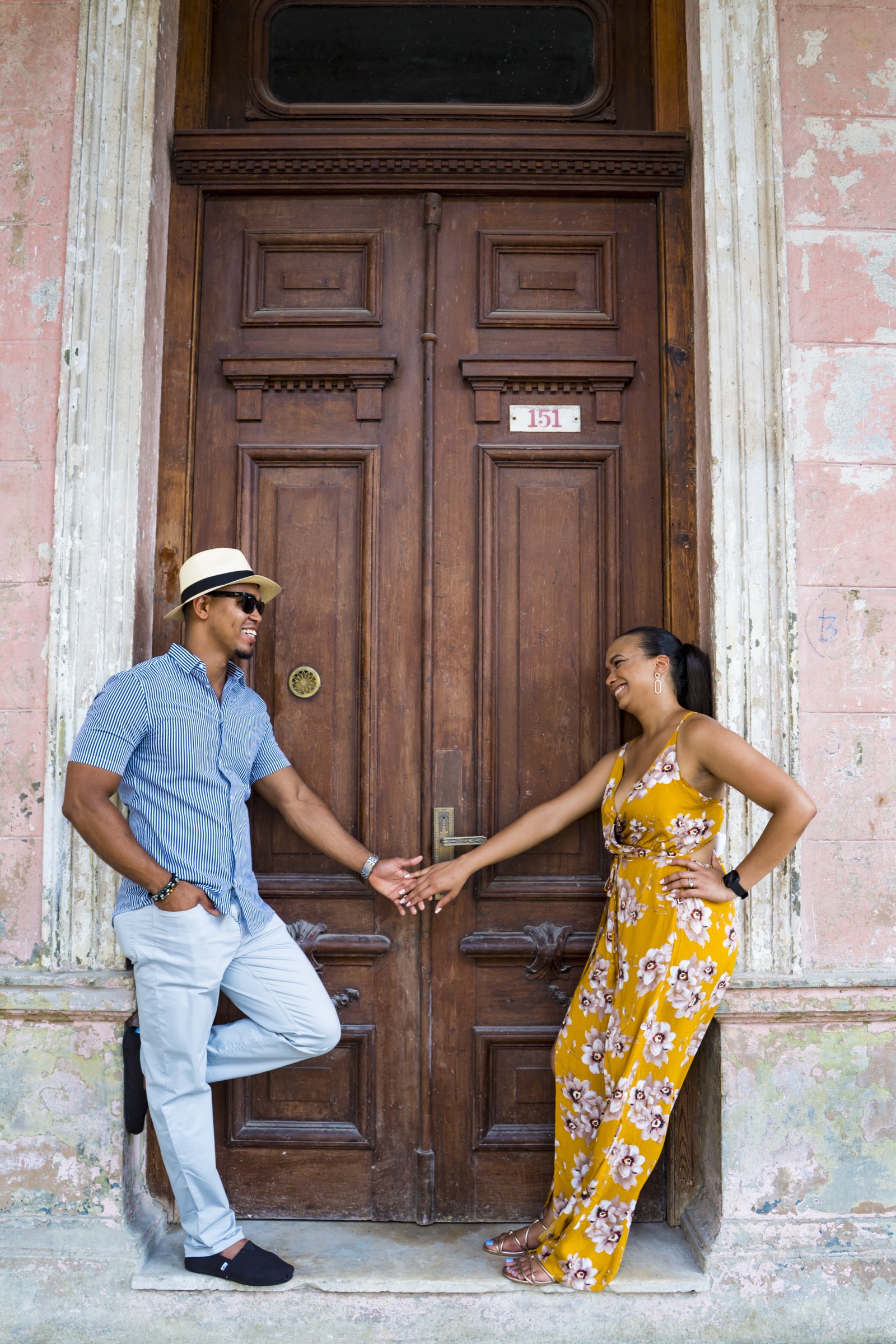
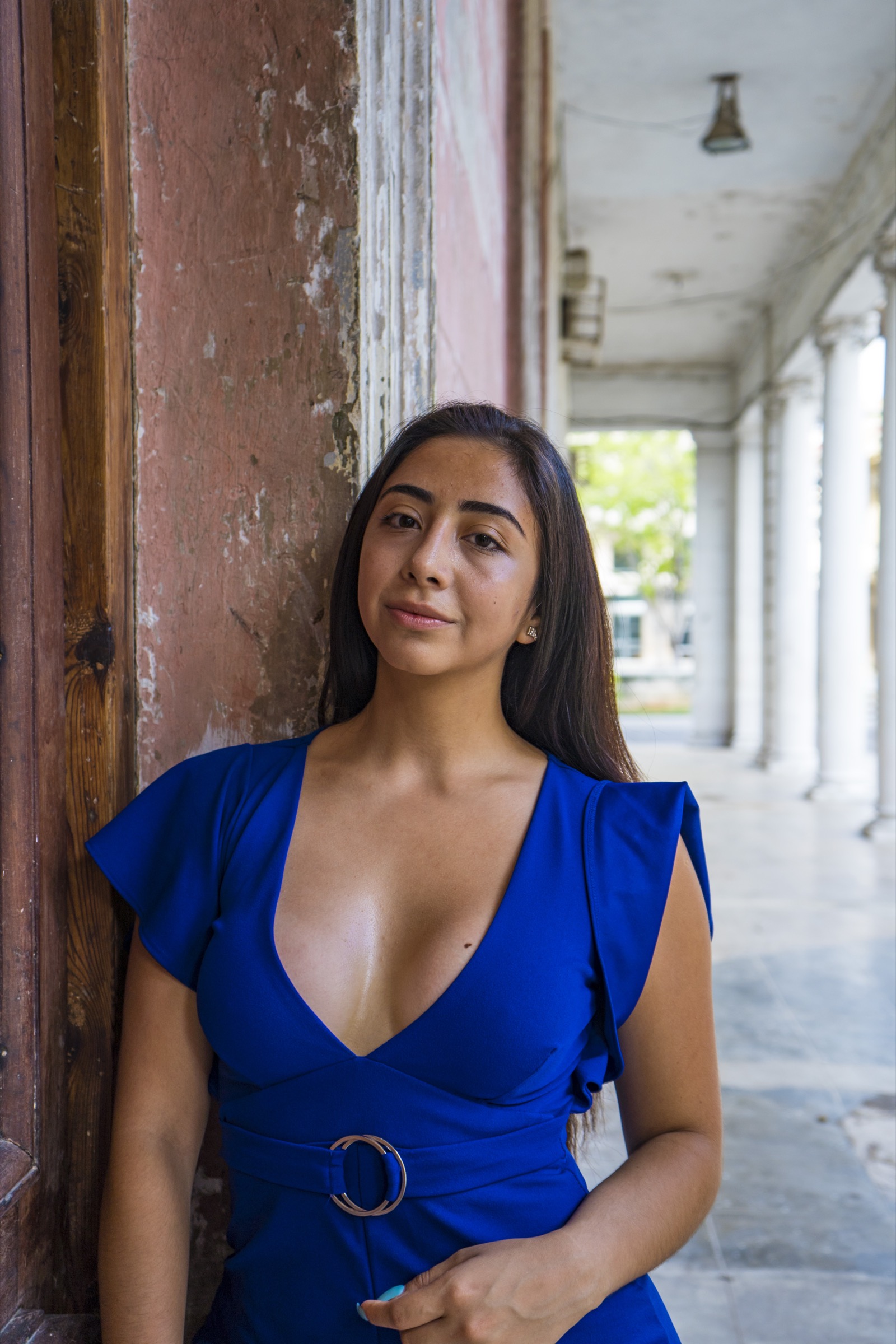
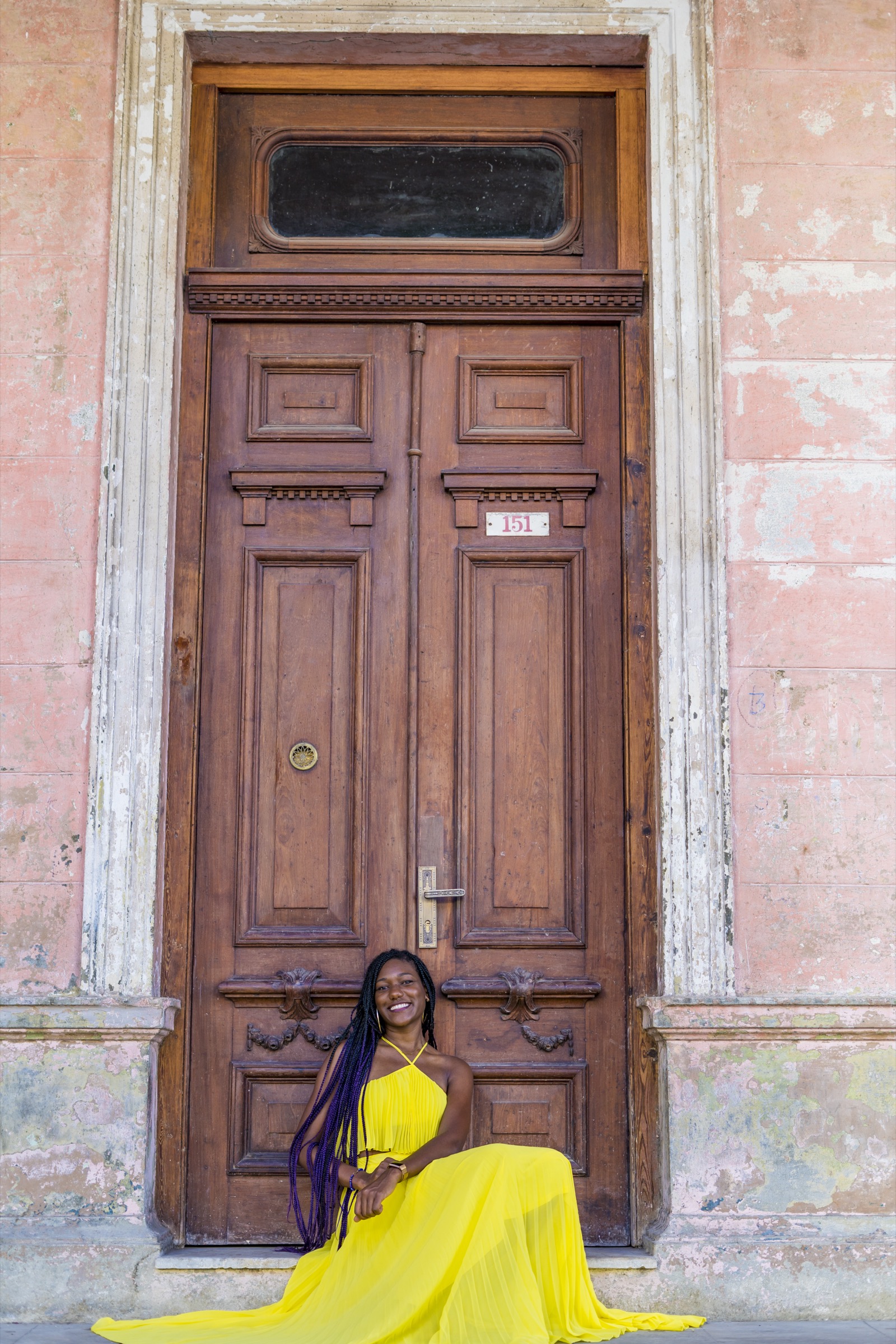
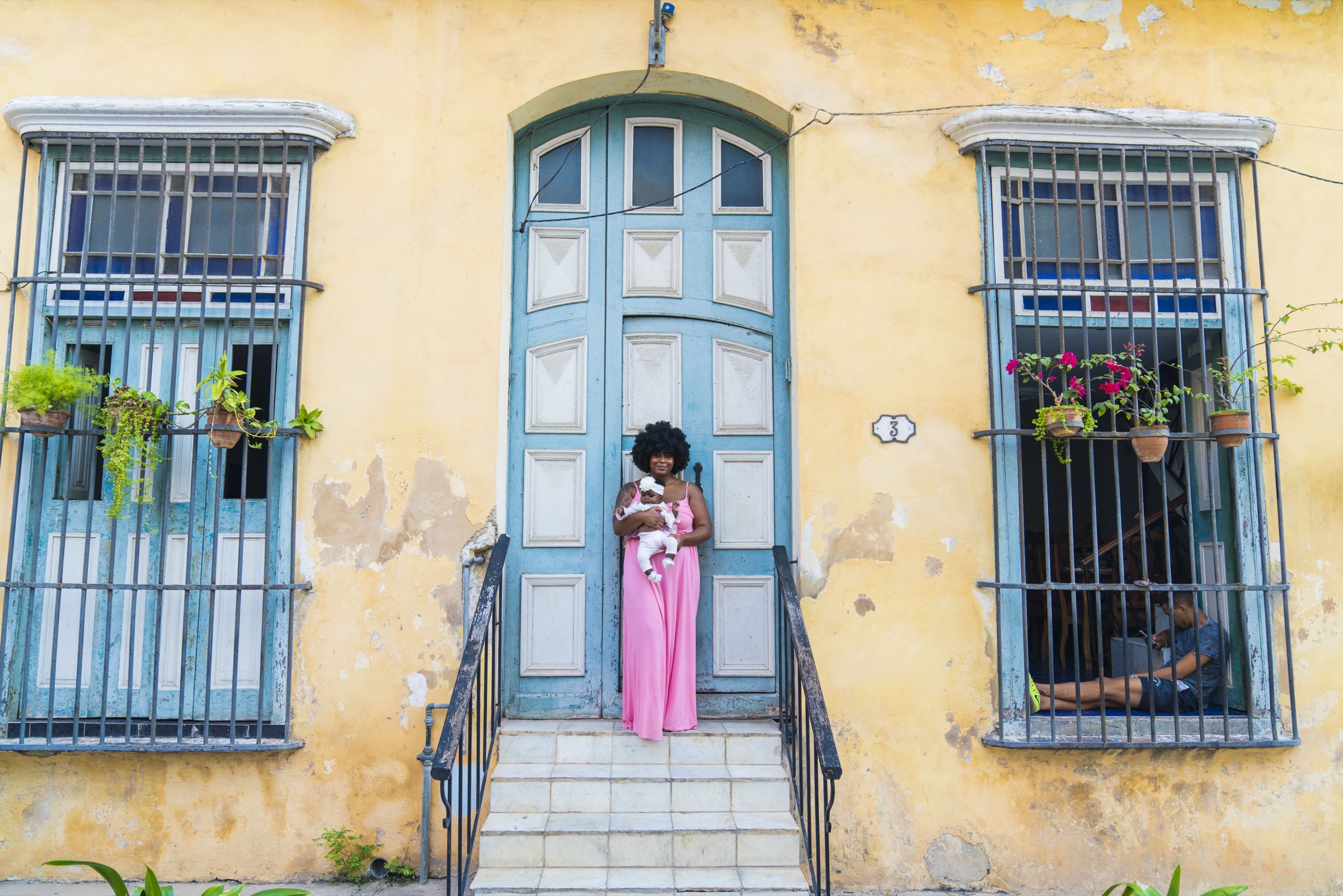
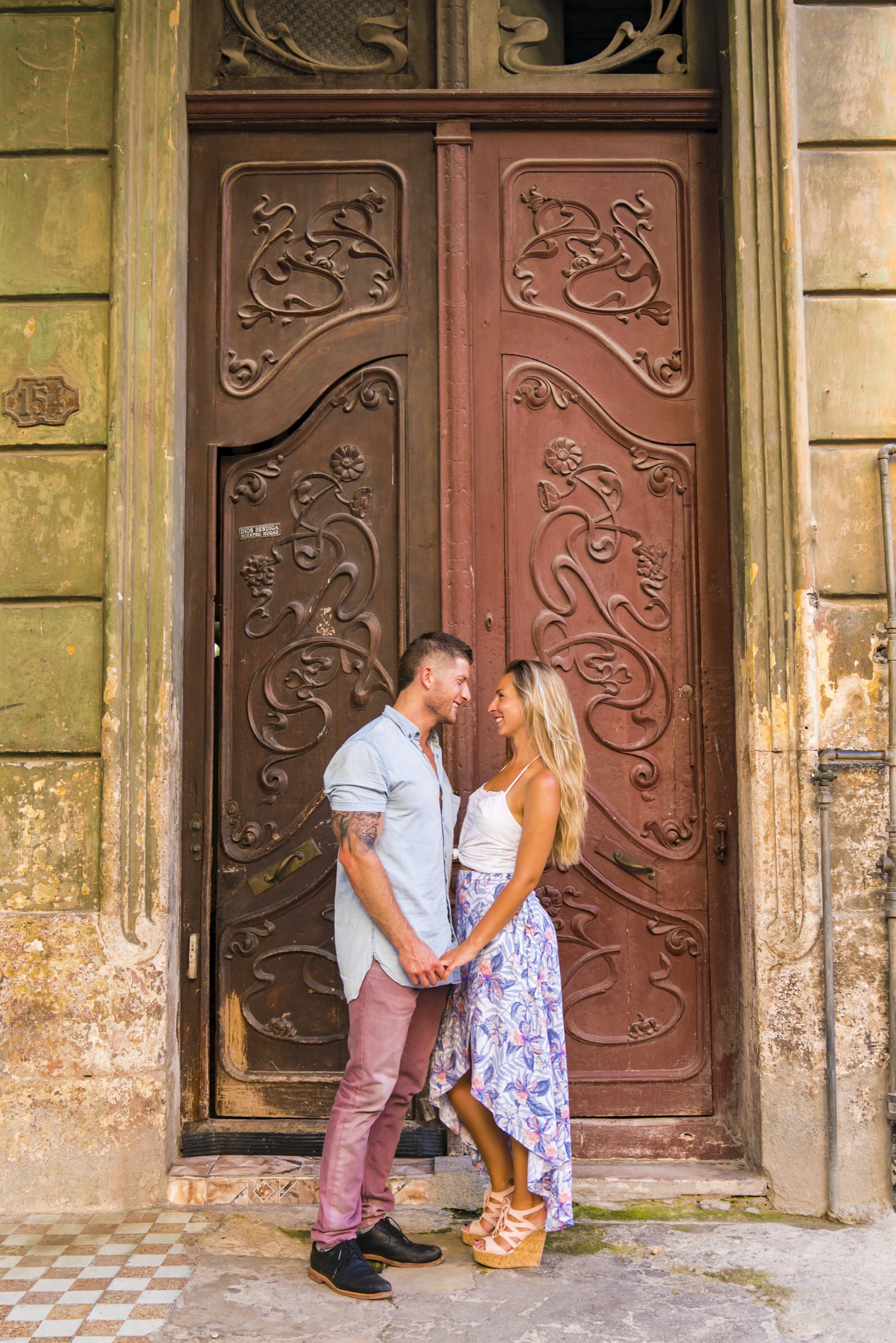
    These pieces of art-in-wood have always fascinated me. Cuba has some of the most eclectic doors and window frames in the world: ornate metalwork, mixed-material entryways, hand-carved panels worn smooth by a century of weather. Each facade tells its own story, and every door reads as an invitation into a longer tale of resilience.

    You will pass dozens of beautiful ones on your route, but this one has always been my favorite. Aged, yet funky — like Cuba itself, isn't it?

    Old HavanaN° 07 / 16
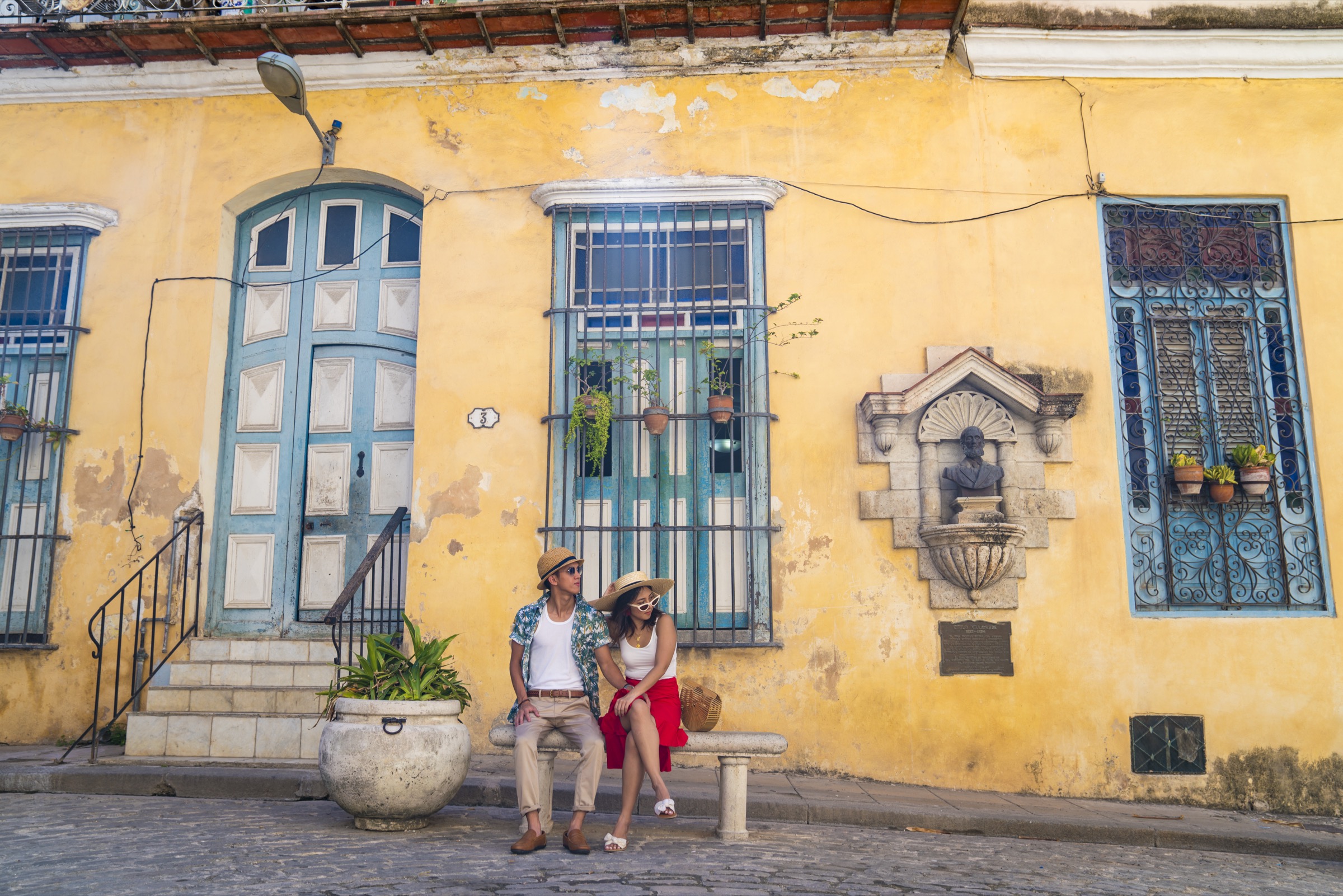
    N° 07 — Square of the Angel

    Square of the Angel

    A plaza taken out of a movie scene.

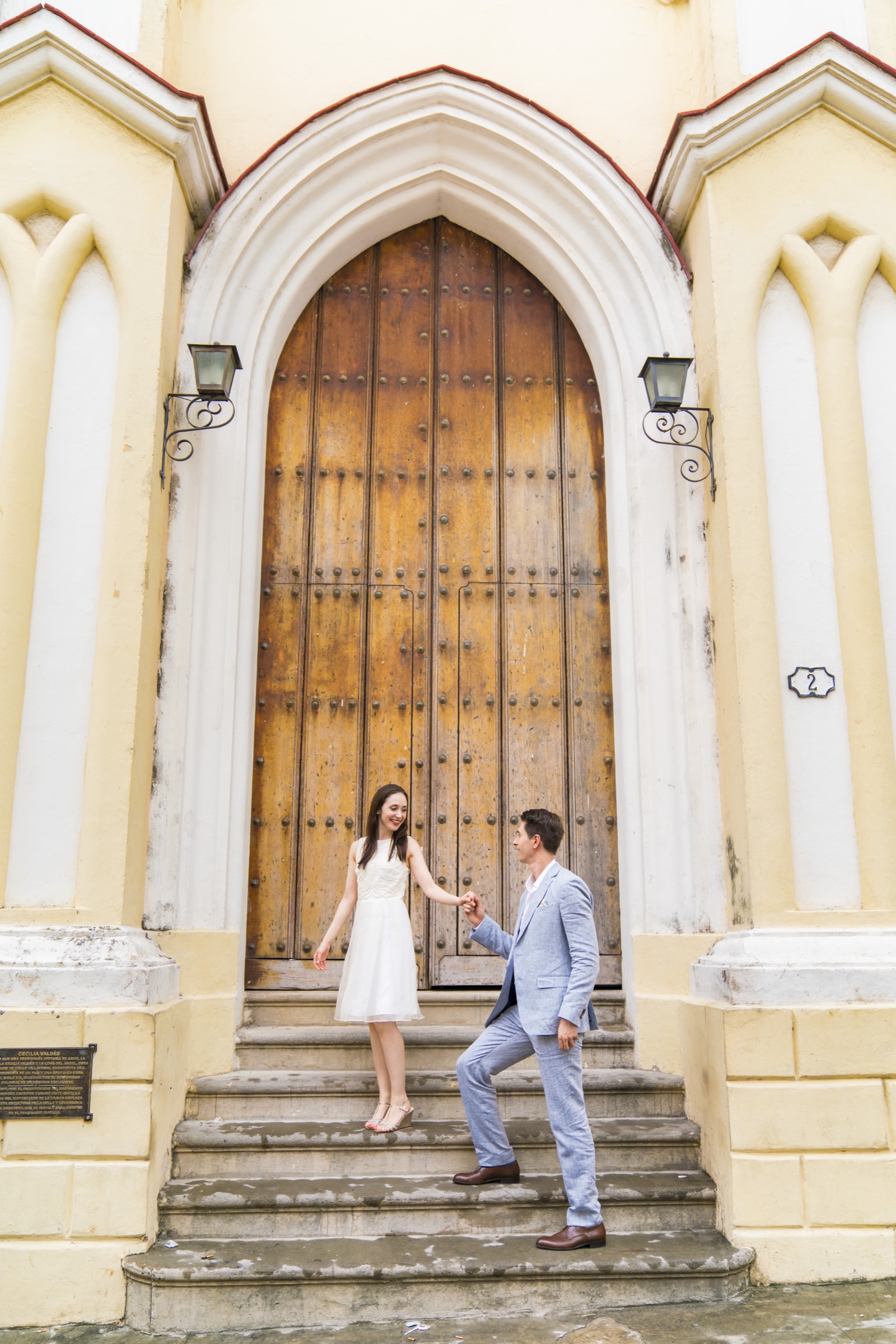
    Tucked among the crowds, classic cars, and ever-present music of Old Havana is a small corner that looks like it walked off the pages of a romance novel. This lovely, intimate place sits behind the Iglesia del Santo Ángel Custodio — the church where some of the most notable Cubans, including José Martí, were baptized.

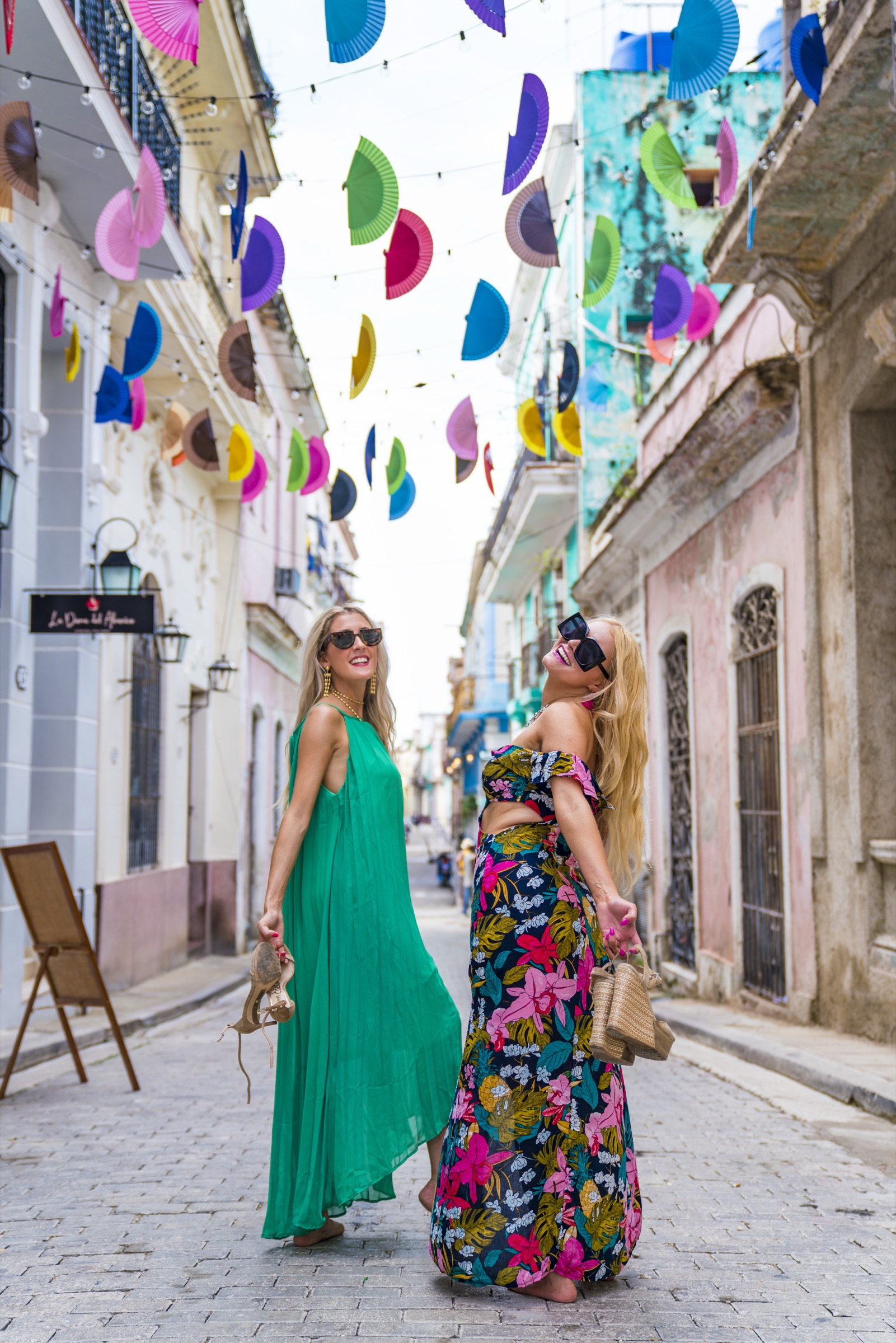
    Friends, this plaza is easily the most Instagrammable square meter in town. It has two very different small hills, each with its own astonishing background; a church that looks like a fairy tale; and a yellow-painted wall that could pass for a 1950s Hollywood set. Help yourselves to all of it.

    Where the light hits

    Late in the afternoon, the sunlight turns into a soft orange that paints this whole square beautifully. That is the moment to be here.

    Two angles I love

    The yellow wall, with the wooden benches, pastel-colored doors and windows, and cobbled street, makes a perfect frame. From the church side, the small hill toward Compostela Street reveals a layered background that lets you shoot like the subject is standing inside a stage set. Try both.

    Calle CuartelesN° 08 / 16
    N° 08 — Calle Cuarteles Art Galleries

    Calle Cuarteles Galleries

    "Almost Famous."

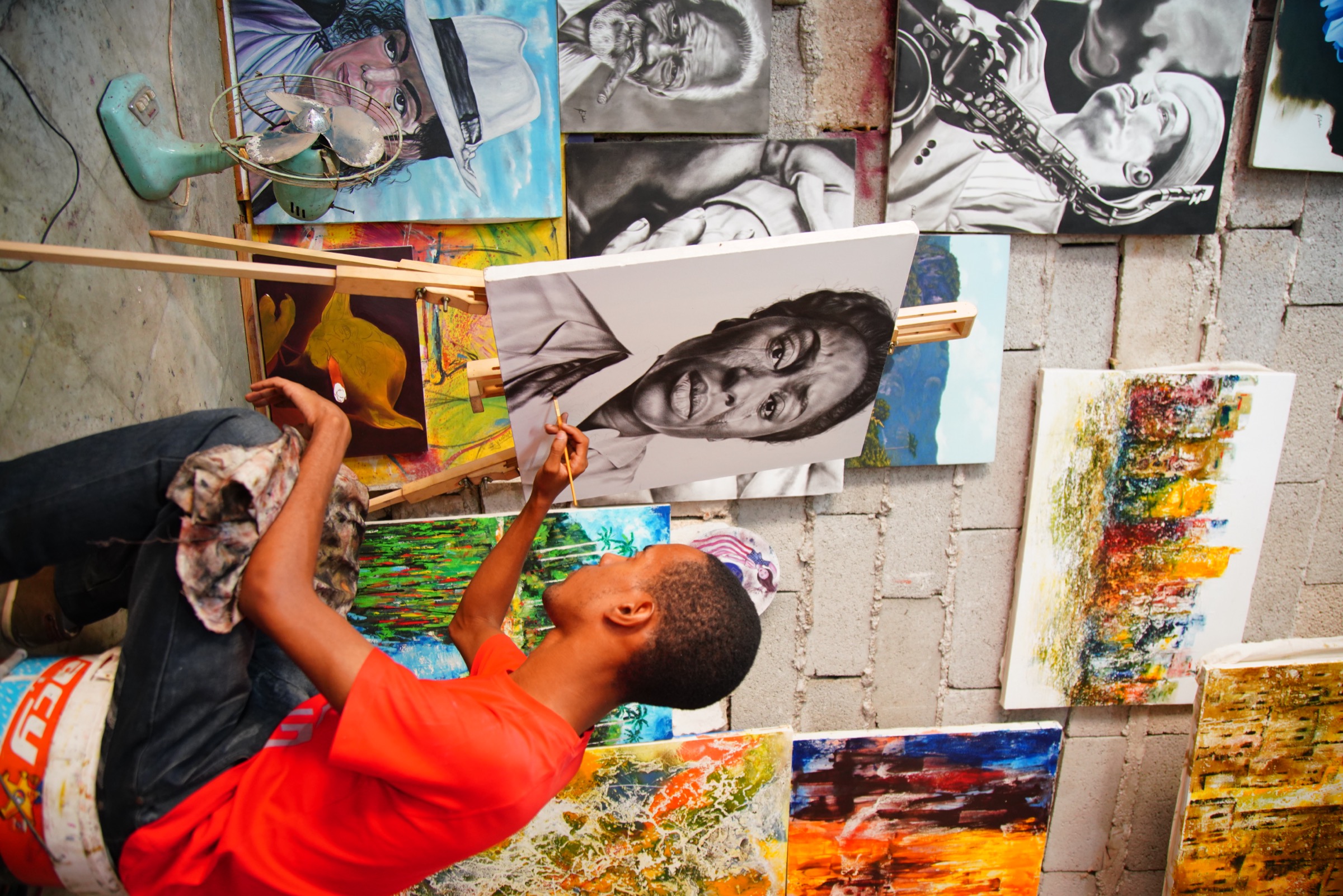
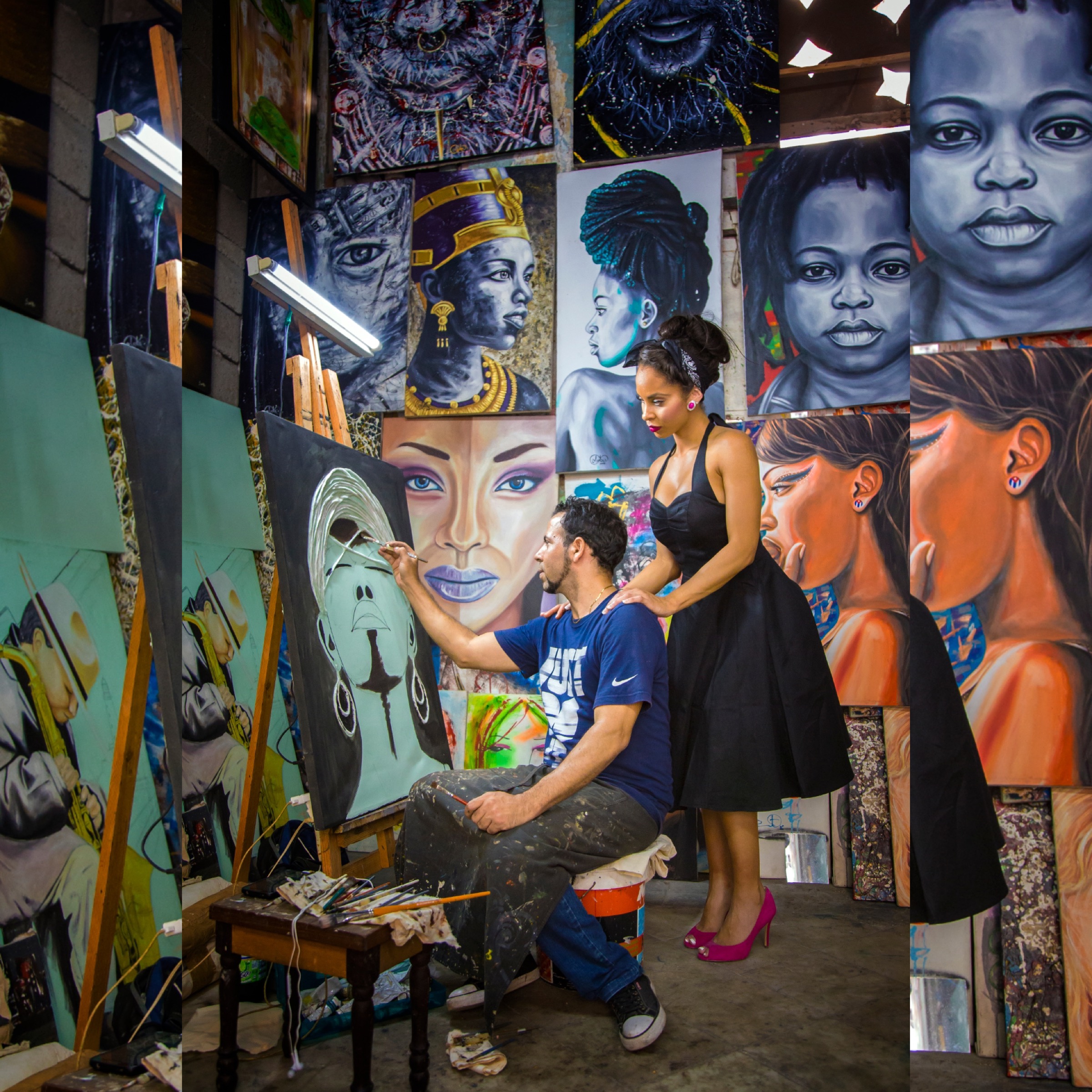
    The Cuban art scene stands out for its creative vitality. In recent years we have seen a remarkable cultural expansion, and a handful of small studios on Cuarteles Street have become an unofficial home for the movement. These little galleries — including the one literally named "Almost Famous," which sets the tone — house painters who are far more talented than their footprint would suggest.

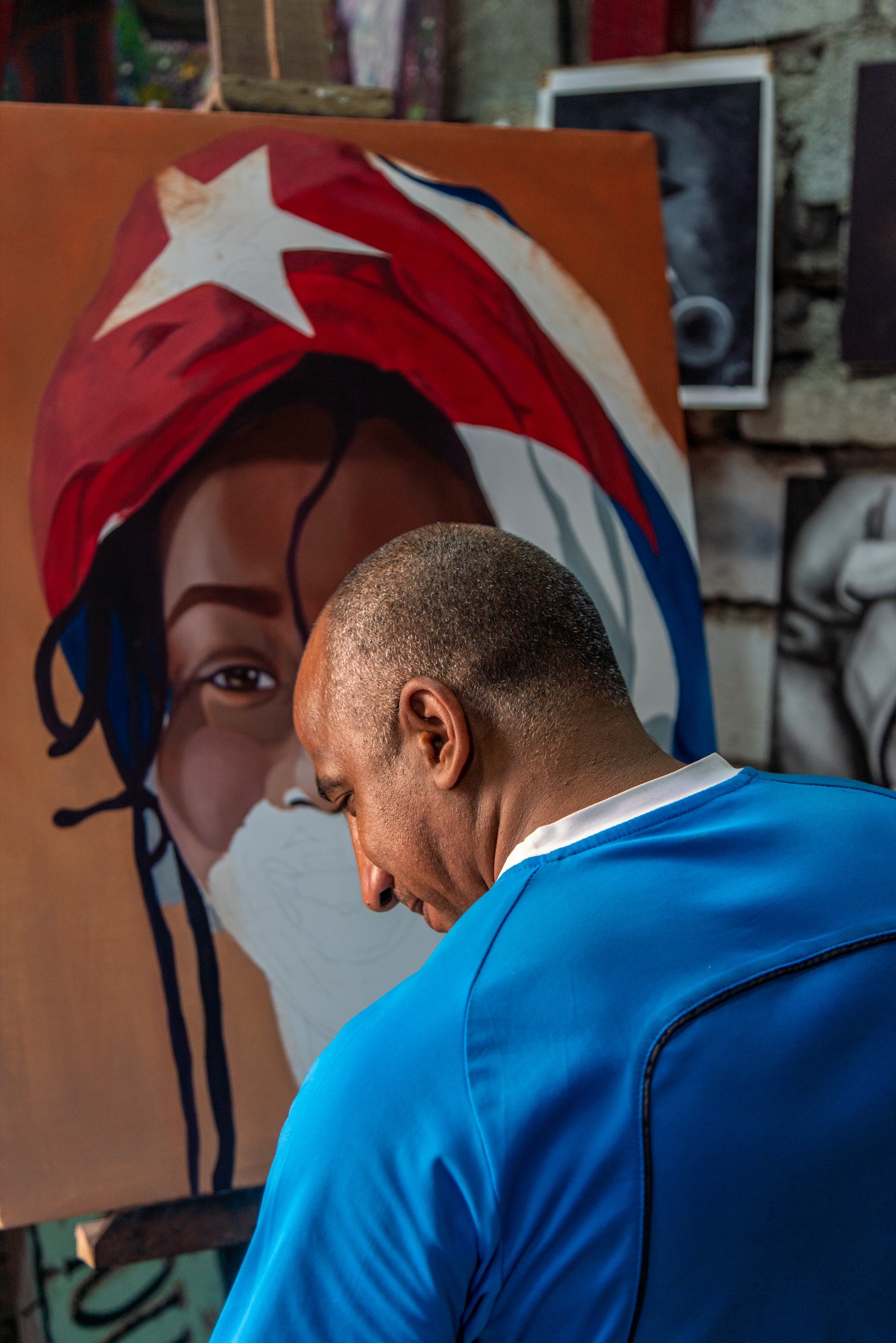
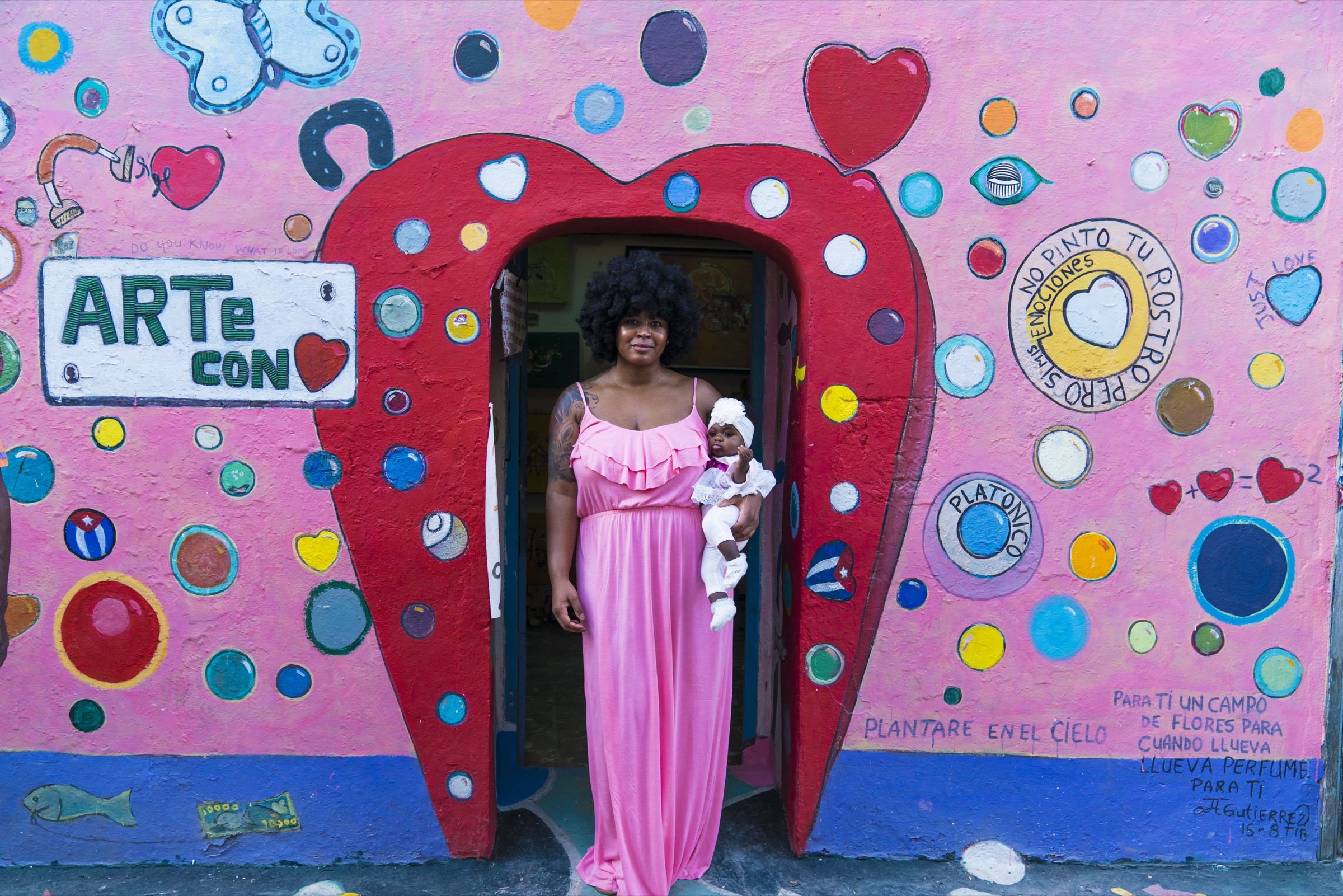
    A perfect spot to interact with a very laid-back group of artists. Many will create canvas paintings from photos on your phone — an original souvenir to take home, and a way to support a working artist directly. Right across from Almost Famous is "Arte con Corazón," another small studio worth a stop. Together the two spaces form a colorful, artsy block that photographs beautifully — especially with a classic convertible parked in the middle of it, which seems to happen naturally about every twenty minutes.

    Old HavanaN° 09 / 16
    N° 09 — Plaza de la Catedral

    Plaza de la Catedral

    The heart of colonial Havana.

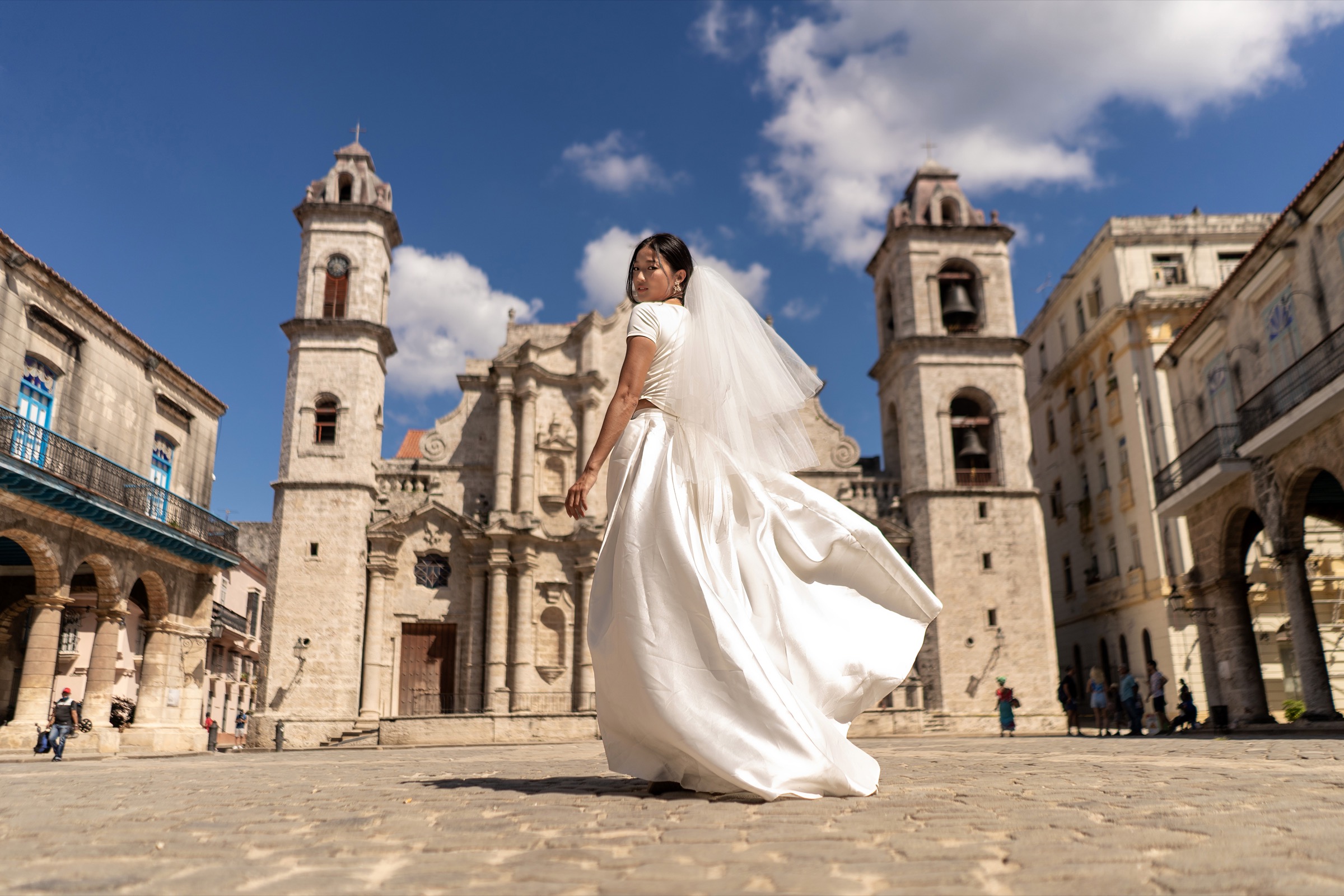
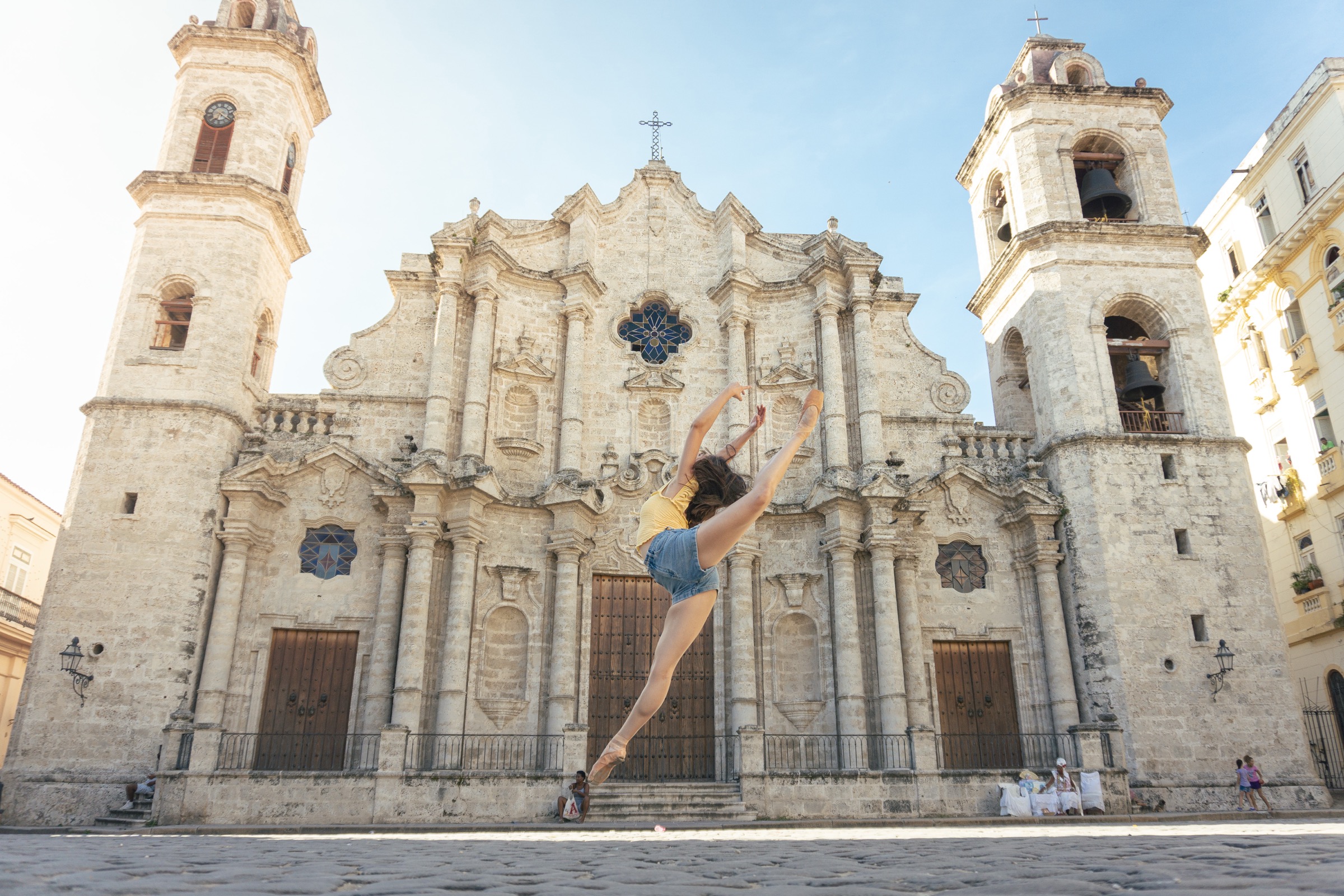
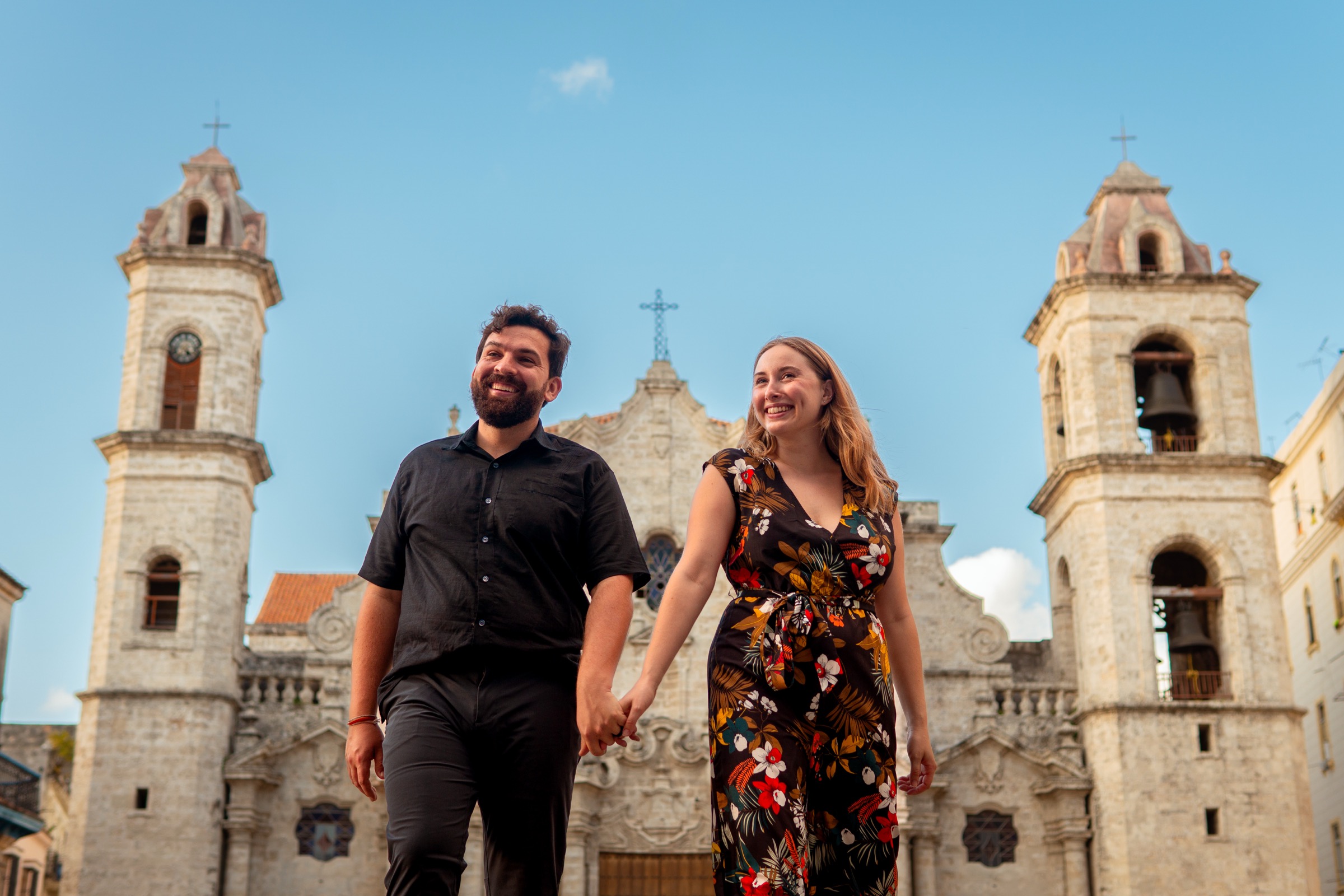
    One of Old Havana's most famous spots and the last of the city's main squares to be created, dating from the 1700s. After it was drained and paved in the first quarter of the 18th century, wealthy families moved in and began building their mansions around it. The northwest corner is occupied by the 18th-century Casa de los Condes de Peñalver, today the Wifredo Lam Center for Contemporary Art.

    The Cathedral itself — with its curves and flourishes above doors and windows — is Havana's finest example of 18th-century Cuban baroque. I love photographing here, especially early in the morning, when the square is still empty. By mid-morning, tour groups arrive and the calm is gone for the day.

    The cathedral's most photogenic characters.

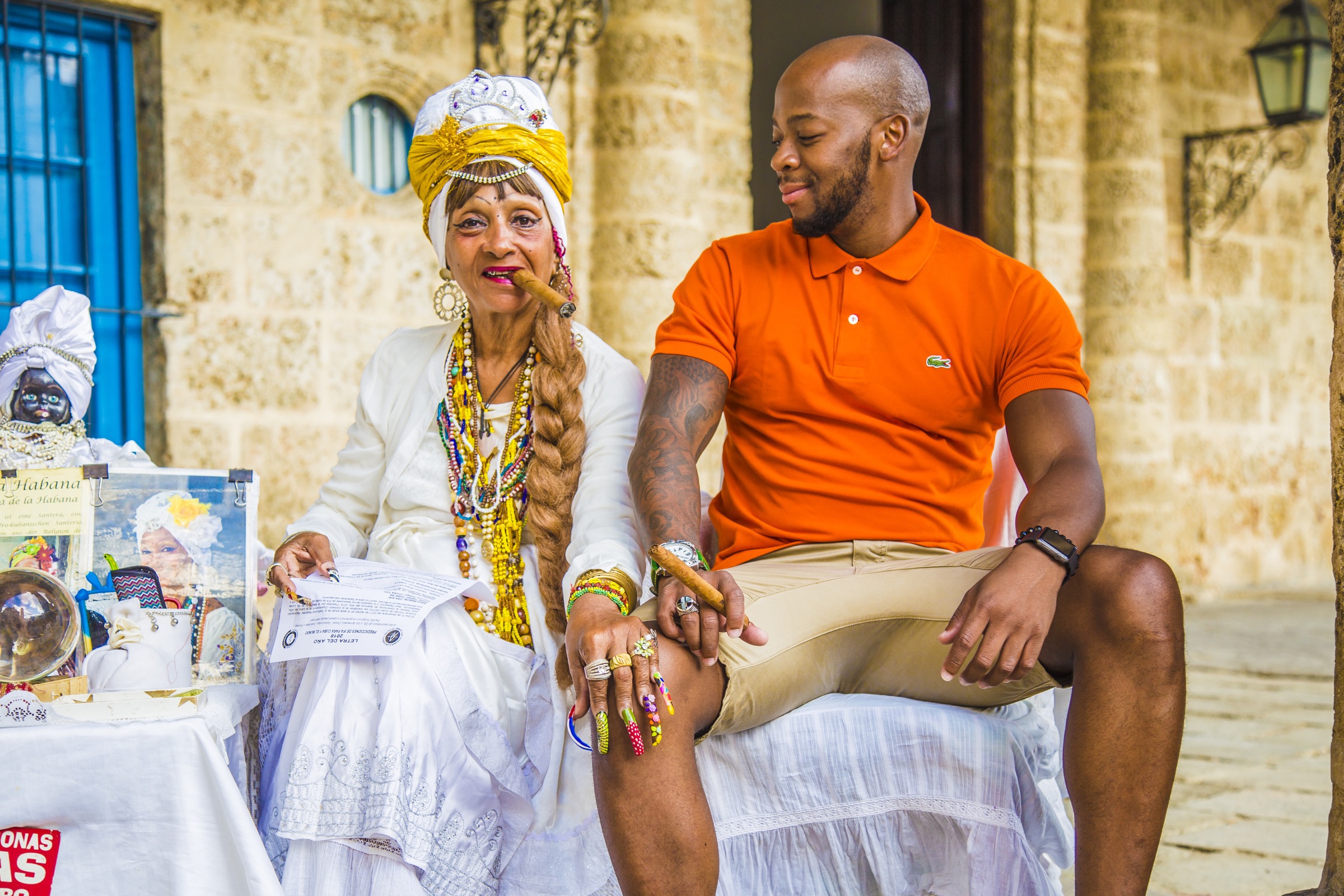
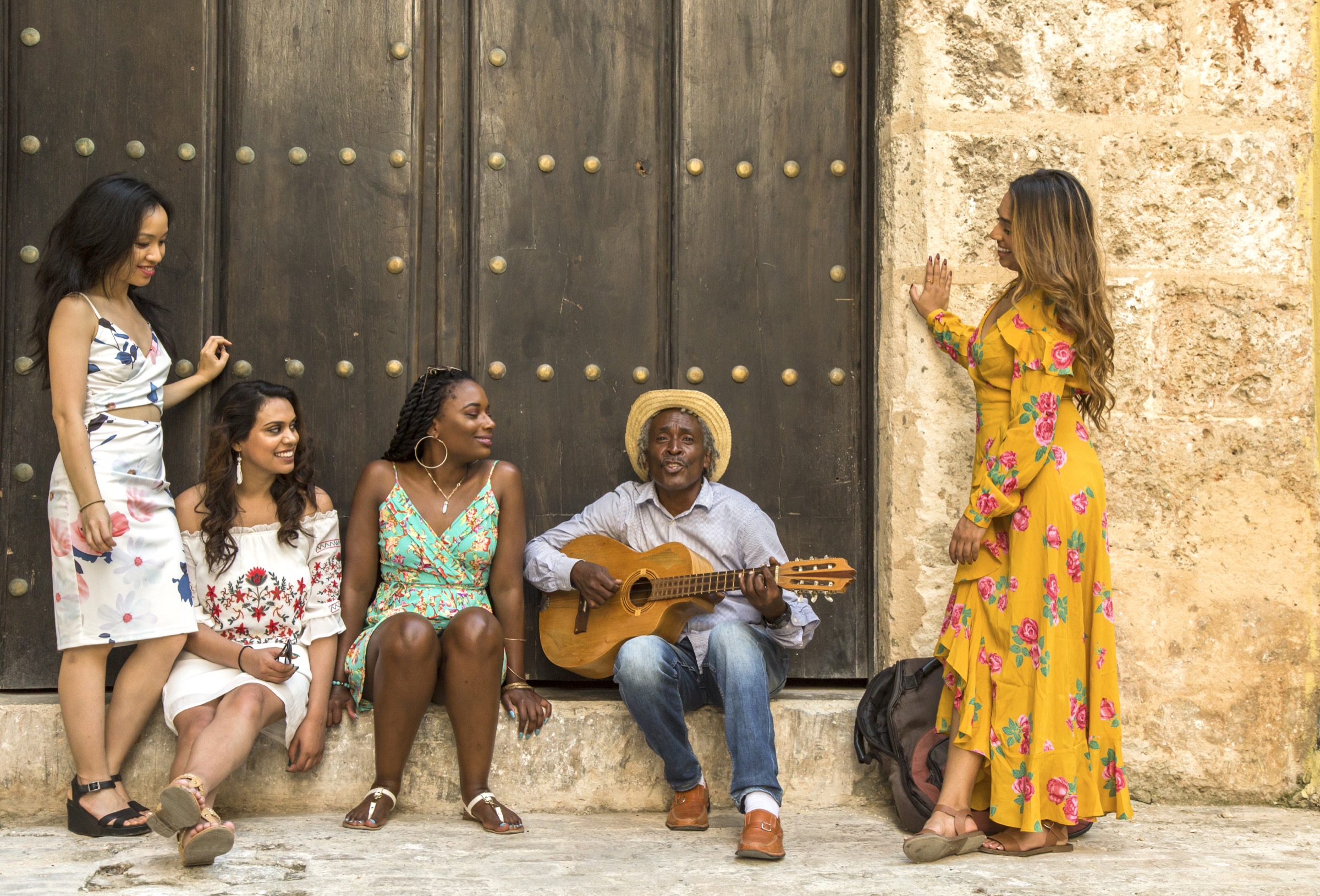
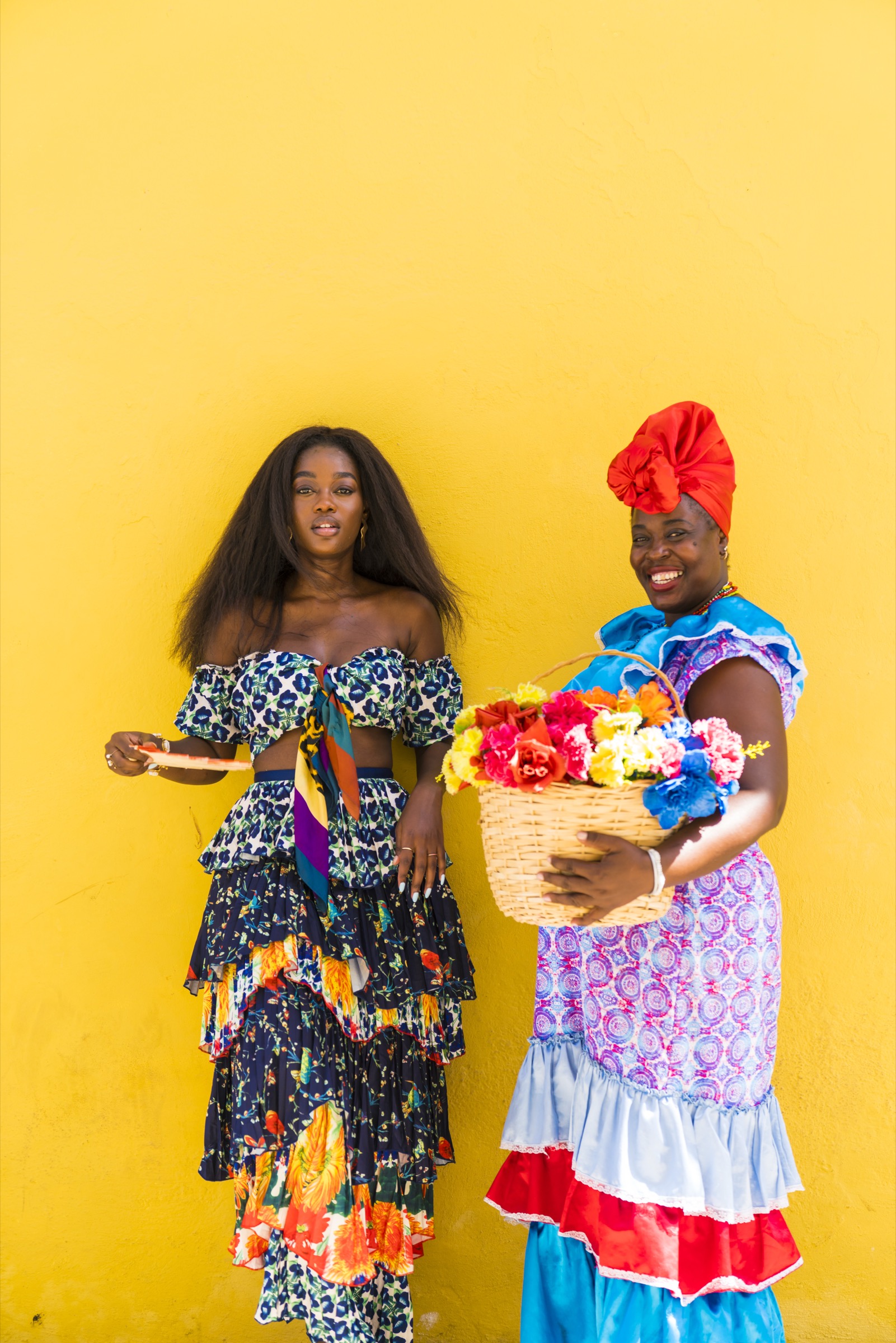
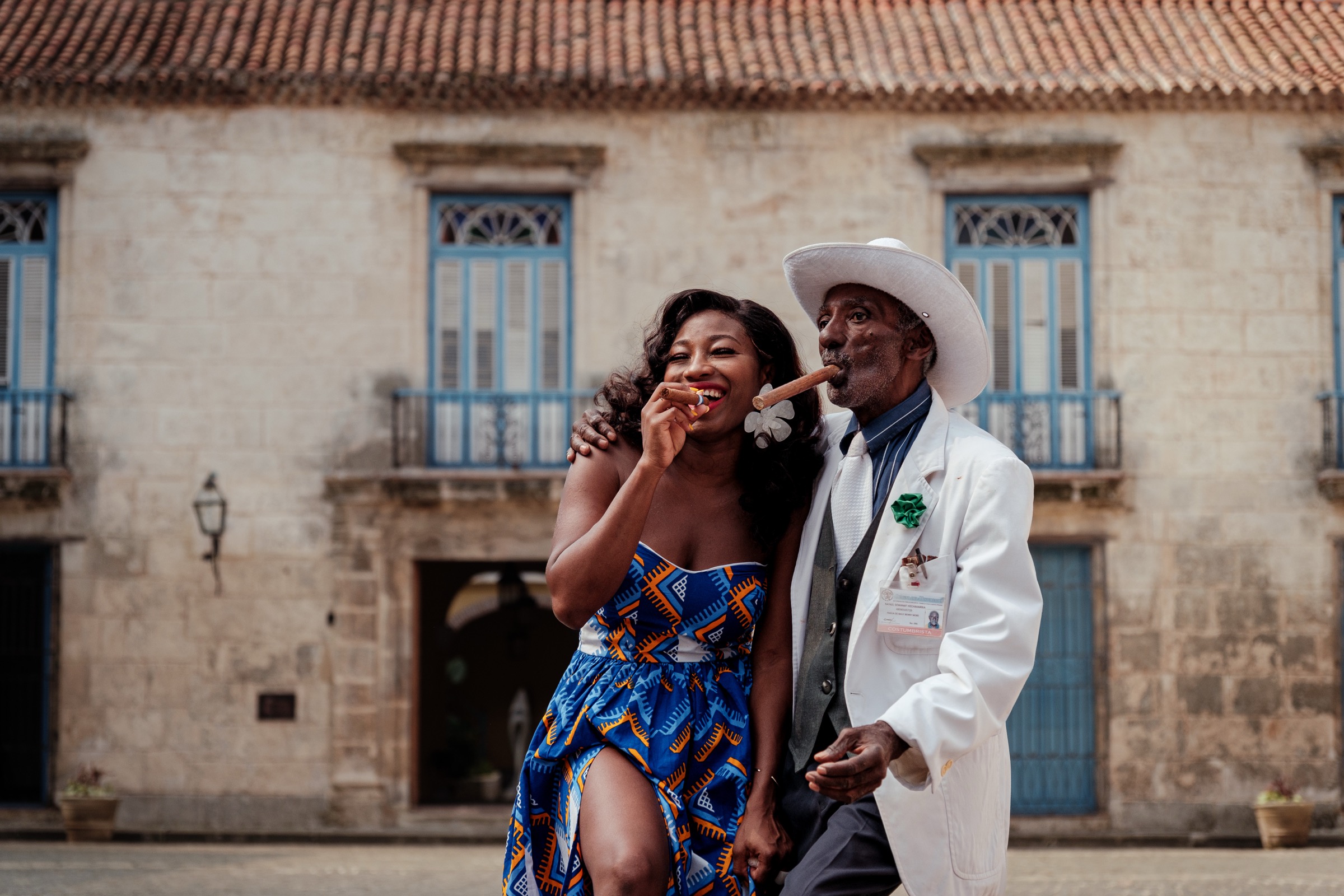
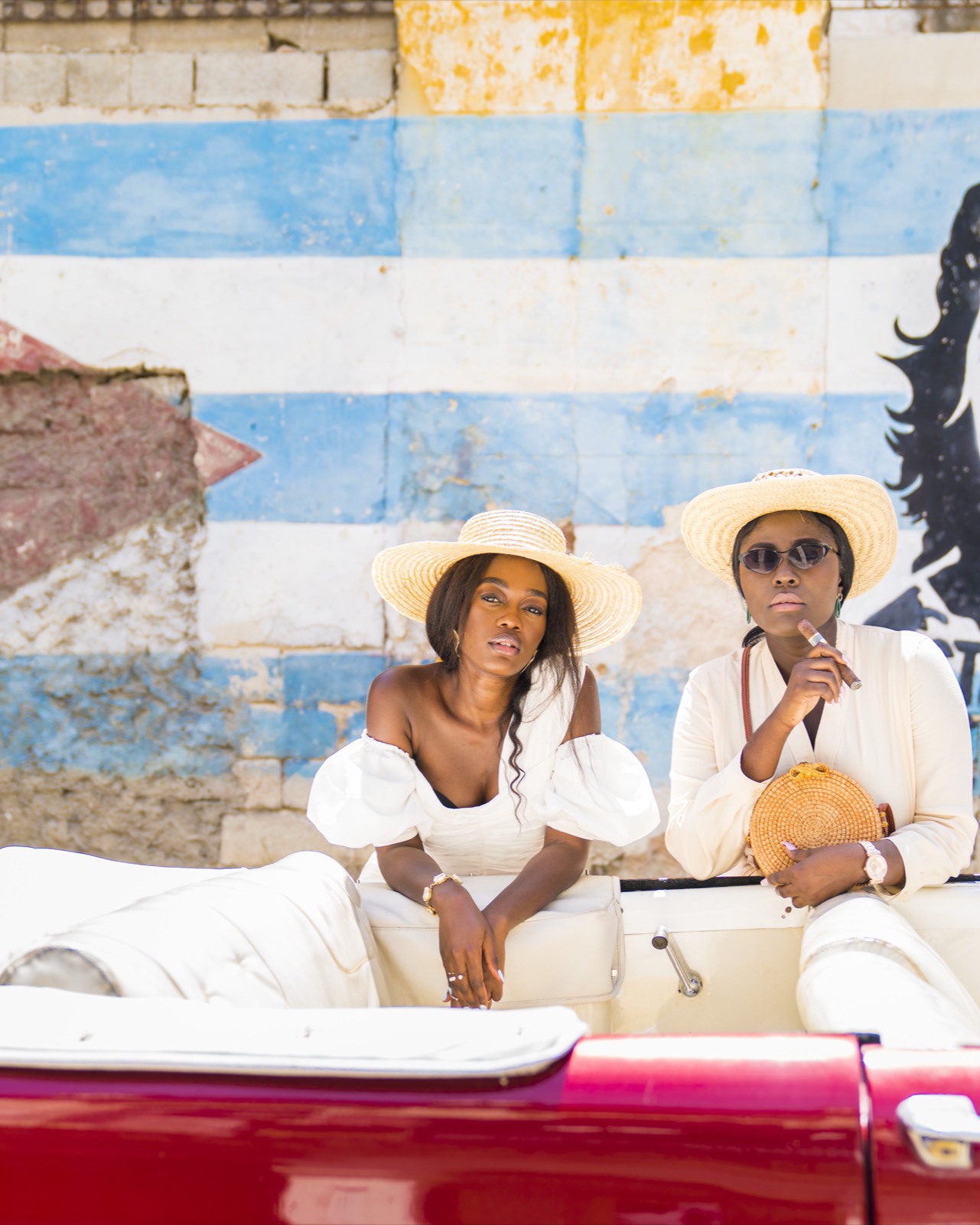
    Fortune-tellers reading futures from cards, archetypal Cuban gentlemen with cigars, musicians, 19th-century ladies in lace — they all gather around this plaza. Posing with them is the most touristy thing you can do in Havana, and the photographs are quintessentially Cuban. That is exactly why they exist — don't overthink it.

    A guest beside a costumed fortune-teller with cards and a cigar
    The fortune-teller
    A street musician playing guitar in a doorway for a group
    The musician
    A costumed flower-seller in traditional dress with a basket of flowers
    The flower-seller
    An archetypal Cuban gentleman in a white suit and hat with a cigar
    The cigar gentleman
    El MalecónN° 10 / 16
    N° 10 — El Malecón

    El Malecón

    The world's longest sofa.

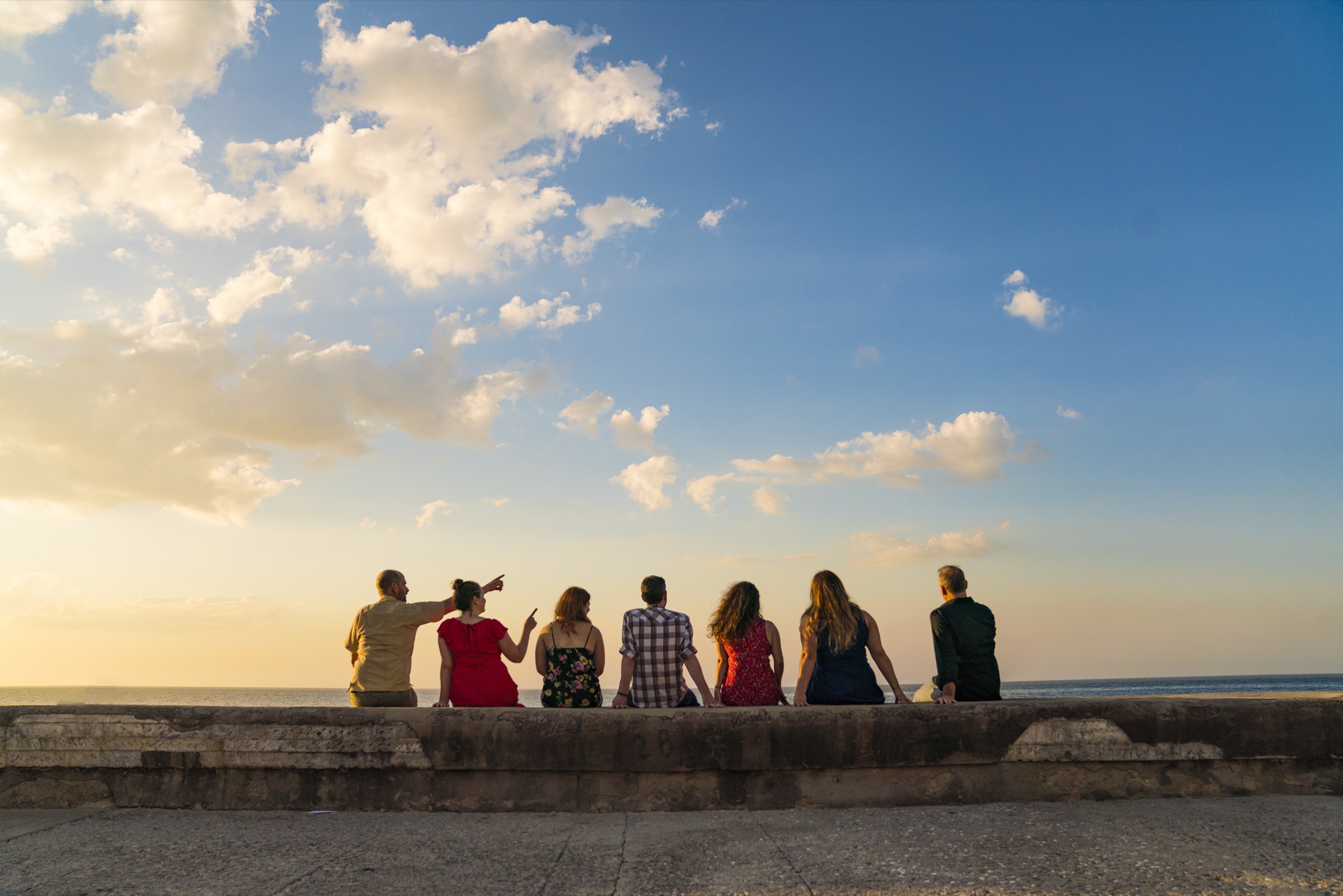
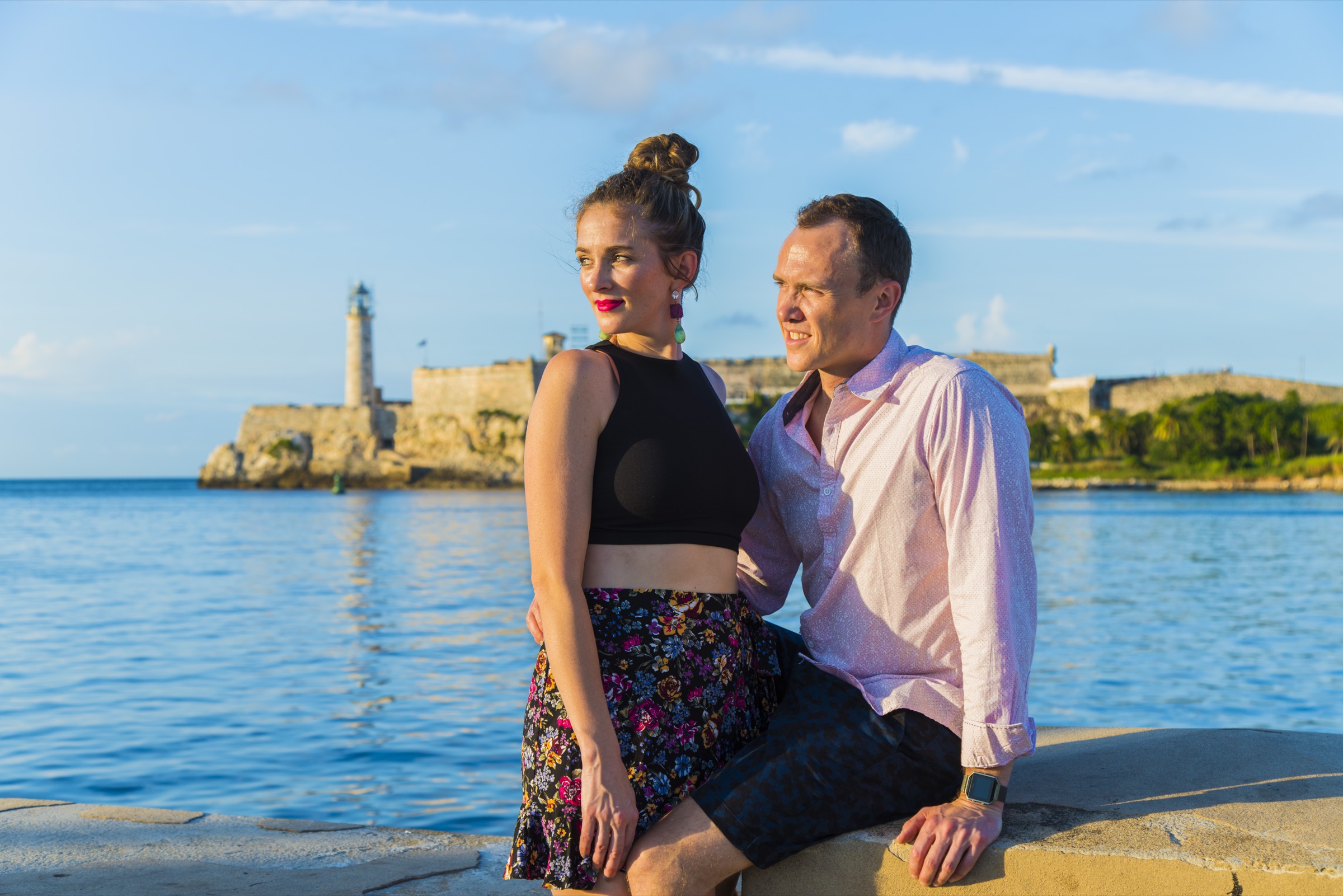
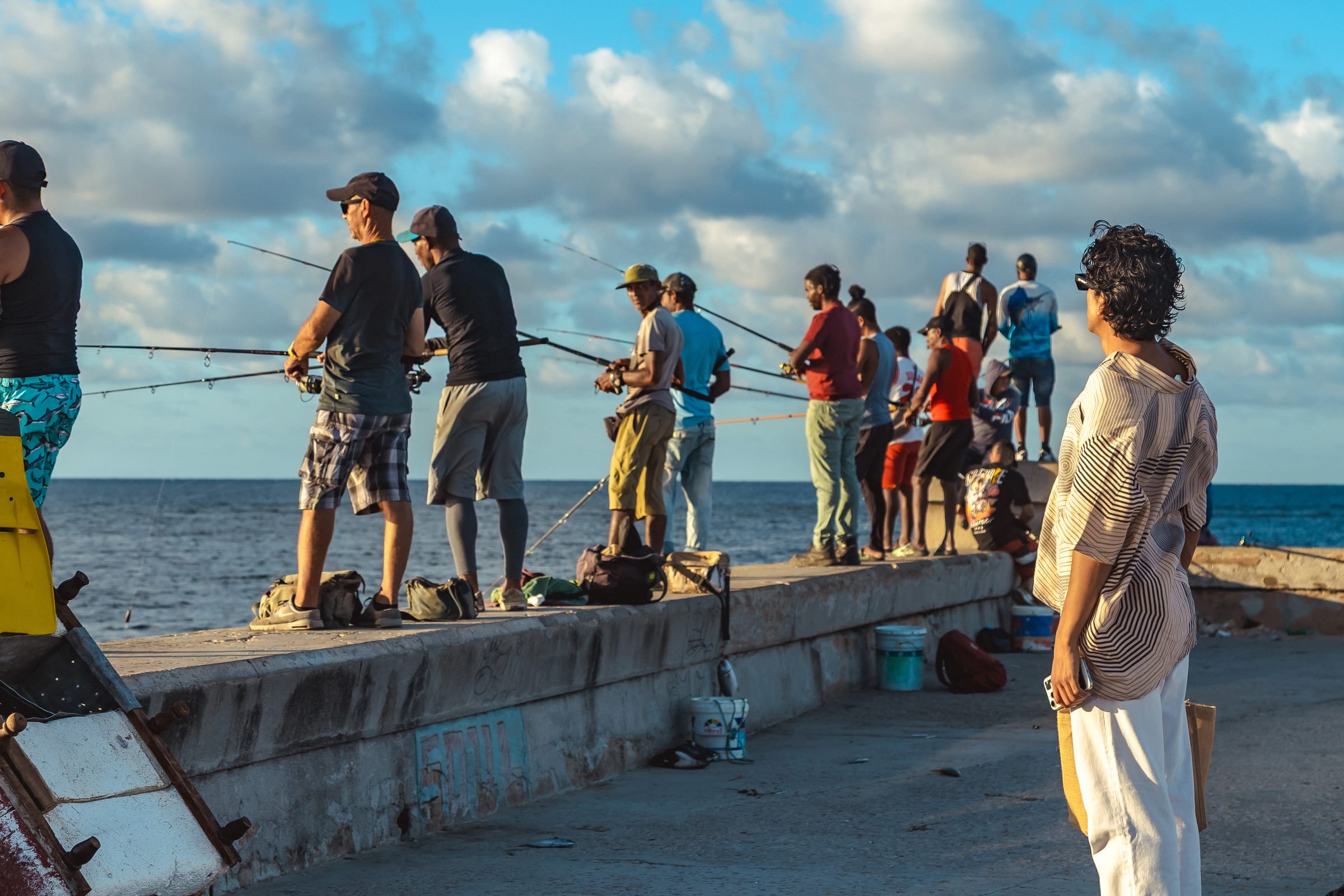
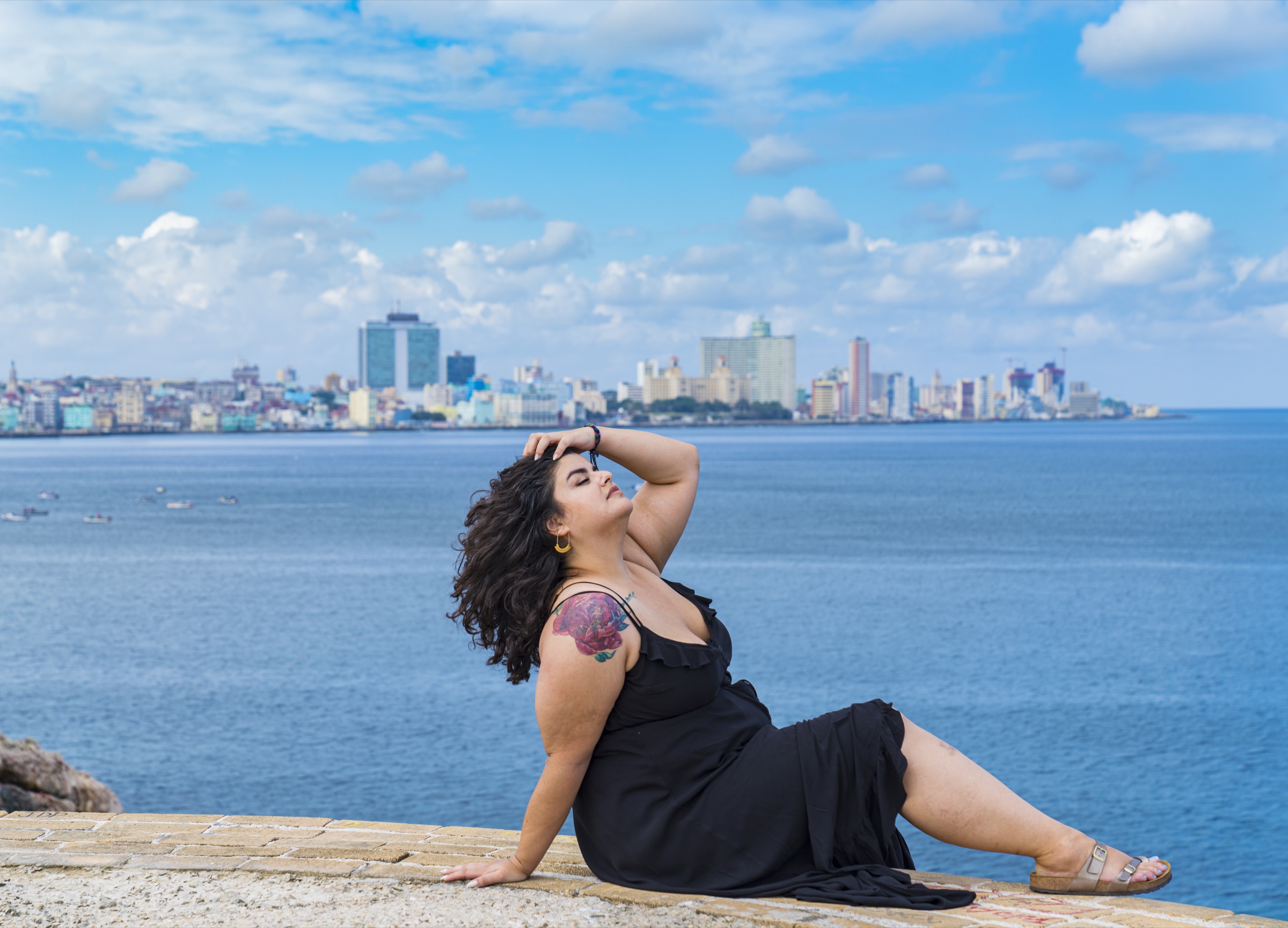
    The most soulful and authentically Cuban promenade in the city. I cannot think of Havana without all the moments I have spent on this seawall: drinking rum out of cardboard tetra bricks, falling in love, singing songs with a guitar. The seven kilometers of sea drive remain the most honest open-air theater in town. Locals call it "the world's longest sofa" because every night — and especially on weekends — thousands of people come simply to sit on it.

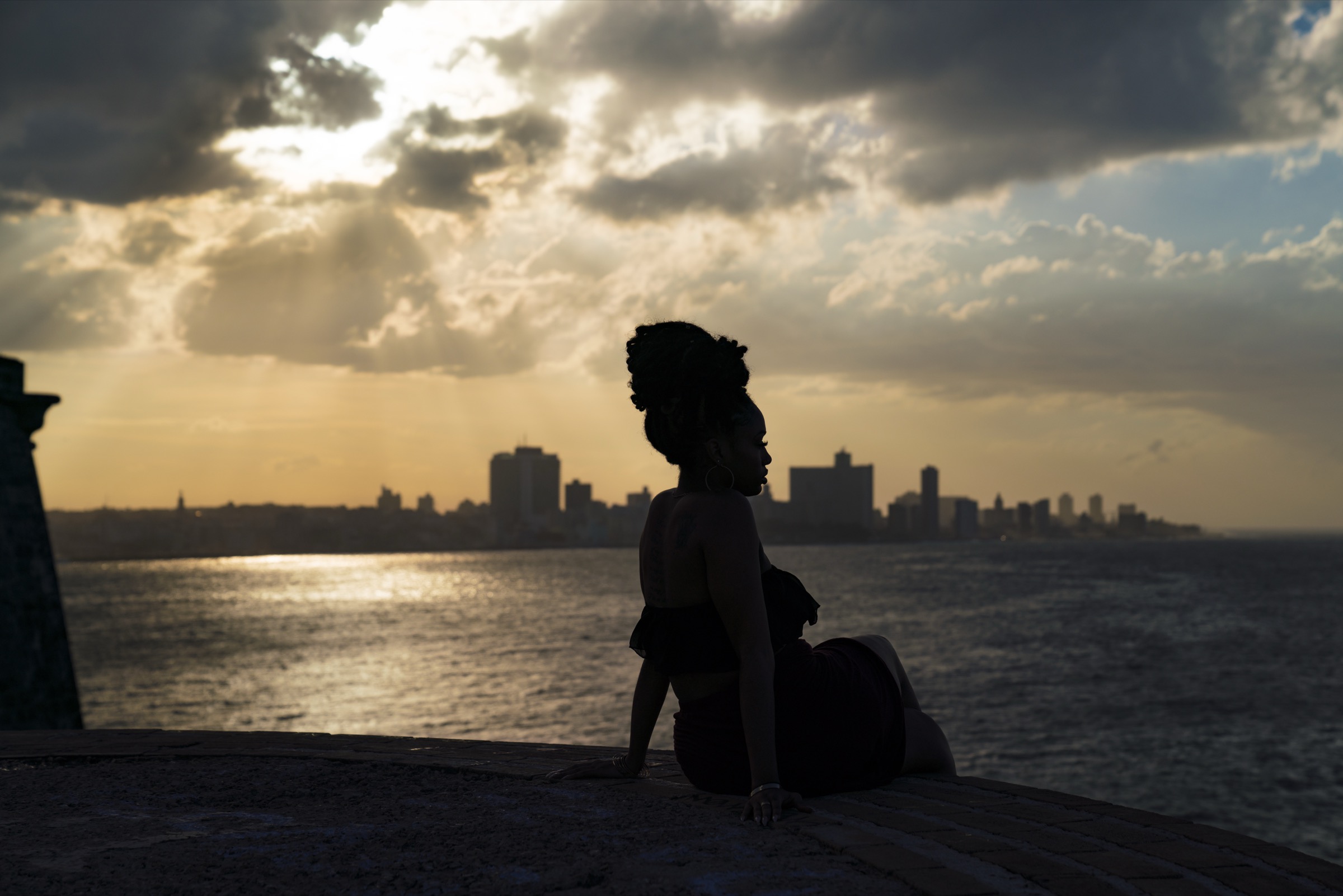
    A sunset on the Malecón is an experience you do not forget. My favorite stretch is the one closest to the Prado, where you have a full view of Havana's skyline and the sky breaks into a mind-blowing display of golds, blues, and violets as the sun drops.

    Two compositions to try

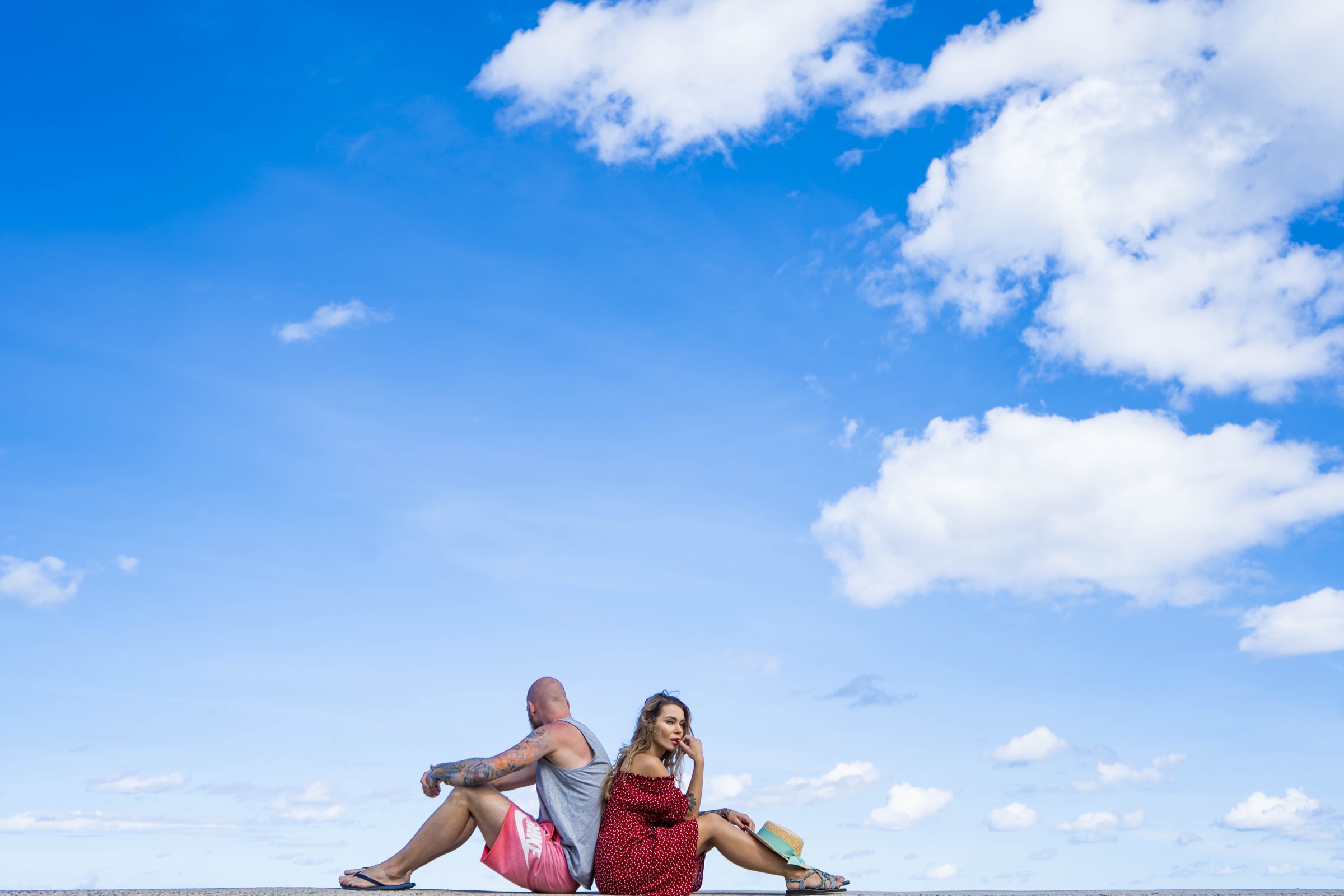
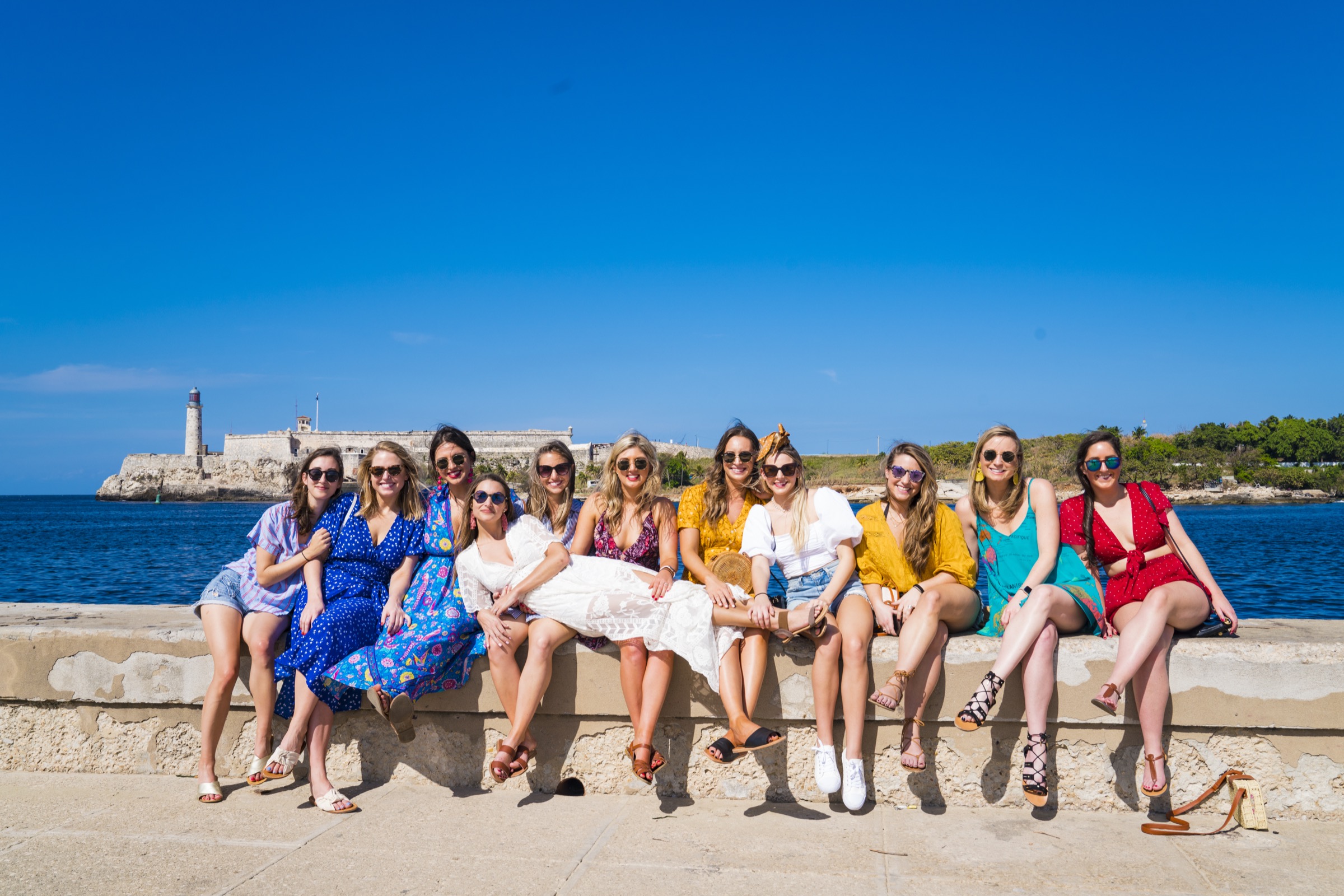
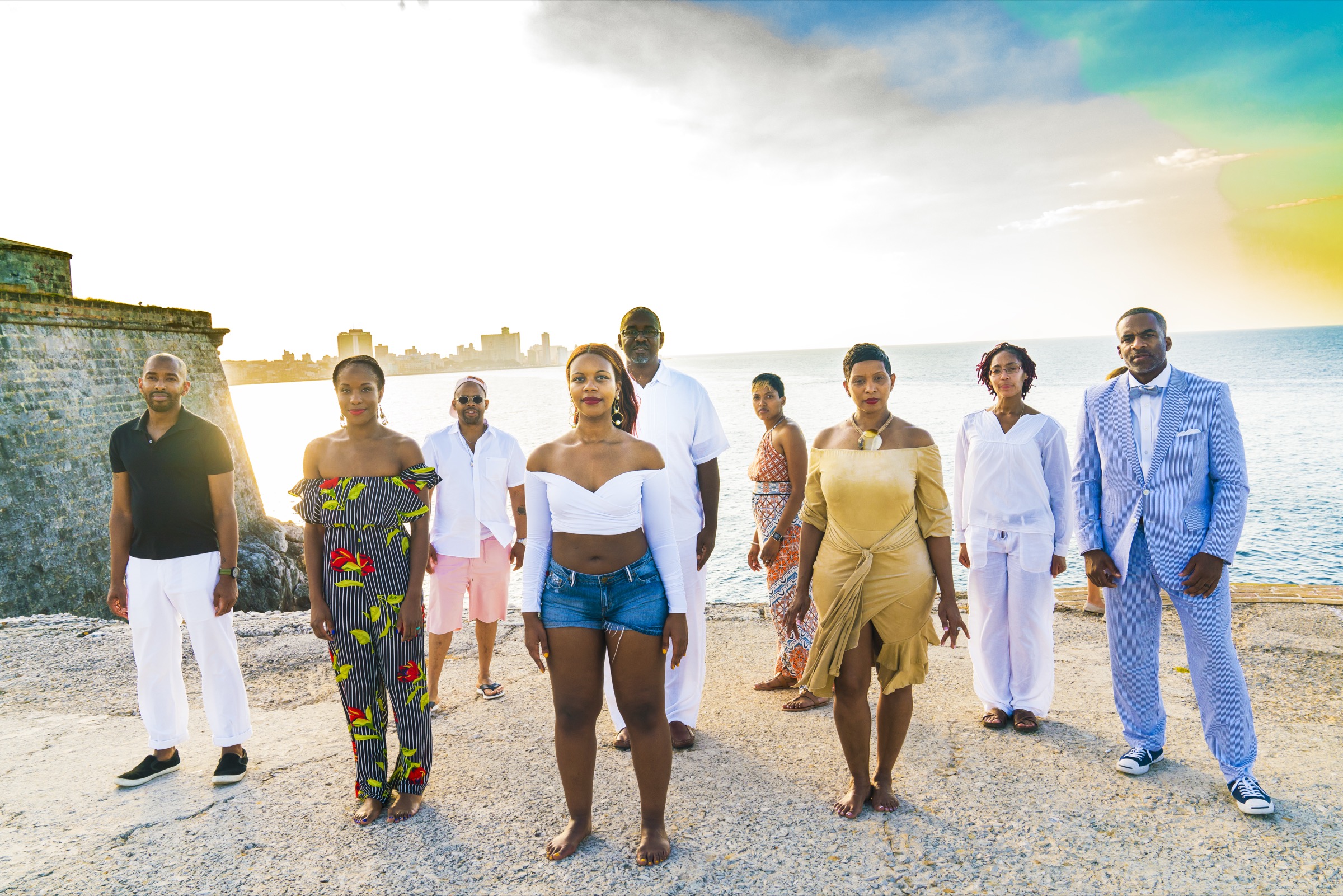
    Set the very bottom of the frame right where you are sitting. The result is a cool effect of subject-and-sky that feels intimate, almost like a self-portrait. For groups, head to the section by the entrance of Havana Bay, where the seawall is lower and easier to sit on, and the ocean stretches out as a wide backdrop.

    Photographer's note

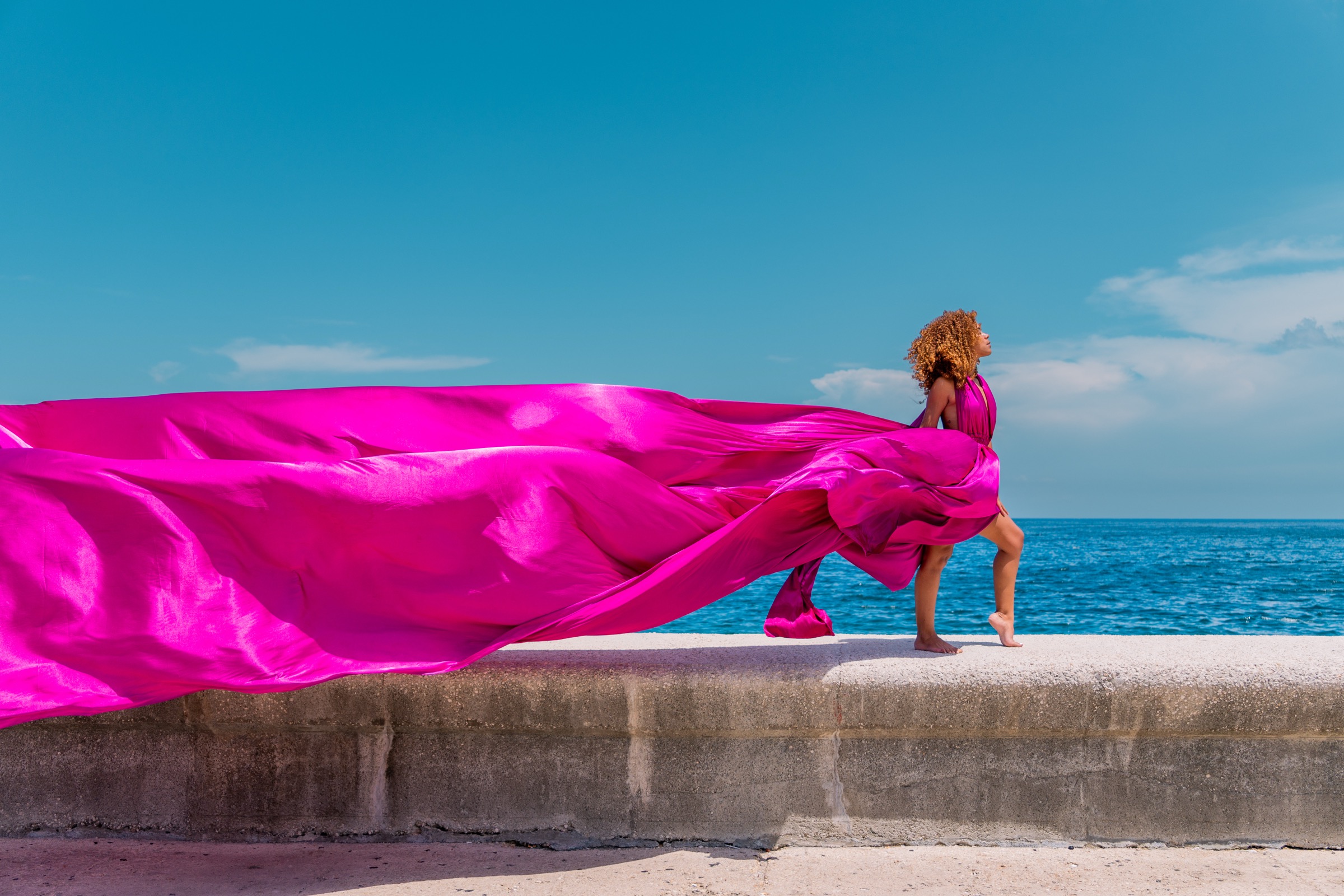
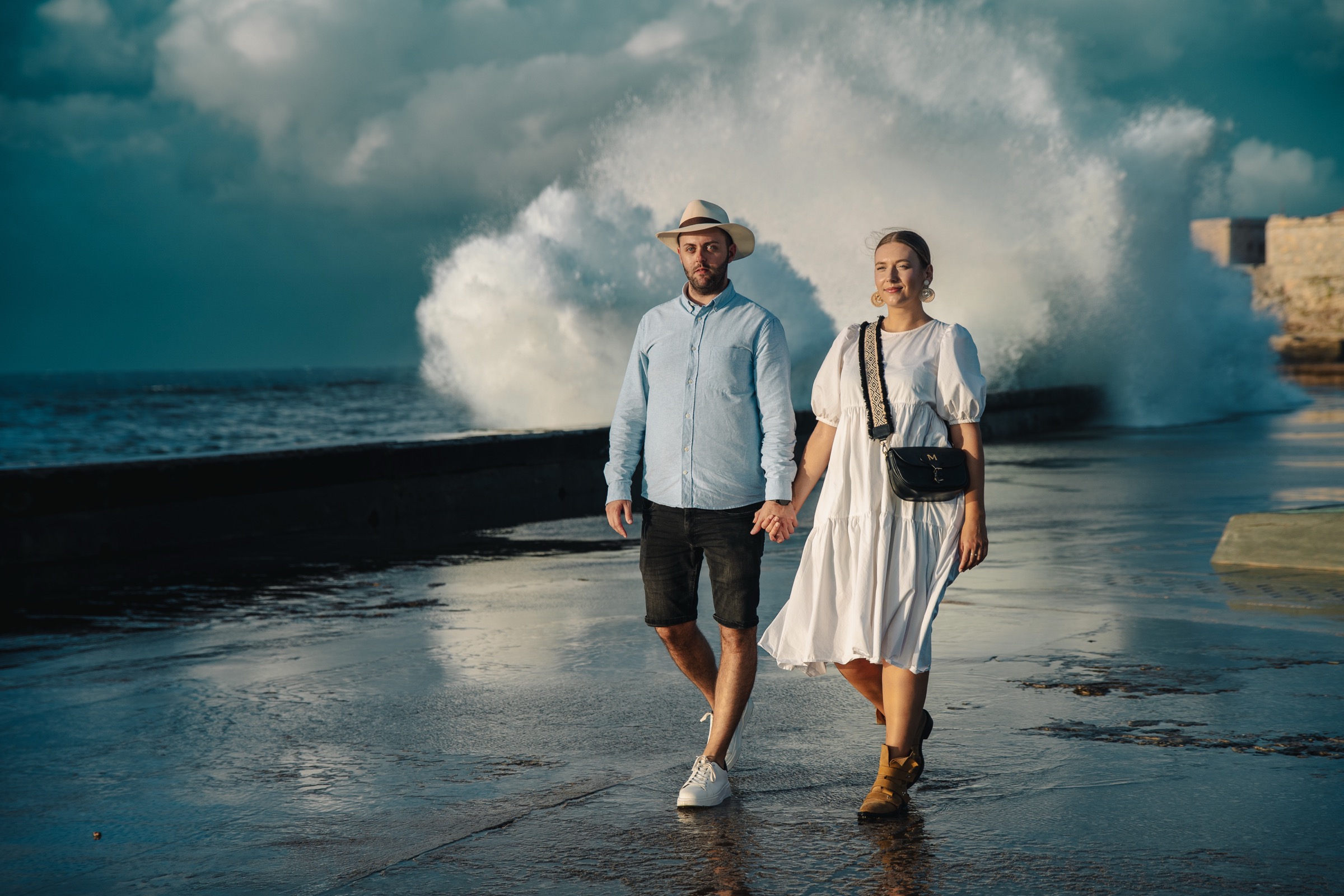
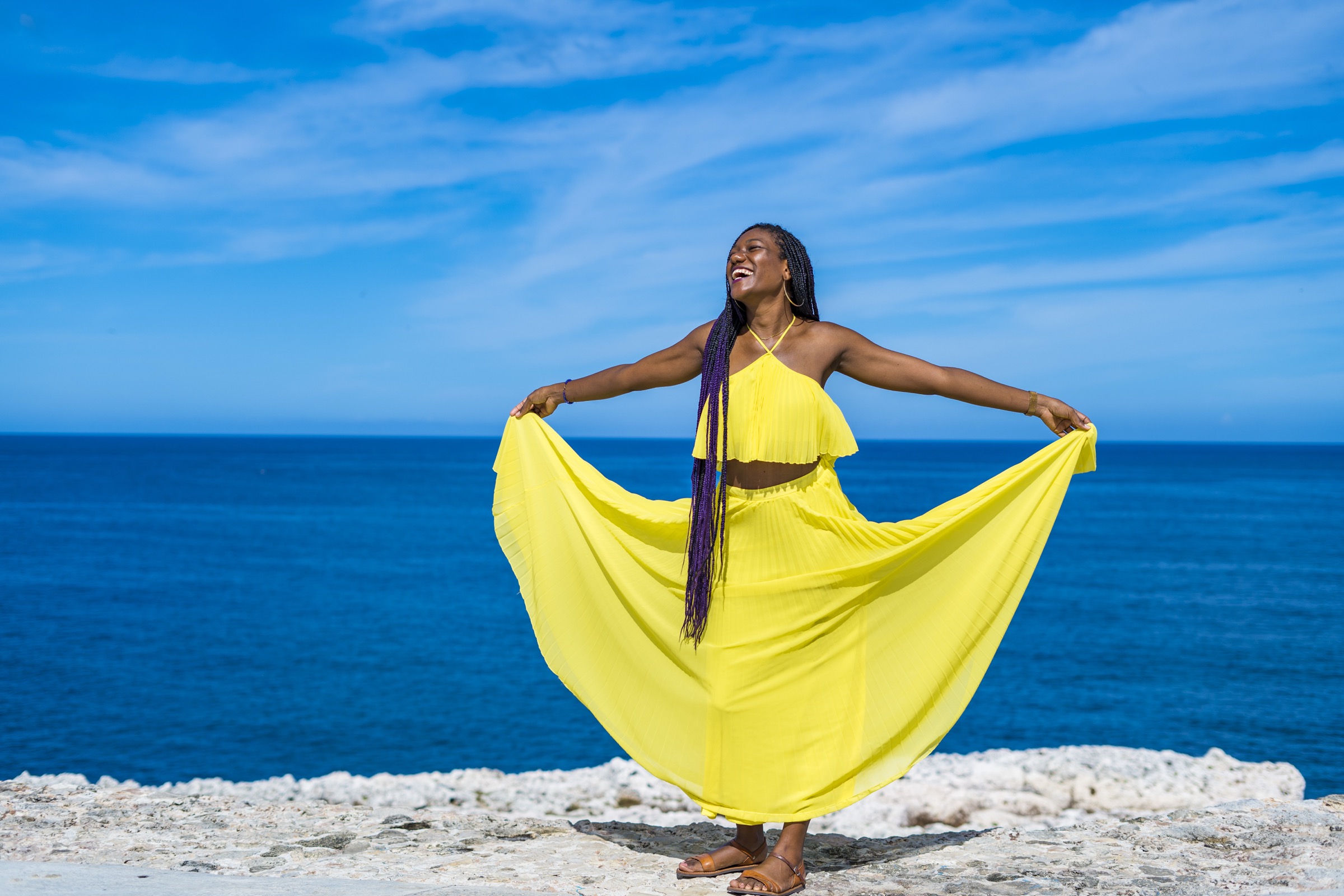
    If you are working on a Flying Dress photoshoot, the Malecón is unbeatable. The constant breeze does most of the work for you. On stormy afternoons the waves climb the seawall and crash over the road — a spectacle worth waiting out, from a safe distance.

    East of Havana BayN° 11 / 16
    N° 11 — Morro Castle

    Morro Castle

    My secret spot.

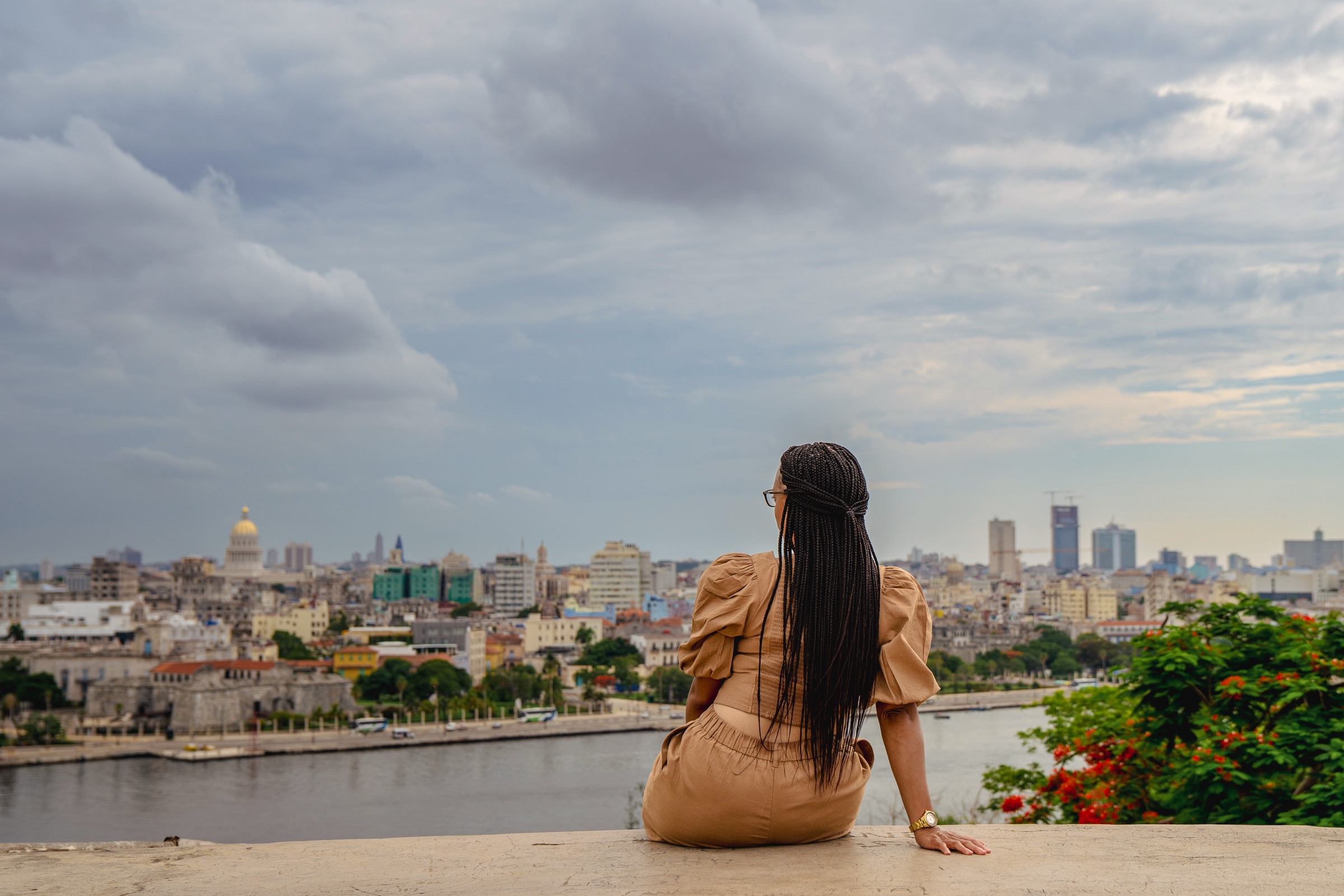
    Perched on the rugged cliffs above the Caribbean Sea, the historic Morro Castle and its emblematic lighthouse date back to the late 16th century. The fortress was built to guard Havana Harbor from pirates and corsairs — an exemplary specimen of Renaissance military design. Every evening at 9 PM, a ceremonial cannon is still fired from its ramparts.

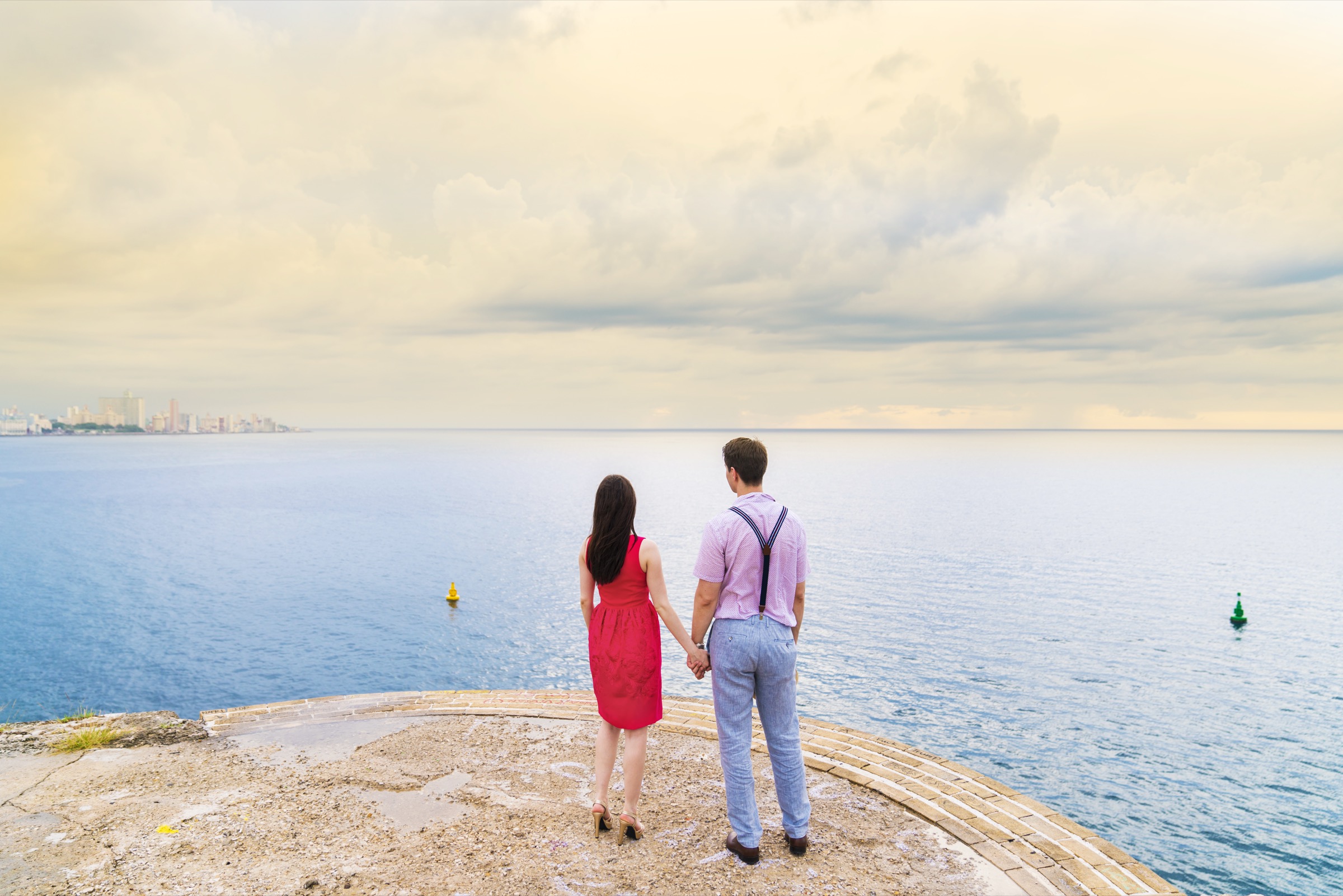
    Most visitors enjoy the view from the popular spot, right by the souvenir vendors. I like to walk a little farther, past the grass on the far side, where you will find a quieter corner with the same amazing view and far fewer people in your frame.

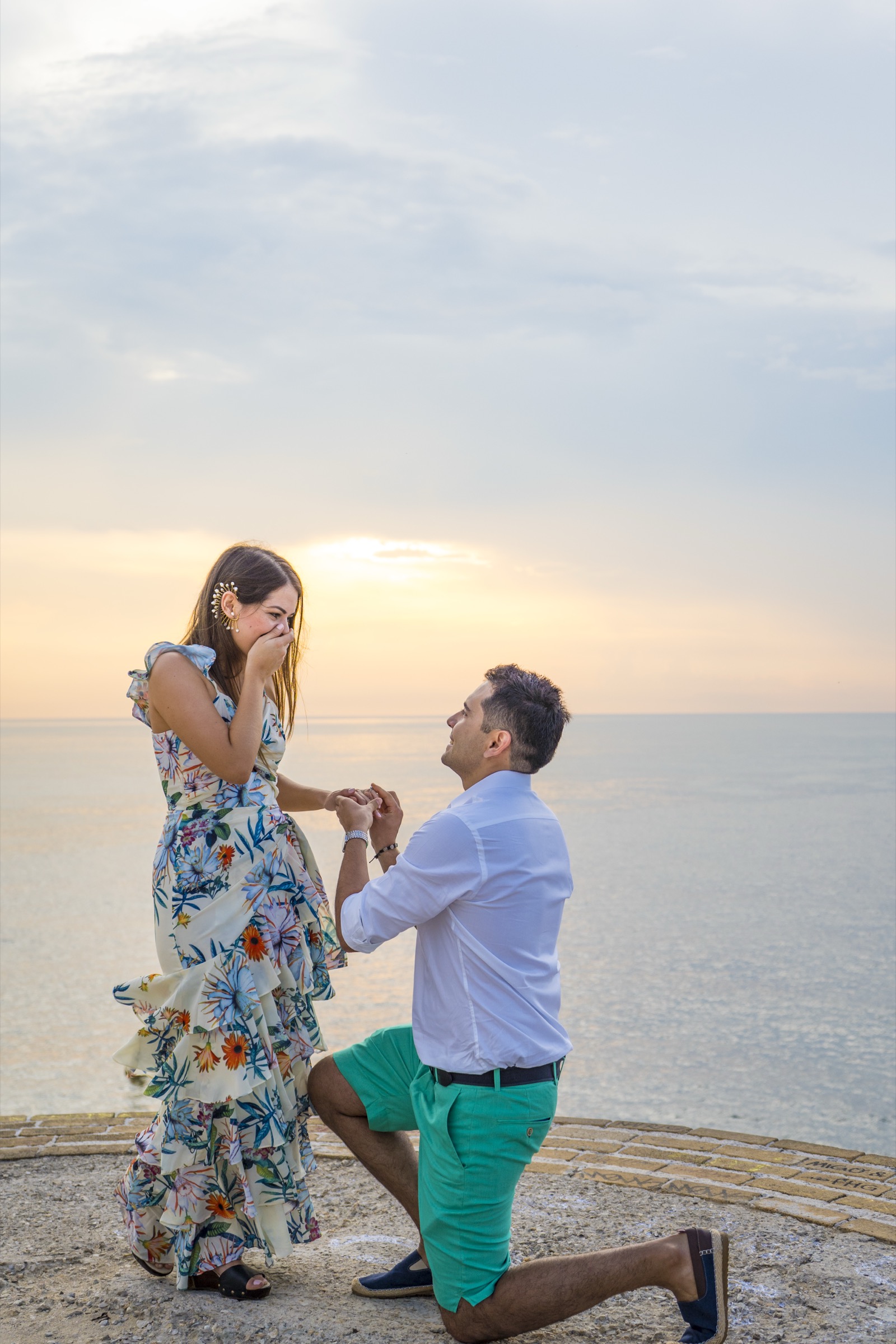
    My favorite place for a surprise proposal

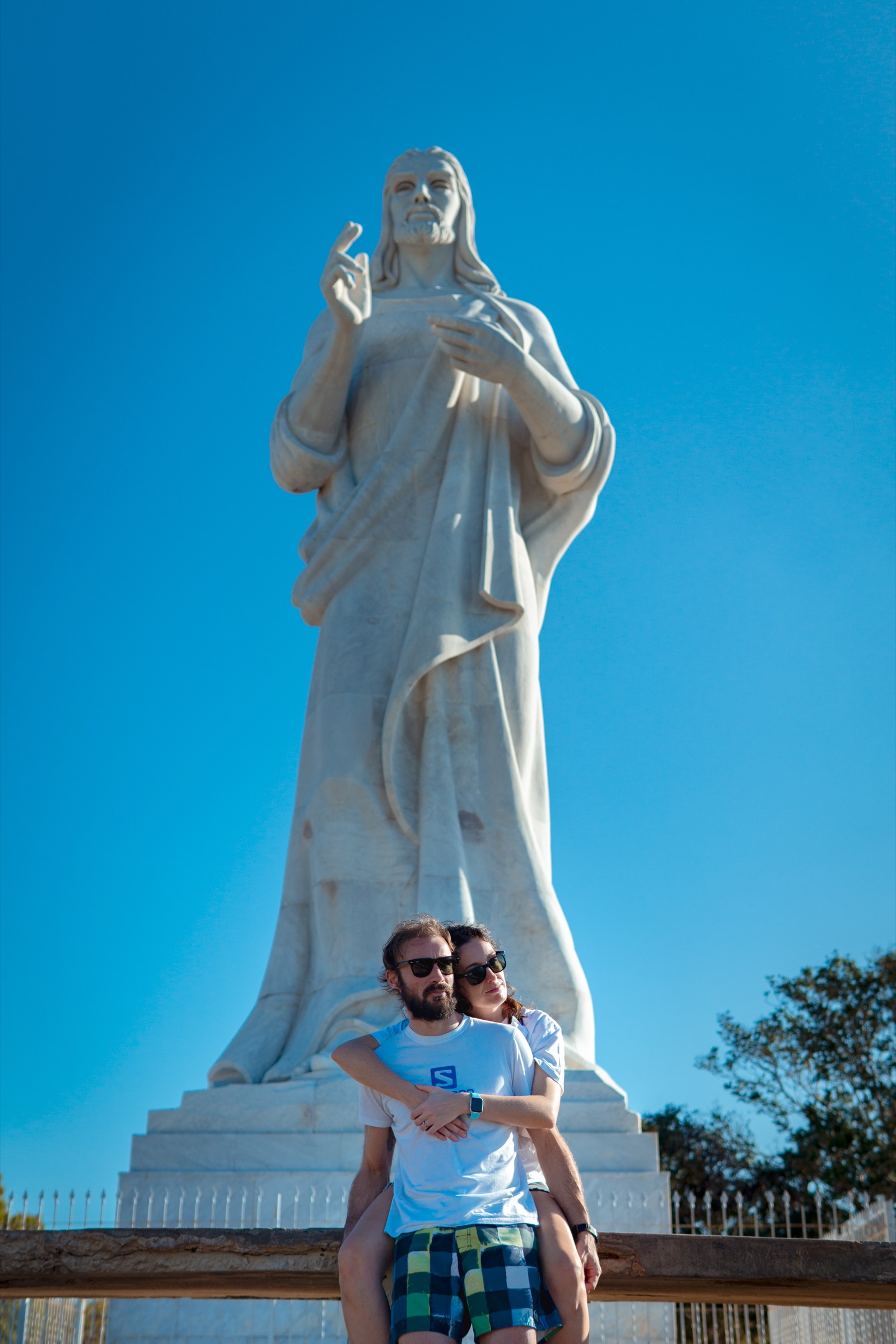
    The golden light of sunset, the privacy of this little corner, the music of the ocean, Cuba itself — the perfect combination for a moment you will cherish forever. This is where I bring the nervous guys with that suspicious hand in their pockets, and so far it has never disappointed. I usually ask the fiancée to look out toward the ocean for a picture, then quietly hand the camera to a friend while he kneels behind her, and… surprise. Gentlemen, if you didn't know — now you know.

    Calle CárdenasN° 12 / 16
    N° 12 — Calle Cárdenas

    Calle Cárdenas

    What tourists want, but can't find.

    This block happens to be the top choice for Hollywood films (Fast & Furious 7) and music videos (Enrique Iglesias) looking for an instantly readable, stunning Cuban vibe. Every fashion photographer I have worked with has also picked this short stretch as one of their main sets. The reason: a unique mix of Art Nouveau facades, carved wooden doors with delicate floral motifs, and street art, all packed into a few blocks.

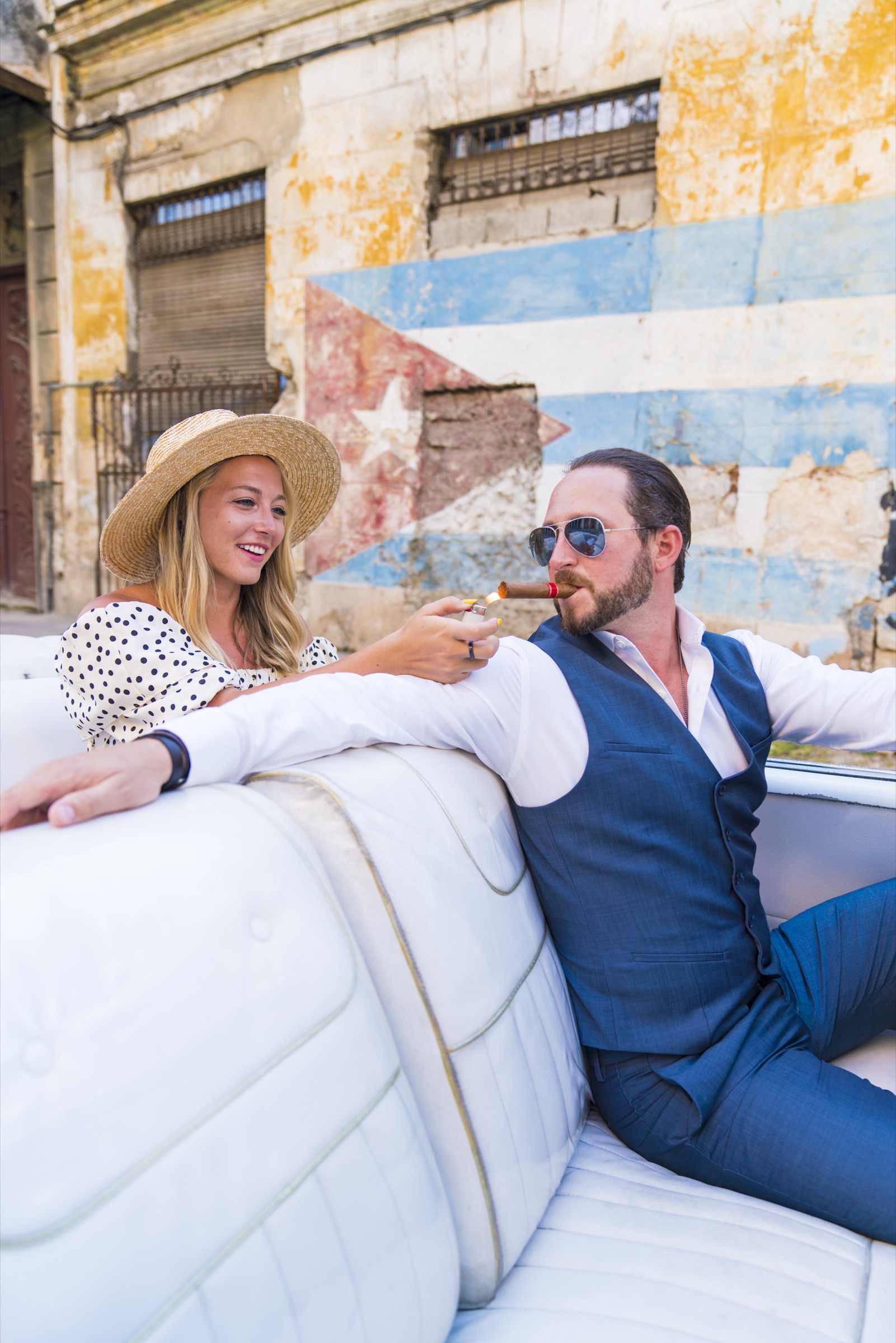
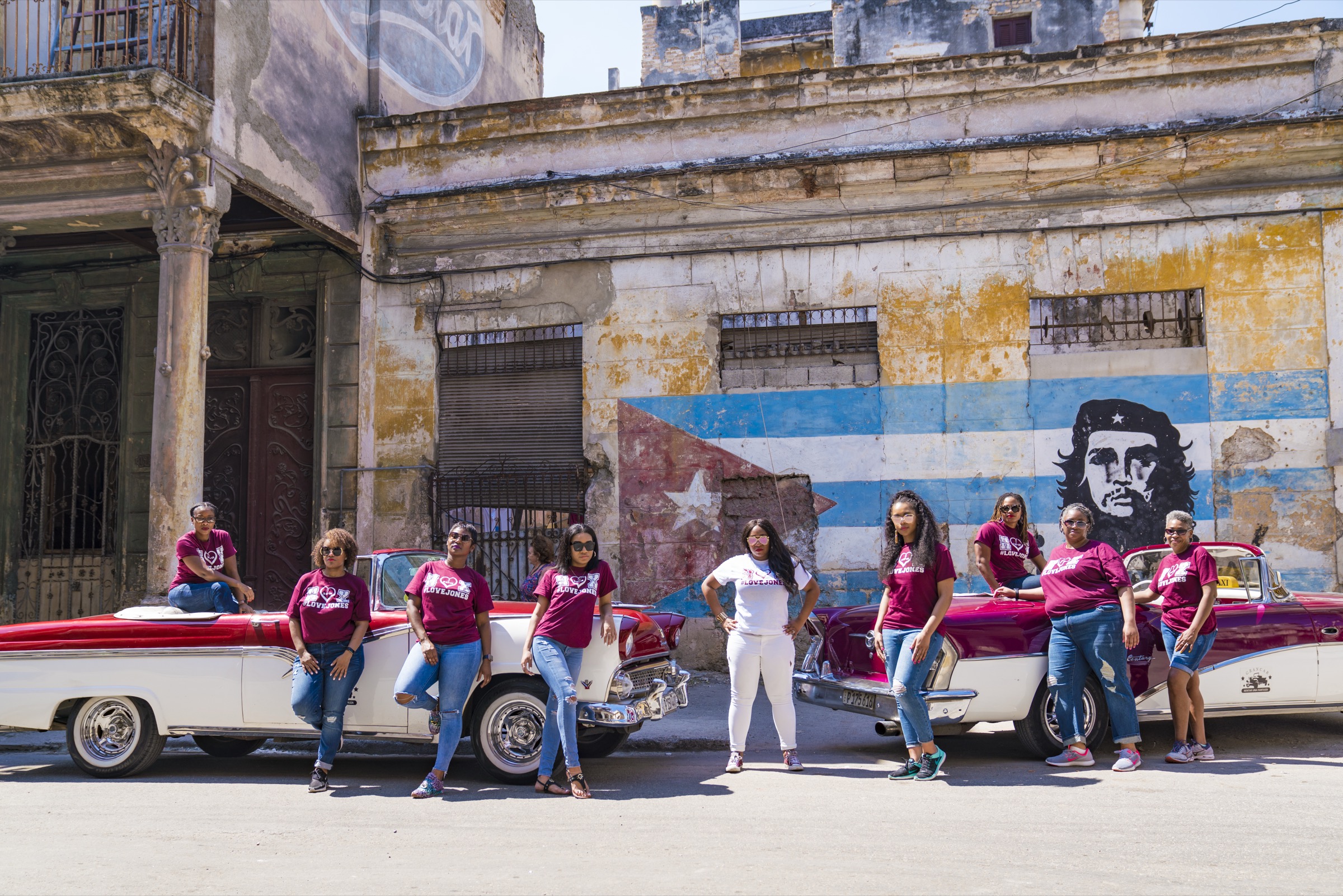
    The Cuban-flag graffiti on Cárdenas has become the most recognized piece of street art in the city — and almost nobody finds it. It sits five blocks from the Capitolio, completely outside the main tourist routes. Now you know.

    Centro HabanaN° 13 / 16
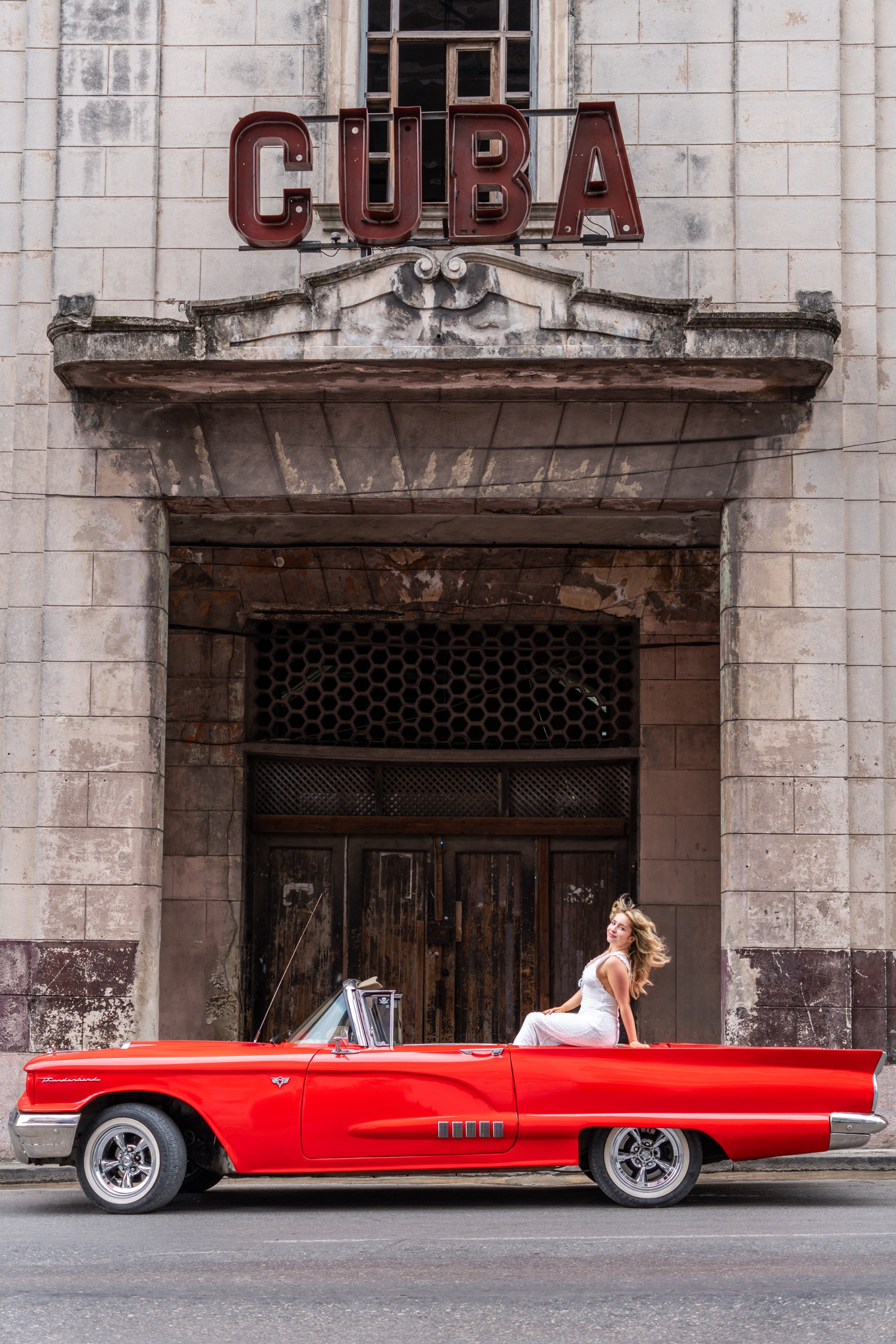
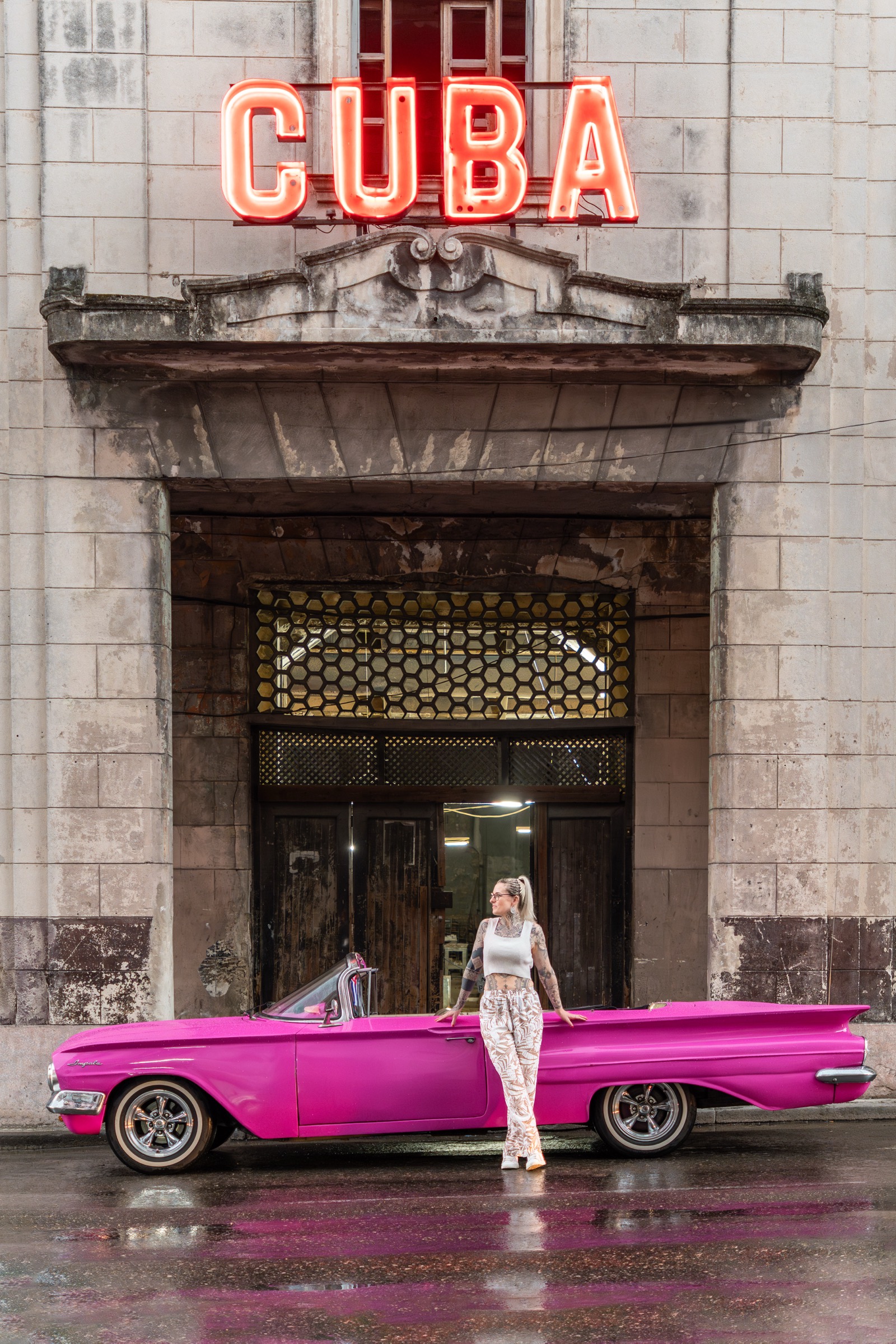
    N° 13 — Cine Cuba

    Cine Cuba

    A forgotten film palace.

    One of many abandoned neighborhood cinemas in Havana — a city that, during the 1950s, had nearly 150 of them, putting it among the most cinema-dense cities in the world. This building, originally called Cine Colonial, was a typical neighborhood cinema in the heart of Centro Habana, built on two levels with a total capacity of 900 spectators.

    Today the cinematic temple is far from any cultural activity. Locals say it spent a stretch as a martial arts and dance academy for the people of the area. Its architecture and the giant "Cuba" sign make it without a doubt one of the city's most photogenic abandoned facades — and the air feels authentic, far from the polished tourist routes of Old Havana.

    Photographer's note

    The neon sign turns on at night. If you can swing both visits, photograph the facade in late afternoon for the architecture, then come back after dark for the neon glow.

    Centro Habana · RooftopN° 14 / 16
    N° 14 — La Guarida

    La Guarida

    Cuba's favorite place for celebrities — from Queen Sofía to Beyoncé and Jay-Z.

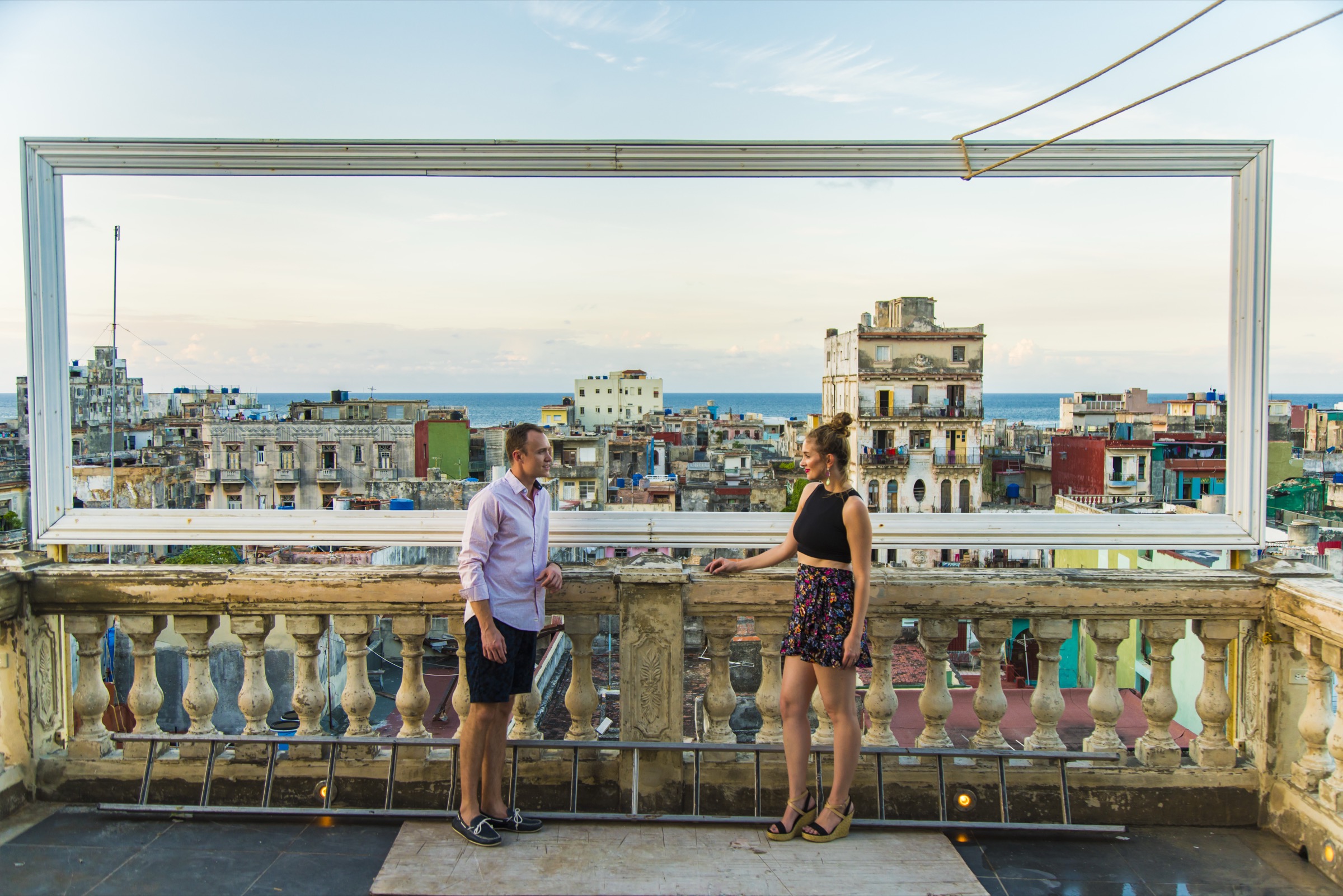
    You might mistake this for an Orson Welles set, but you are actually looking at the entrance to the most legendary private restaurant in Cuba. The grand staircase leads upward to an unmatched combination of culinary surprises, exquisite cocktails, and — my favorite part — an incredible view over Centro Habana.

    Set in a palace from the start of the 20th century, every square meter has been exquisitely decorated to combine authentic Cuban atmosphere with something close to theater. Each floor offers endless photo opportunities, but the two rooftops are the highlight.

    The main rooftop

    An enormous painted frame turns the city skyline into a piece of art — a concept I adore. You can have a drink or a full meal up here; in fact, this rooftop is where people come to eat when they cannot get a reservation downstairs.

    The upper terrace

    Up one more staircase, above the main rooftop, sits a smaller second terrace with a panoramic view. Bring your drinks up here for a more intimate space, especially good for golden hour.

    Photographer's note

    Reservations are essential. La Guarida books out weeks in advance, especially in high season. If you cannot get a table downstairs, head straight to the rooftop and you will still get an unforgettable experience.

    El Malecón · BoutiqueN° 15 / 16
    N° 15 — Malecón 663

    Malecón 663

    Where history meets horizon.

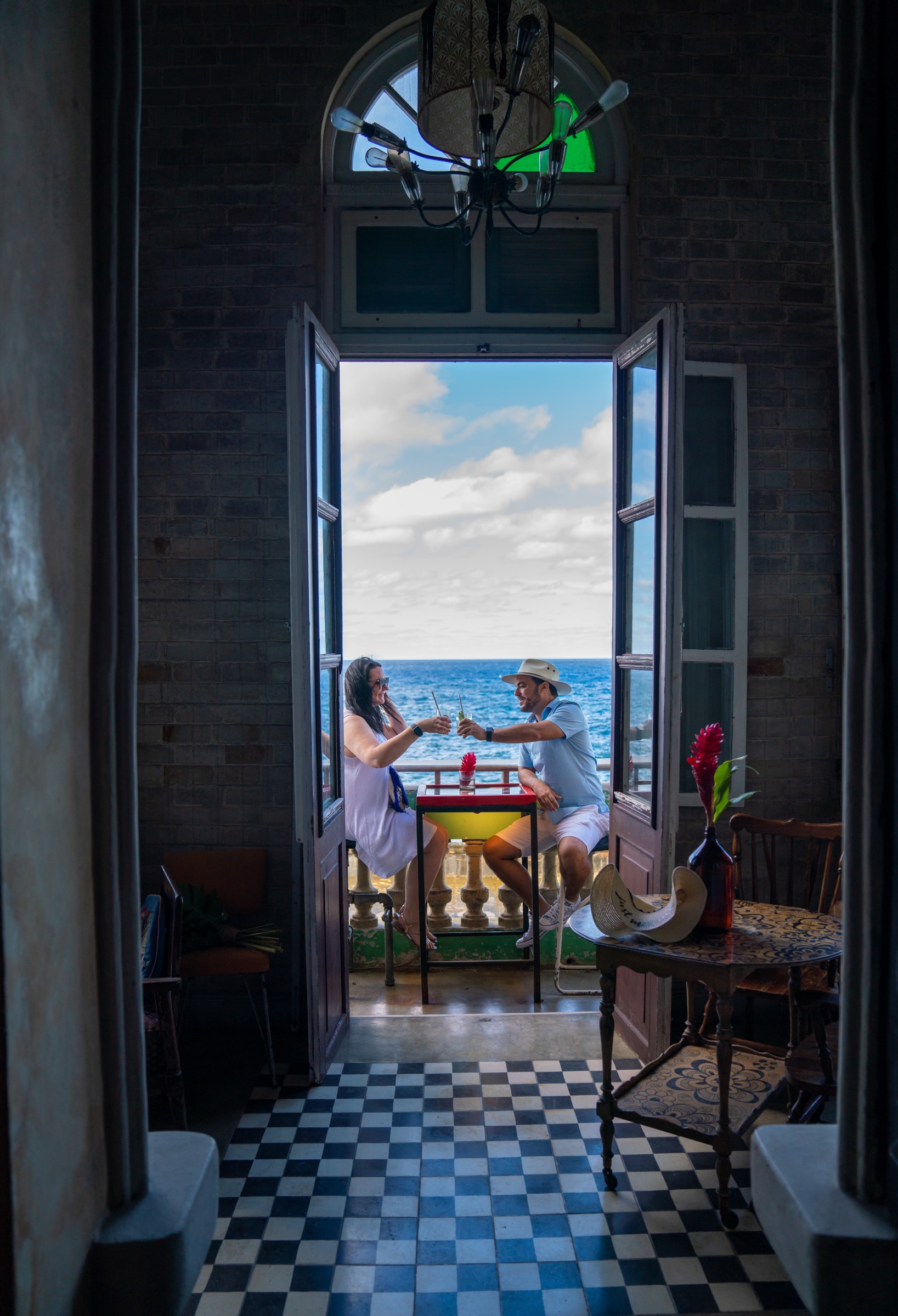
    Right on Havana's iconic seafront, Malecón 663 is a delightful blend of vintage charm and modern flair. A 20th-century house renovated in 2016, it stands out for its boutique style and a musical sensibility that runs through every floor.

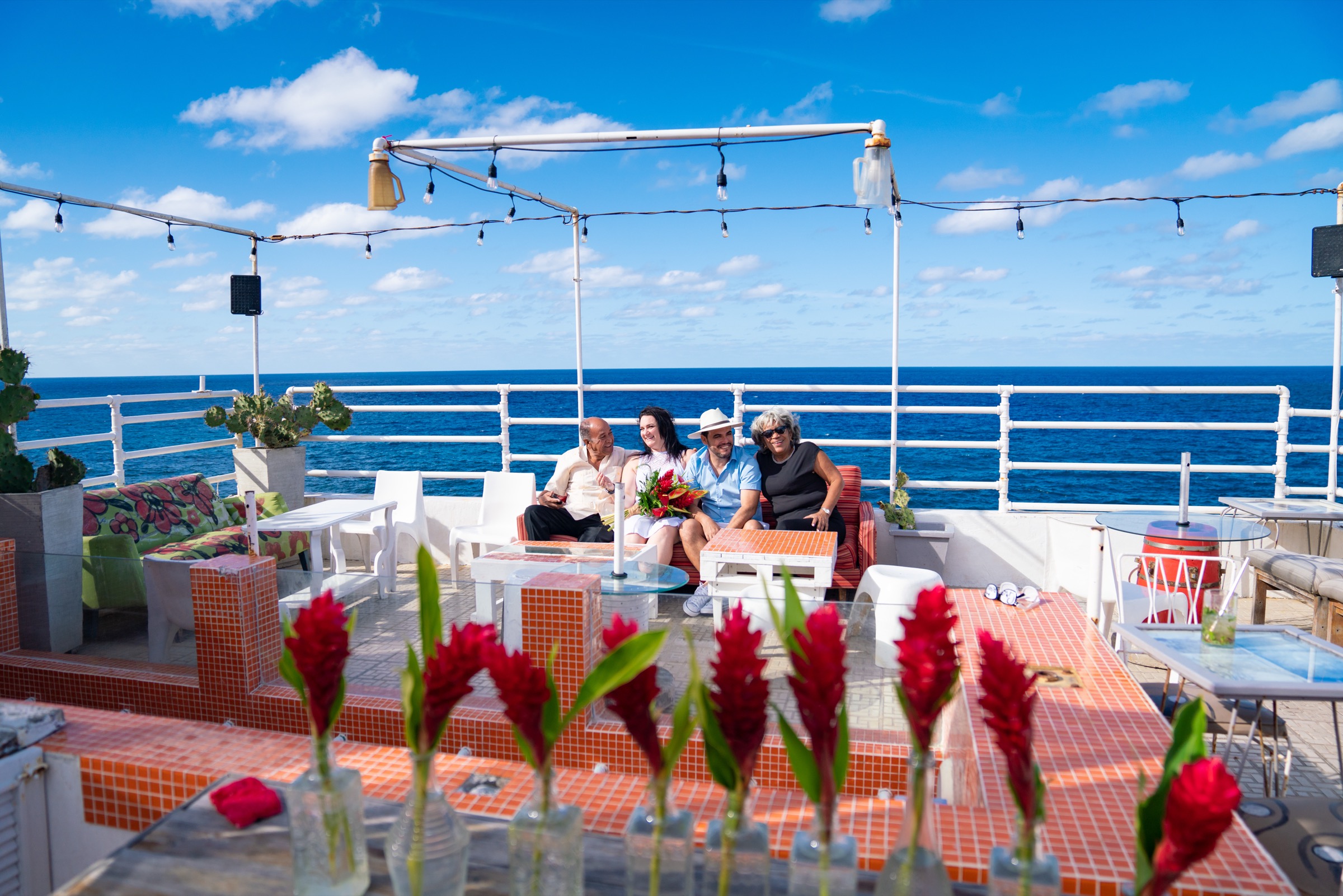
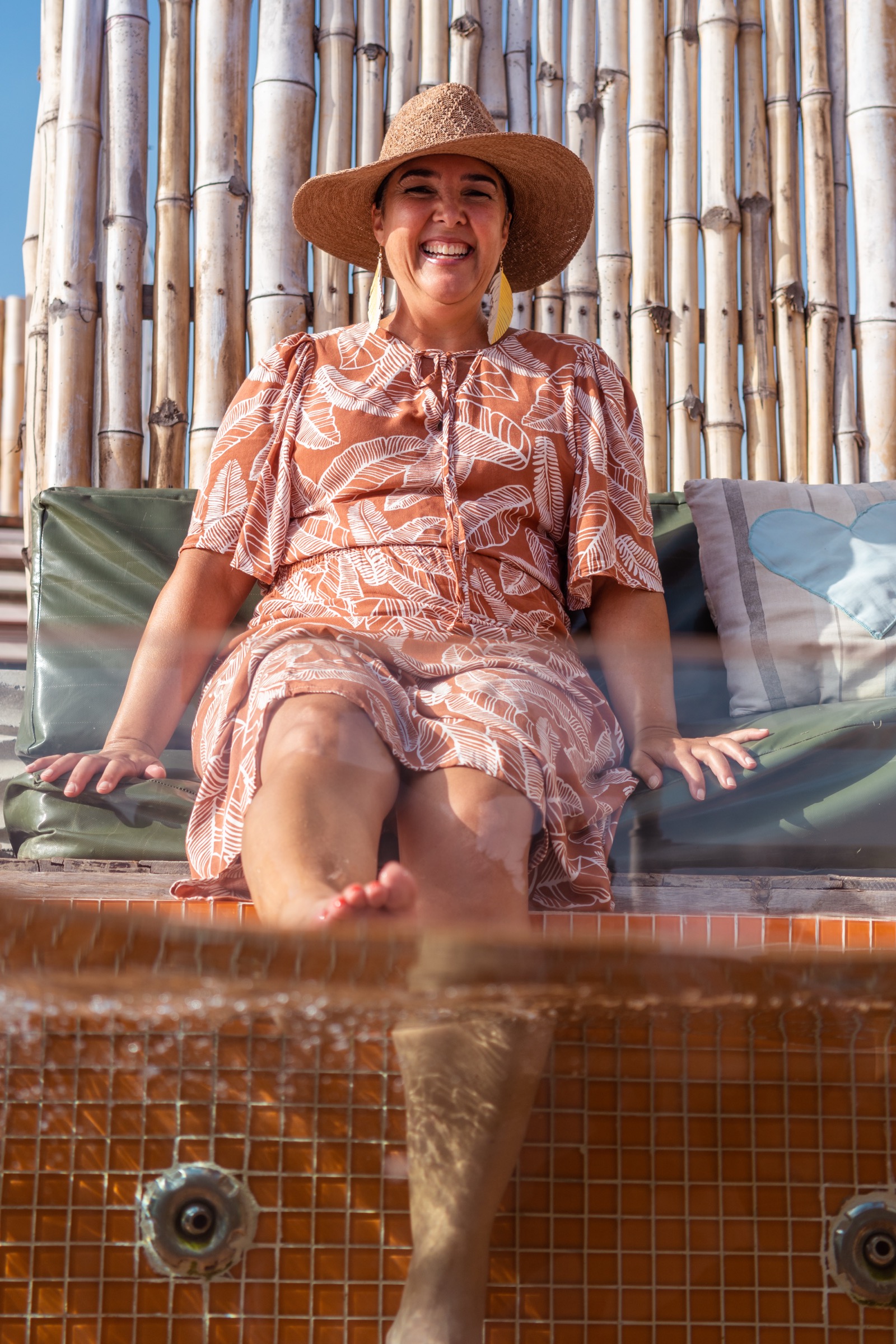
    The true highlight is the rooftop terrace. The colorful, modern outdoor space offers panoramic views over the ocean and the city, paired with delicious snacks, refreshing cocktails, and a vibrant lineup of live music ranging from Latin jazz to traditional Cuban rhythms. There is also a small jacuzzi terrace that doubles as a wonderful photo spot.

    Across all of its floors, from the artful lobby to the stylish second-floor bar, each space is its own little world — the result of a thoughtful collaboration with top street artists and designers that makes this private hostal feel less like a hotel and more like an ongoing art project.

    My favorite single trick

    Schedule the second-floor bar as the finale of a vintage-car tour. While your driver waits for five minutes outside, have your photographer head up to the second floor and shoot down at the classic car below. One of the cleanest, most cinematic compositions in the city.

    Centro HabanaN° 16 / 16
    N° 16 — Callejón de Hamel

    Callejón de Hamel

    Afro-Cuban Havana, two blocks long and unforgettable.

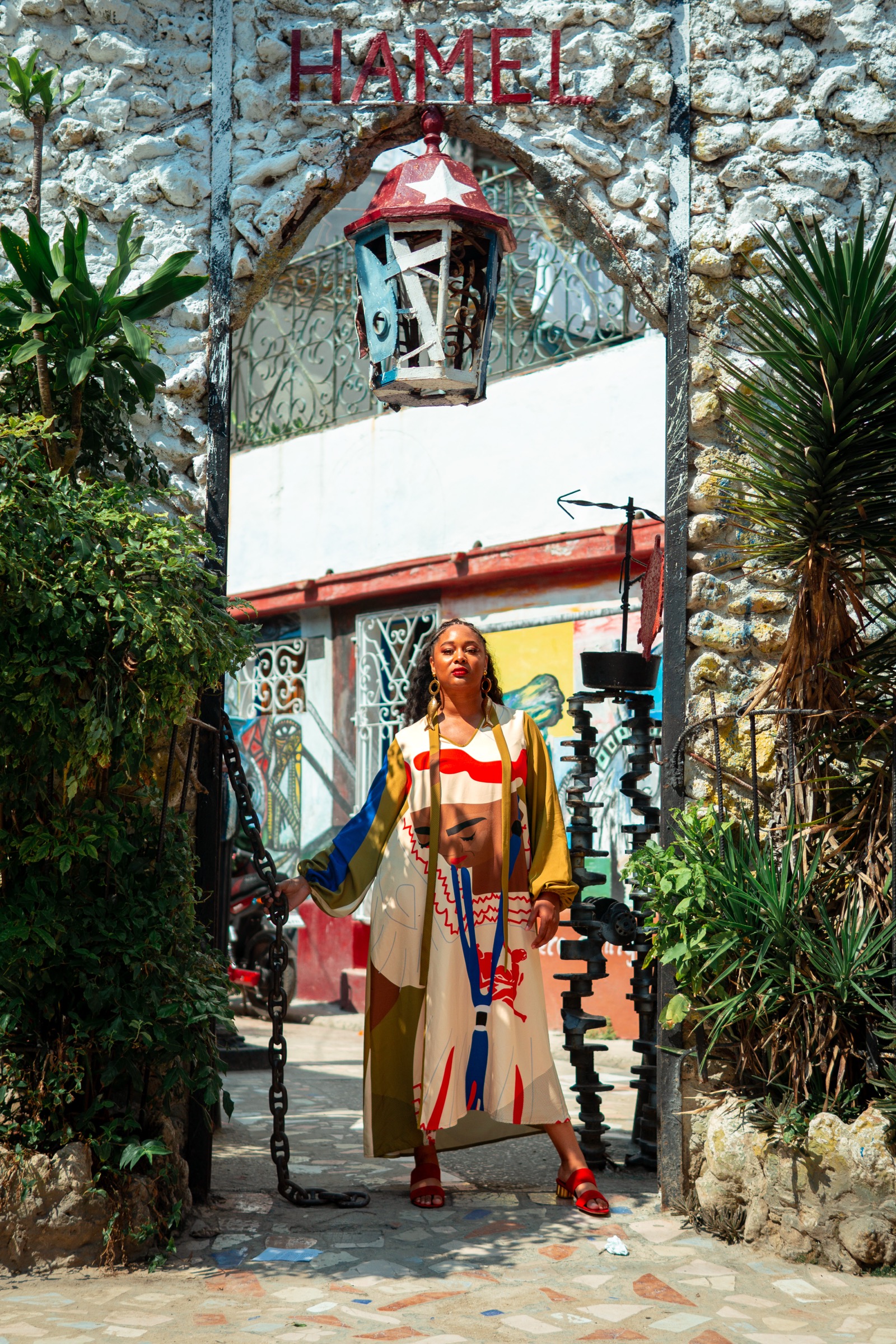
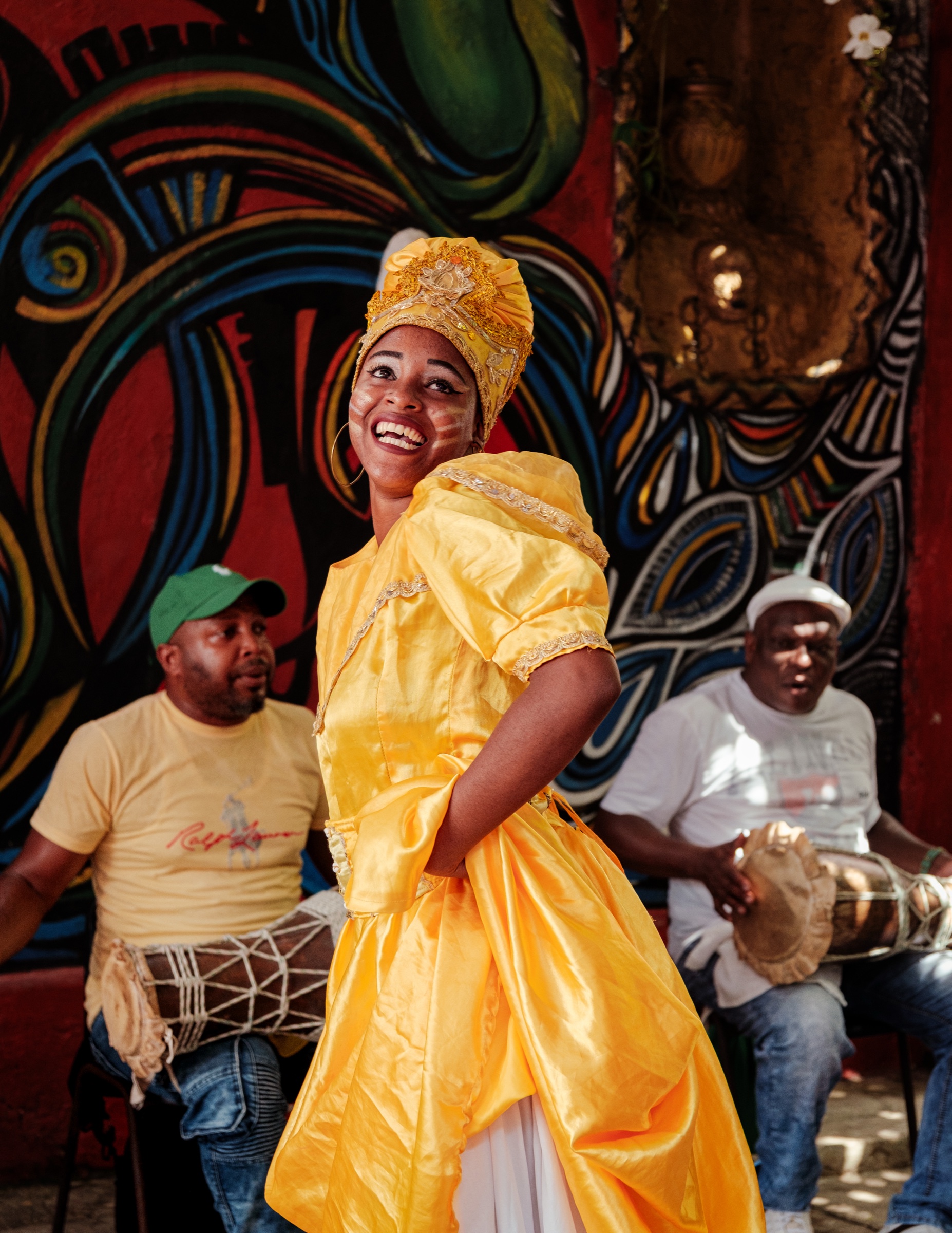
    In the late 1980s, the painter and sculptor Salvador González Escalona started painting the walls of a single side street in Centro Habana with bold murals celebrating Afro-Cuban religion, music, and history. Forty years later, Callejón de Hamel is the most concentrated piece of Afro-Cuban public art in the country — a two-block alley dense with painted walls, repurposed bathtubs turned into sculptures, hand-built shrines to the orishas of Santería, and quotes by Cuban writers and African philosophers carved into the surfaces.

    Time it for Sunday

    Every Sunday around noon, the alley hosts a live rumba performance. Drummers, dancers, and singers fill the small space, the crowd presses in close, and the whole place comes alive in a way that the still photographs do not fully capture. Arrive a little before noon to claim a spot, and bring small bills for the musicians.

    Photo angles

    The alley is narrow — a gift and a challenge. A wide lens (24mm equiv.) lets you fit the saturated walls behind a subject. Get low and shoot up at the more elaborate murals; they were painted to be experienced that way. The bathtub sculptures along the walls make wonderful frames for environmental portraits. During Sunday rumba, prioritize wide shots that include the crowd.

    Photographer's note

    Always ask before photographing performers up close, and tip the band whether or not you photograph them. The performance keeps the alley alive — it deserves to be supported, not just consumed.

    Jaimanitas, 20km westFINALE
    FINALE — Fusterlandia

    Fusterlandia

    Worth the drive — every time.

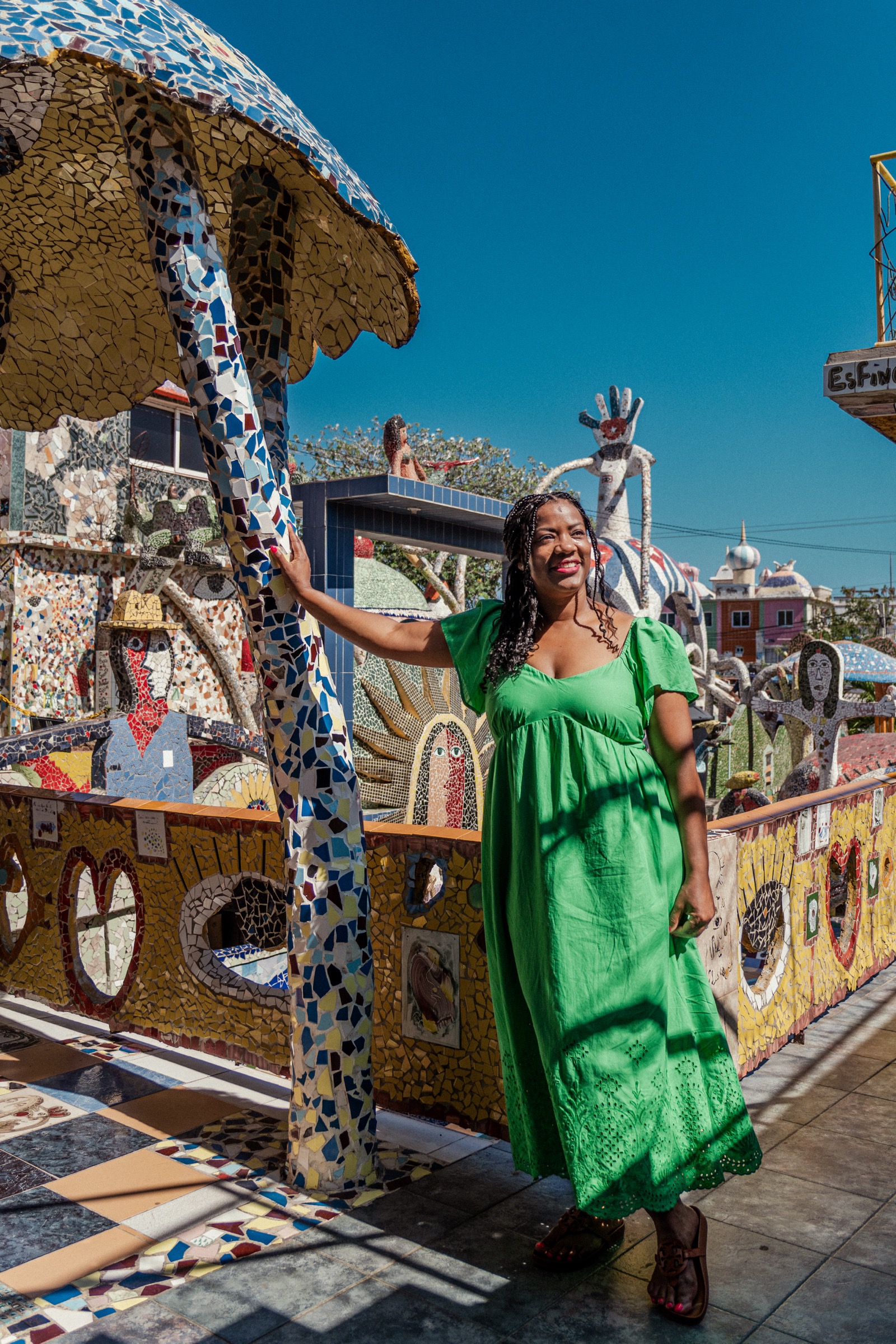
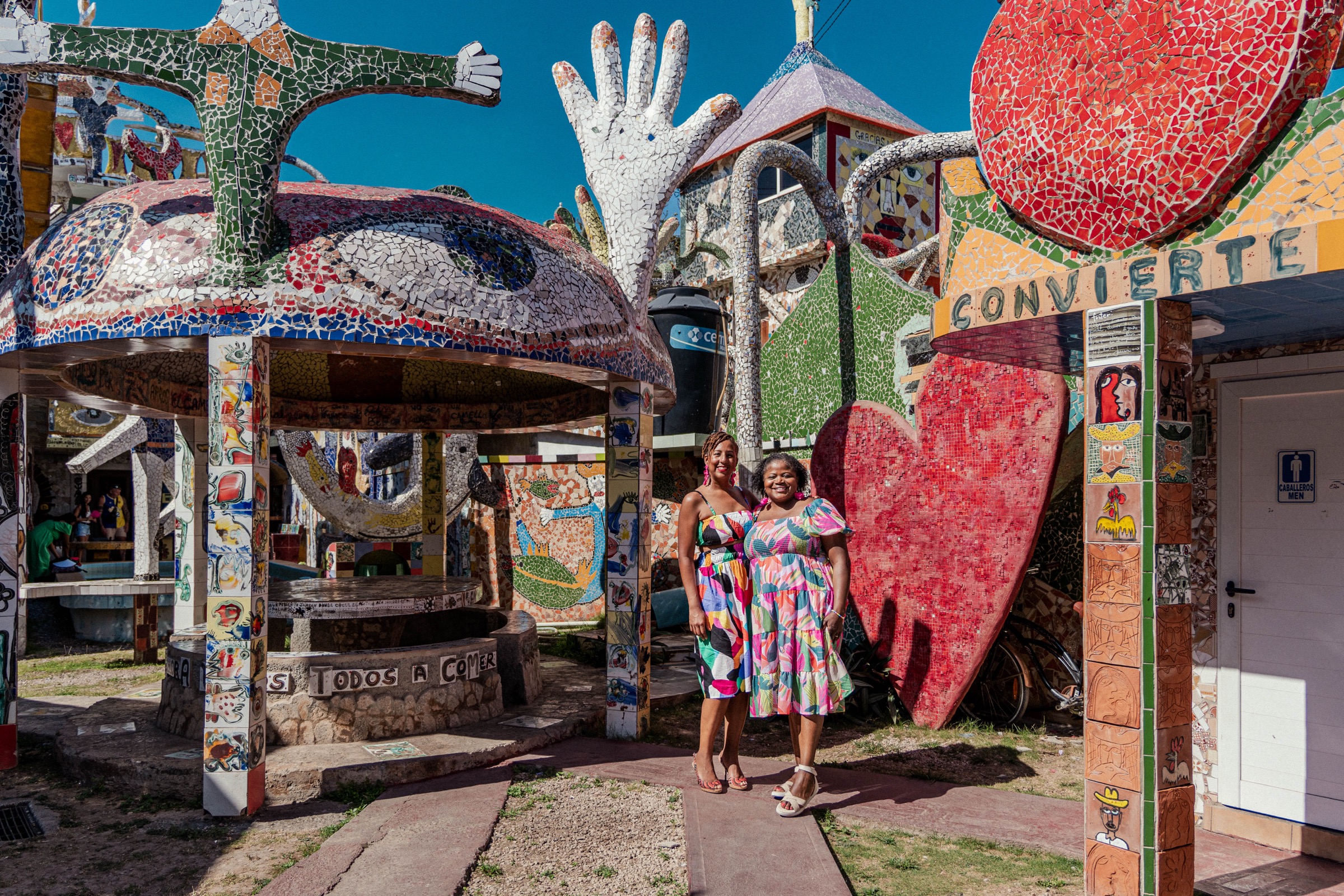
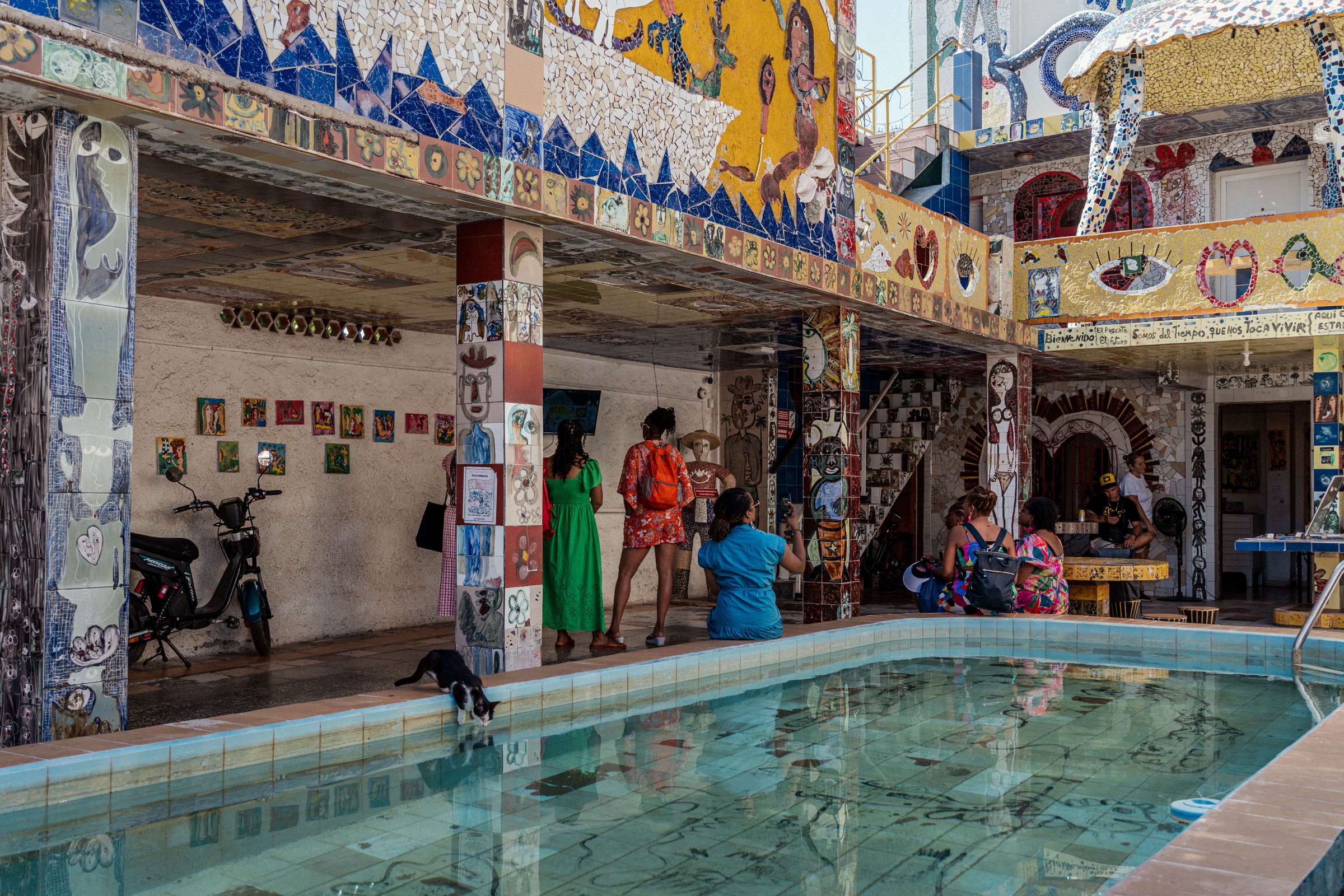
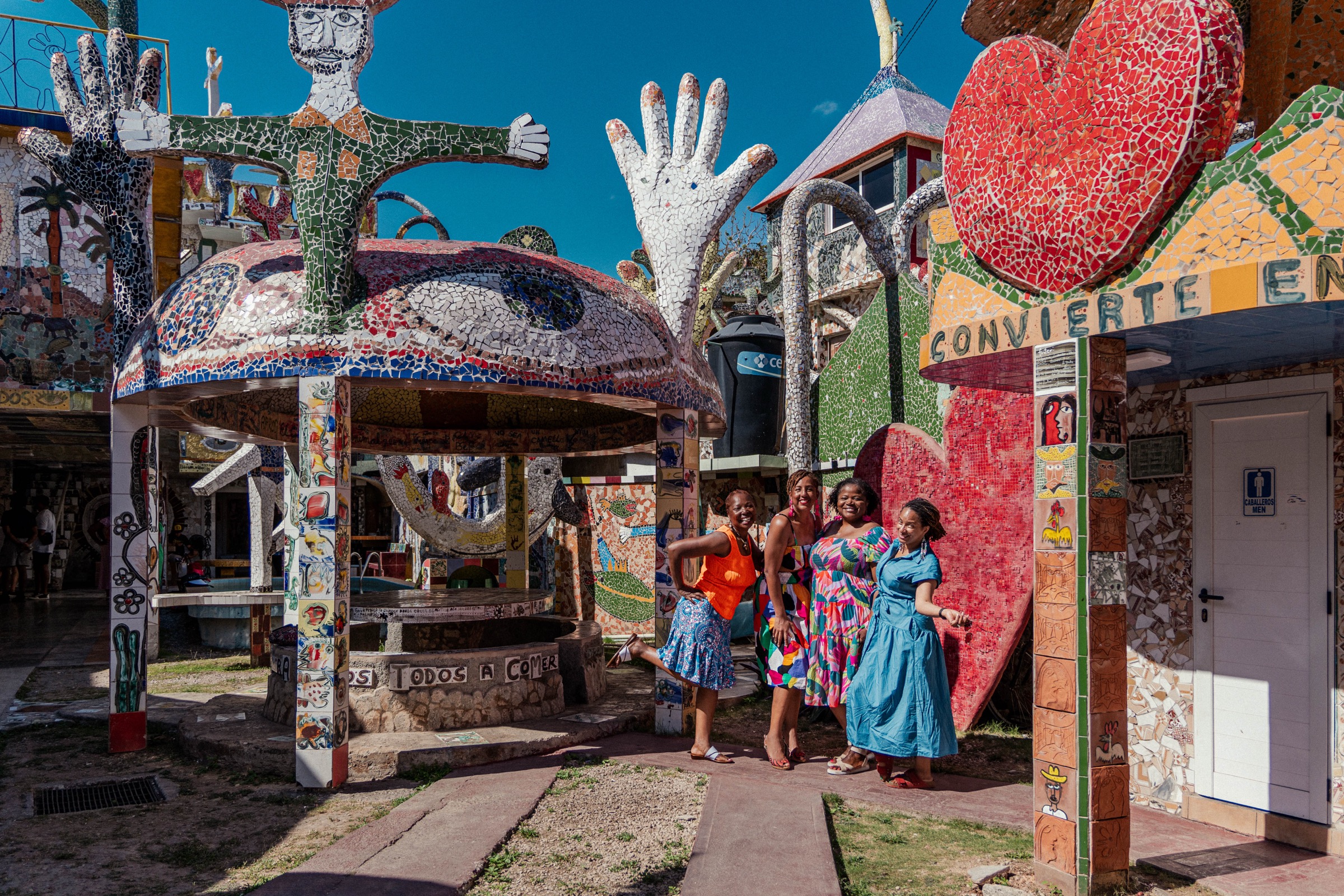
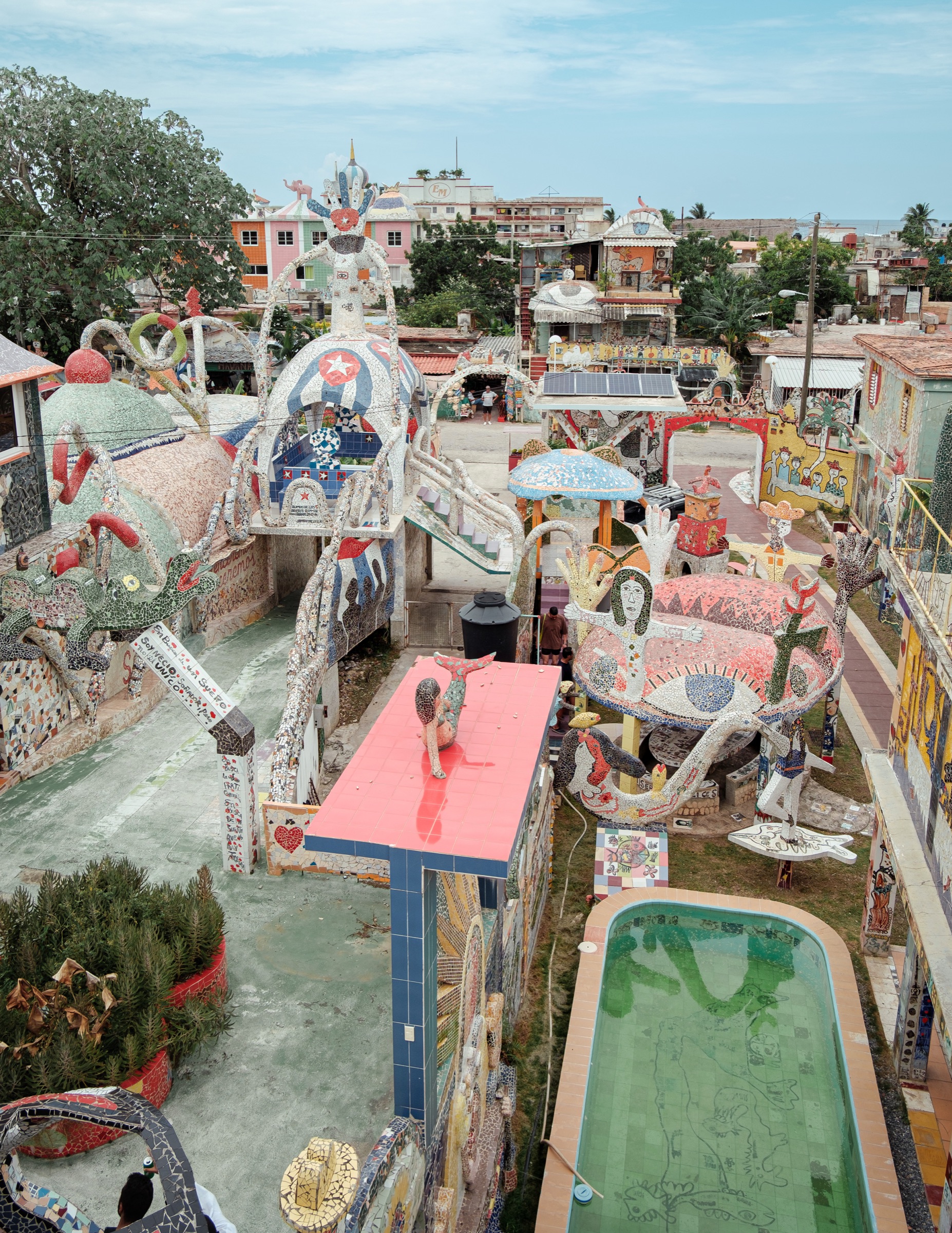
    Twenty kilometers west of Old Havana, in the fishing neighborhood of Jaimanitas, the artist José Fuster spent four decades covering his house, his neighbors' houses, the local school, the bus stop, and entire blocks of public space with hand-laid ceramic mosaics. The result is something between Gaudí's Park Güell and a fever dream: bright tile, towering whimsical sculptures, mosaic roosters, mosaic palm trees, mosaic everything.

    Fuster's foundation now keeps the project alive, and his house at the center of it all is open to visitors. There is no entry fee, but a donation is expected and well deserved. The interesting details are in the corners and the small backyards, not the obvious main facades.

    How to get there

    By classic car: about USD 40 round-trip from Old Havana, including waiting time. Negotiate beforehand. By taxi: about USD 20 each way via La Nave or yellow cab; arrange a return pickup — the neighborhood is residential and quiet.

    When to go

    Mornings are the best photographic window. The mosaics reflect light beautifully when the sun is still climbing, the tiles look luminous, and the crowds have not arrived yet. Aim for 9 to 10:30 AM.

    Photo angles

    Treat Fusterlandia like a series of small, dense compositions rather than one big landscape. Find a single tower, frame your subject against it, fill the background with mosaic. Then walk five steps and find the next one. The portraits that come out are unlike anything else in Havana — saturated, layered, unmistakably one place.

    Walk it with us

    This is the exact route our sessions follow.

    The spots you just read about are the ones we photograph guests in every week. Book a session and a Cuban Soul photographer walks the route with you — from Old Havana to Fusterlandia, at the right hour, in the right light.

    Chapter 08 · Etiquette & Cuban Spanish

    Small habits and a handful of phrases that will change your trip.

    Cubans are warm, direct, and quick to laugh. They are also — like anyone — happier when they sense that the visitor in front of them has bothered to learn a little about how things work. A few simple habits and twenty words of Spanish will open more doors than any guidebook can.

    Twenty words of Spanish.

    Cubans speak fast and drop a lot of consonants — the famous está, pronounced more like "ehtá." Don't worry. They will switch to slow Spanish or even English the moment they realize you are making the effort.

    Hola, ¿qué tal?Hi, how are you? — the all-purpose opener
    ¿Cuánto cuesta?How much is it?
    ¿Me puede ayudar, por favor?Can you help me, please?
    ¿Dónde está…?Where is…?
    ¿Puedo tomar una foto?May I take a photo?
    La cuenta, por favor.The bill, please.
    Soy fotógrafo / fotógrafa.I'm a photographer.
    Quédate con el cambio.Keep the change.
    Está bueno.It's good / It's all good.
    Asere, ¿qué bolá?Bro, what's up? — pure Havana slang

    Tipping, plainly.

    Cuba runs on tips. Wages in the formal economy are low, and the people who serve you, drive you, and pose with you depend on visitors to make the math work.

    Restaurants10% / 15%
    Bartenders, per drinkUSD 1
    Same bar, per roundUSD 2–3
    Classic-car driver (on top of hourly)USD 5–10
    Hotel housekeeping, per dayUSD 1–2
    Tour guides, half-day / full-dayUSD 5–10 / 10–20
    Musicians at your tableUSD 1–2 / person
    Costumed characters in Plaza de la CatedralUSD 1–3

    Photographing people, briefly.

    • Ask before photographing up close. A simple ¿Puedo tomar una foto? with a smile is enough.
    • Costumed posers expect a tip of USD 1–3 — pay cheerfully. It is their living.
    • Children only with a parent's explicit permission. The instinct you would apply at home applies here.
    • Don't photograph poverty for texture. Talk first; photograph second, if at all.

    What not to photograph.

    • Military personnel, police on duty, the inside of any government or party building.
    • Customs and immigration at the airport.
    • The presidential motorcade and security around official events.
    • Anywhere signed prohibido fotografiar or zona militar.
    Chapter 09 · Tips You Might Need

    Where I send friends.

    Good restaurants in Havana do not need someone on the street to bring them clients. If a friendly stranger insists on "a place his cousin owns," he is most likely earning a cut of your bill — and not from the best food your money could buy. Do a little research before you arrive.

    Eat

    In no particular order.

    RioMar
    @riomarrestaurantbargrill

    Great seafood with a lovely sea view, and the best pork ribs in town.

    Al Carbón
    @alcarbon.cuba

    Iván Rodríguez is one of the most famous chefs in Havana. Where I take foreign friends for grilled Cuban food. Try the Lechoncito ahogado.

    Chachachá
    @chachacha.havana

    A culinary gem loved by locals and visitors alike — rare combination. Delicious Latin dishes and inviting cocktails.

    Jama Asian Food
    @jama_asianfood

    Japanese-style in the heart of Old Havana. My go-to for sushi with friends. The cocktails are remarkable.

    La Guarida
    @laguaridahavana

    The most famous restaurant in Cuba, beloved by international celebrities, and the film set for Fresa y Chocolate. The hardest table to book on the island.

    Drink & Dance

    Nightlife, the real version.

    Yarini Habana
    @yarinihabana

    Amazing signature cocktails and live music.

    PaZillo Bar
    @pazillobar

    The best bartender in town and a remarkable house-made rum.

    Fábrica de Arte Cubano
    @fabricadeartecubano

    One of the coolest places on planet earth, period. Multi-room venue with music, exhibitions, theater, and bars. Arrive early — the line gets long.

    King Bar
    @kingbarhavana

    My favorite place to dance — which means my favorite place to go out.

    Fangio Habana
    @fangiohabana

    Incredible jazz nights and excellent food.

    Move & Know

    Getting around, safely.

    Classic Convertible
    USD 25 / hour

    Negotiate before climbing in, agree the route, tip USD 5–10 on top. The drivers are owners, not props — treat them as collaborators and your shots get better.

    La Nave
    Local taxi app

    Works like Uber. Download before you arrive — install is easier from home. Skip the cash haggle.

    Bicitaxi
    USD ~5

    Two-seater, anywhere around Centro Habana. More than a Cuban would pay, cheaper and more fun than a taxi for short hops.

    Habana Bus Tour
    T1 · T3

    Hop-on, hop-off. T1: Habana Vieja → Malecón → Plaza de la Revolución. T3: Centro Habana → Playas del Este (the closest beaches).

    Cigar warning
    Casas del Habano only

    Street sellers offering "great deals" are roughly as likely to sell you a fake box as a real one. Buy from the official "Casas del Habano" — fixed price, real cigars, receipt for customs.


    Day-trip from Havana

    If you ask me where to go outside Havana, my pick is Varadero — the most beautiful beach in the Caribbean and worth the two-hour drive each way, even for a day trip.

    Trinidad and Viñales are also fantastic, though you will want to spend a night or two to do either properly. Whatever else you take home from Havana, take home the rhythm. The city moves at its own pace, and the more you let yourself fall into it — slower mornings, longer lunches, music in the middle of the afternoon — the more it will reward you.

    One Last Thing

    The photographs will come. The stories will come.

    The thing that is harder to capture, and the thing every visitor remembers most, is the feeling itself. I hope this guide gets you closer to it. If anything is unclear — before, during, or after your trip — please reach out. I am genuinely happy to help.

    Hasta pronto, y bienvenidos a casa.
    — Manuel · @cubansoulpics