Havana, slowly
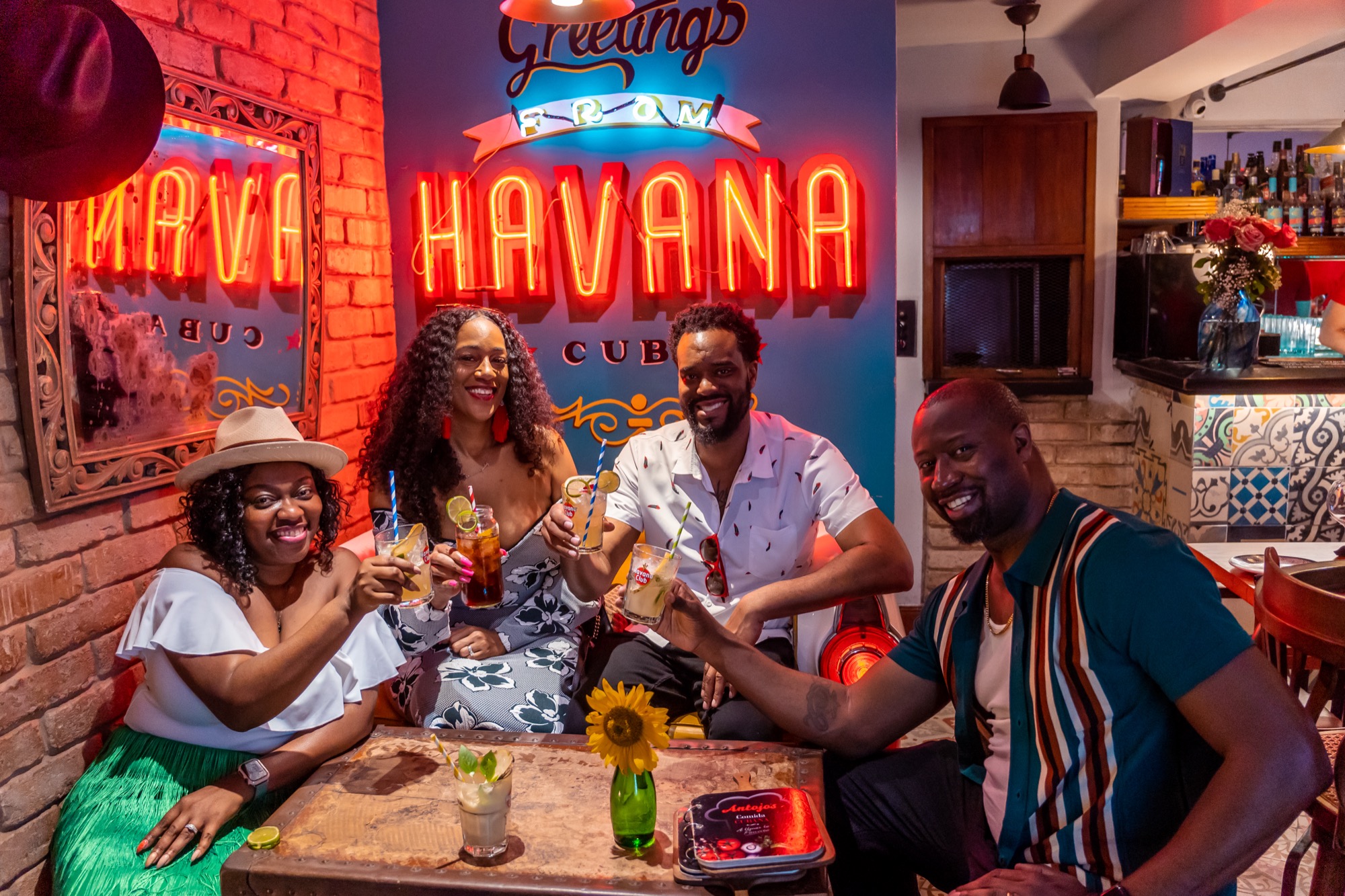
What to do in Havana at night
Where the music is real, where the rum is poured heavy, where to walk at midnight and where to take a taxi. A neighborhood-by-neighborhood map.
Read on →Avoiding tourist mistakes — and living like a local.
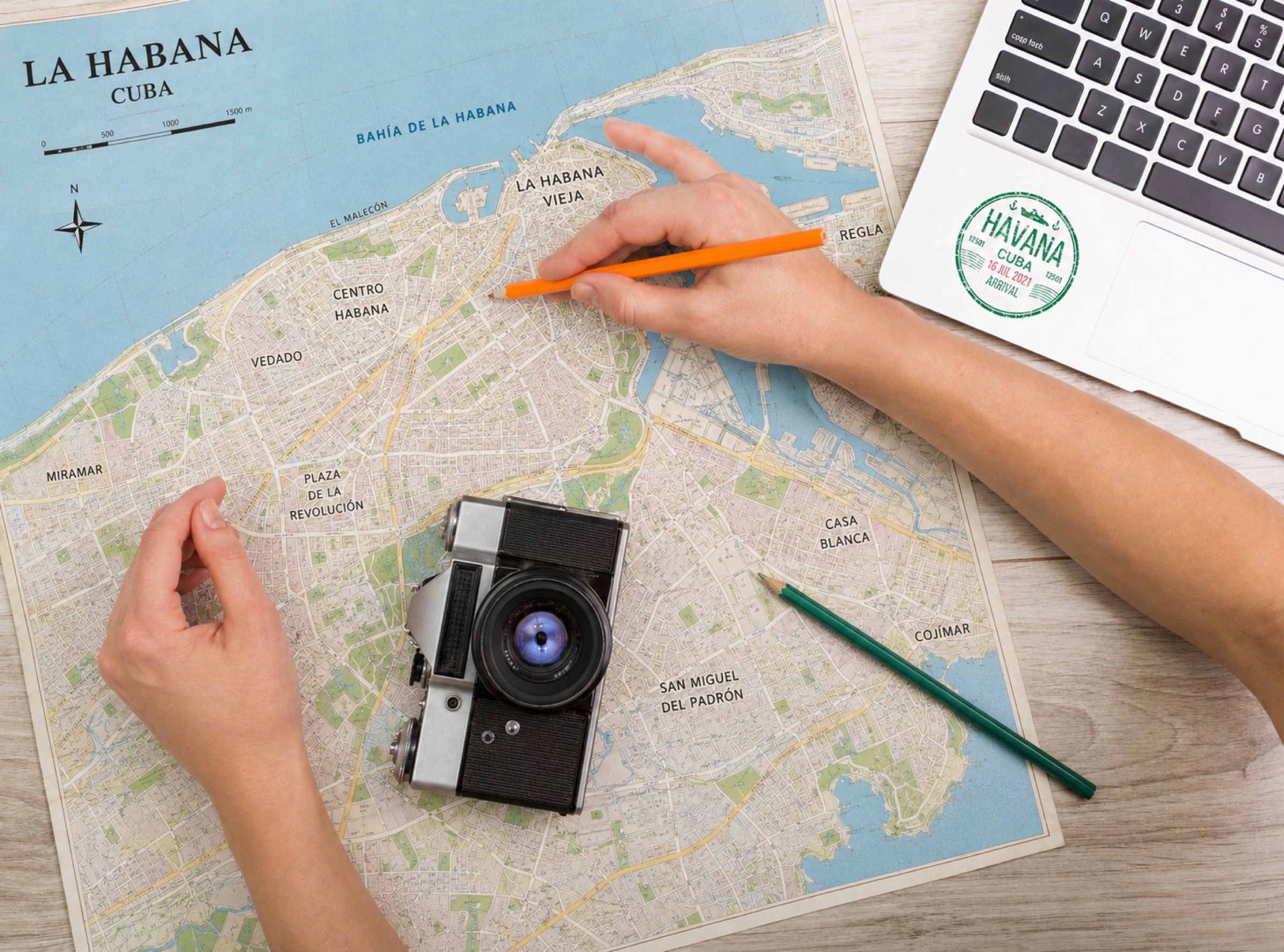
What to pack, what to skip, where the wifi works, which street hustles to wave off, and the one thing every traveler wishes they'd done on day one.
Pack lighter than you think. That's the first sentence and the most important one. Linen, cotton, comfortable shoes, sunscreen, a refillable water bottle, a power bank (blackouts are part of life here right now — keep your phone charged), a roll of small bills tucked separately from your main wallet. Leave the high-fashion stuff at home — the city eats it.
The rest of the trip is mostly small adjustments — wifi, money, taxis, the street hustles to wave off, where to actually walk. Here's the field guide we send first-timers in advance.
Wifi is improving but still patchy. Buy an ETECSA card from the airport or a hotel and use it sparingly; you came here to be off your phone for a week, take the gift. Most casas now have decent wifi in the common area. Most paladars do not. Plan accordingly — and let the people back home know you'll be quieter than usual.
Bring all the cash you'll need, in dollars or euros, in mixed denominations. Cards don't work, so plan to pay for everything in cash. (We wrote a longer post on this; the short version is: bring more cash than you think.)
Walking is the city's preferred mode of transportation. After that, it's private cabs — the yellow ones and the older cars alike are run by their drivers, not the state, so there's no real meter. Agree on the price before you hop in, every time. The vintage convertibles are a tourist activity that doubles as a working taxi, and the Casablanca ferry crosses the bay for a few cents.
Don't rent a car unless you have to. Driving in Havana is a sport for the locals. Driving outside Havana is fine but largely unnecessary — the country is well set up for hired drivers, and a driver doubles as a guide.
“The city eats high-fashion. Pack like you mean it.”
Walked the Malecón at sunset. Not on the way somewhere else. Not with a coffee in hand. Just walked. The seawall introduces the city to you in a way no other activity does — the breeze, the light, the fishermen, the music drifting from windows behind you. Everything that comes next makes more sense after that walk.
Show up rested. Eat breakfast on day one even if you're tempted to skip it. Drink water; it's hot, and the city is on your feet. Be patient with the things that take longer than they would at home — the line, the wait at the restaurant, the band that starts forty-five minutes late. The slowness is part of the trip. So is the part where you look up, six days in, and realize you've stopped checking your watch.
Espresso is sixty minutes in a classic convertible — the Malecón, three or four stops with the right light, and you back where we found you with the breeze still in your hair. The easiest yes on a busy itinerary.
See the Espresso session →Where the music is real, where the rum is poured heavy, where to walk at midnight and where to take a taxi. A neighborhood-by-neighborhood map.
Read on →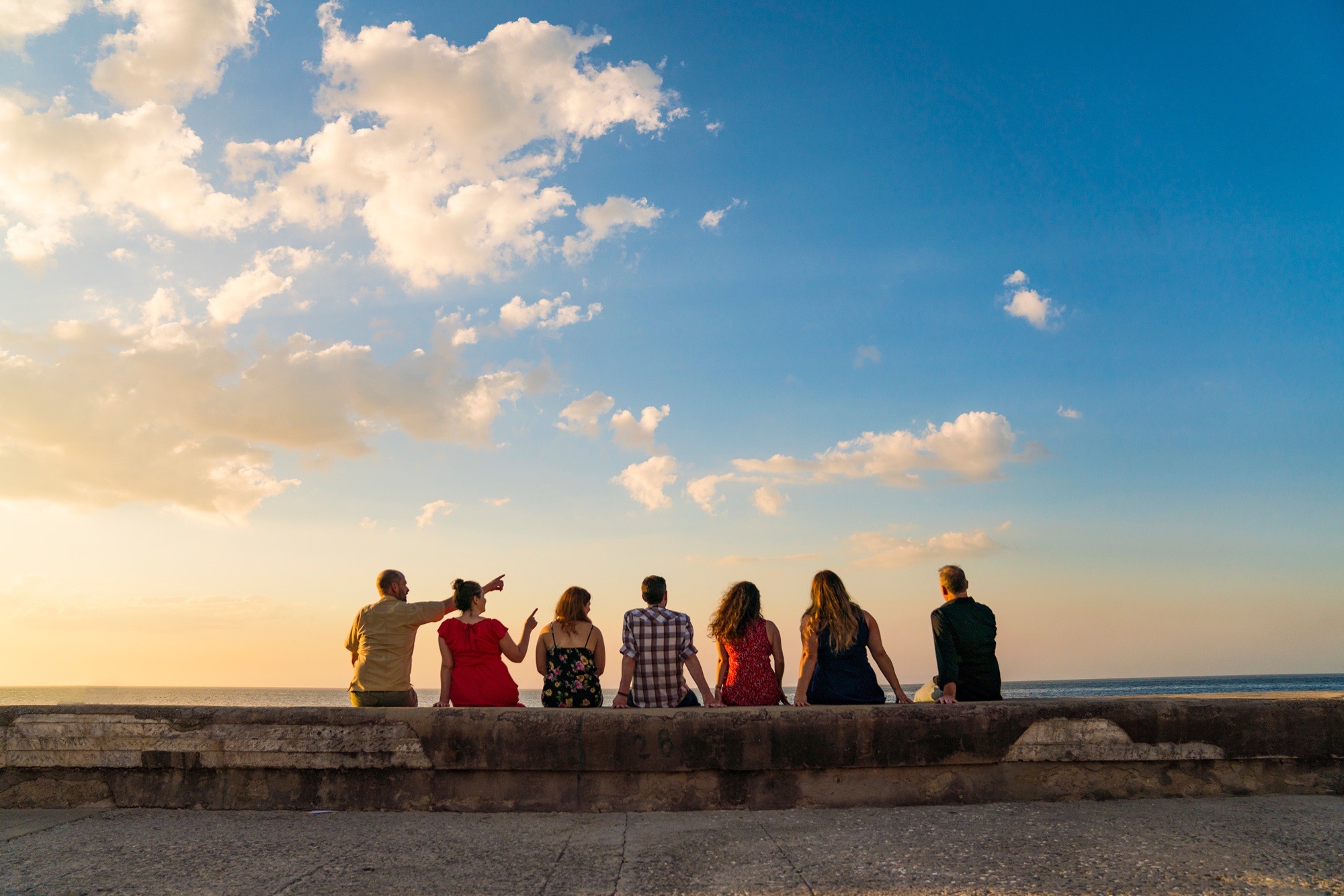
Skip the bus tour. Walk the Malecón at golden hour, find the right paladar in Centro, take the ferry to Casablanca, and let the city set the pace.
Read on →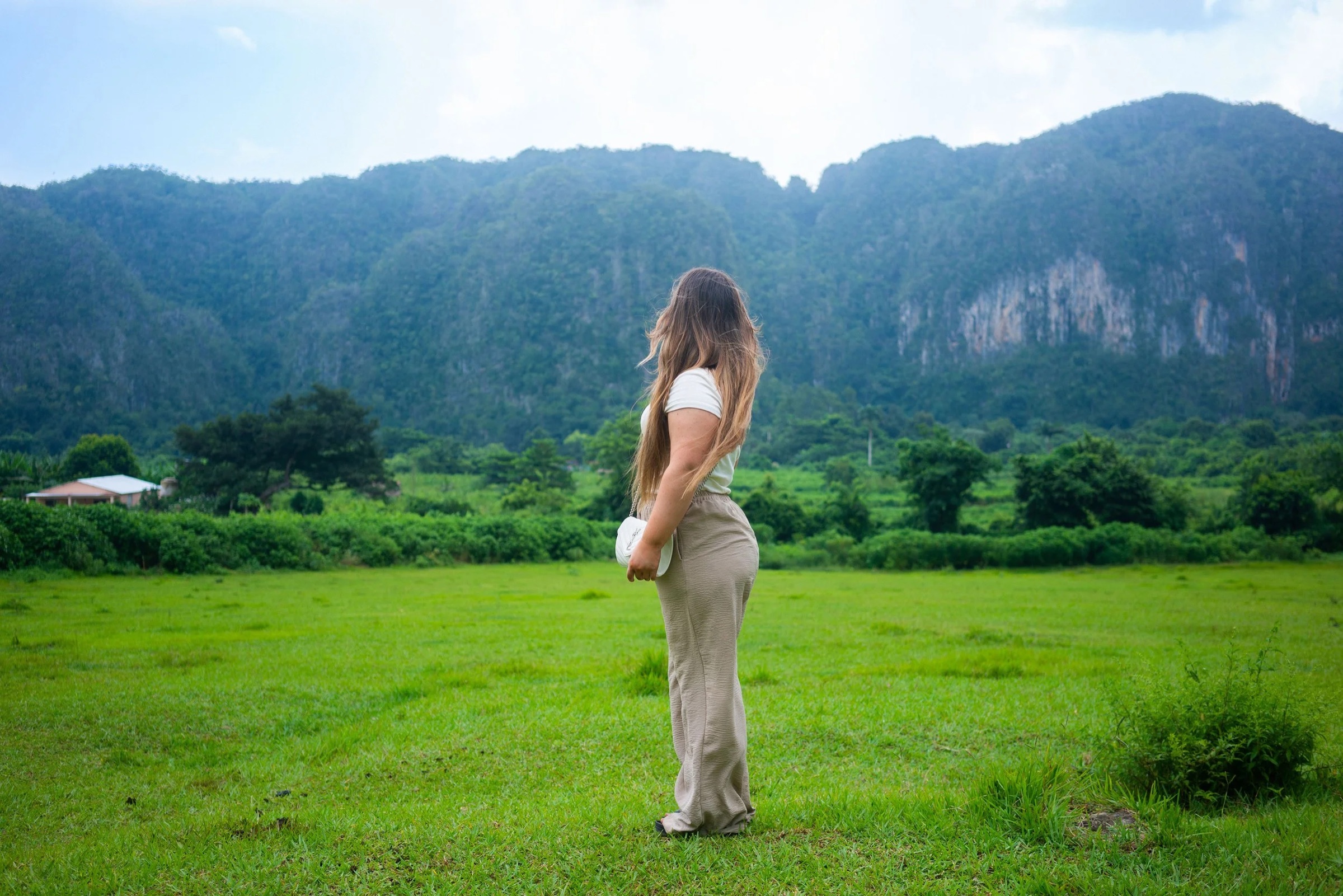
Jurassic mountains, red earth, thatched drying barns, and the tobacco every cigar maker on earth envies. A love letter to the valley we drive to before dawn.
Read on →Reading is good. Walking is better. Book a session and let one of us walk you through the city.