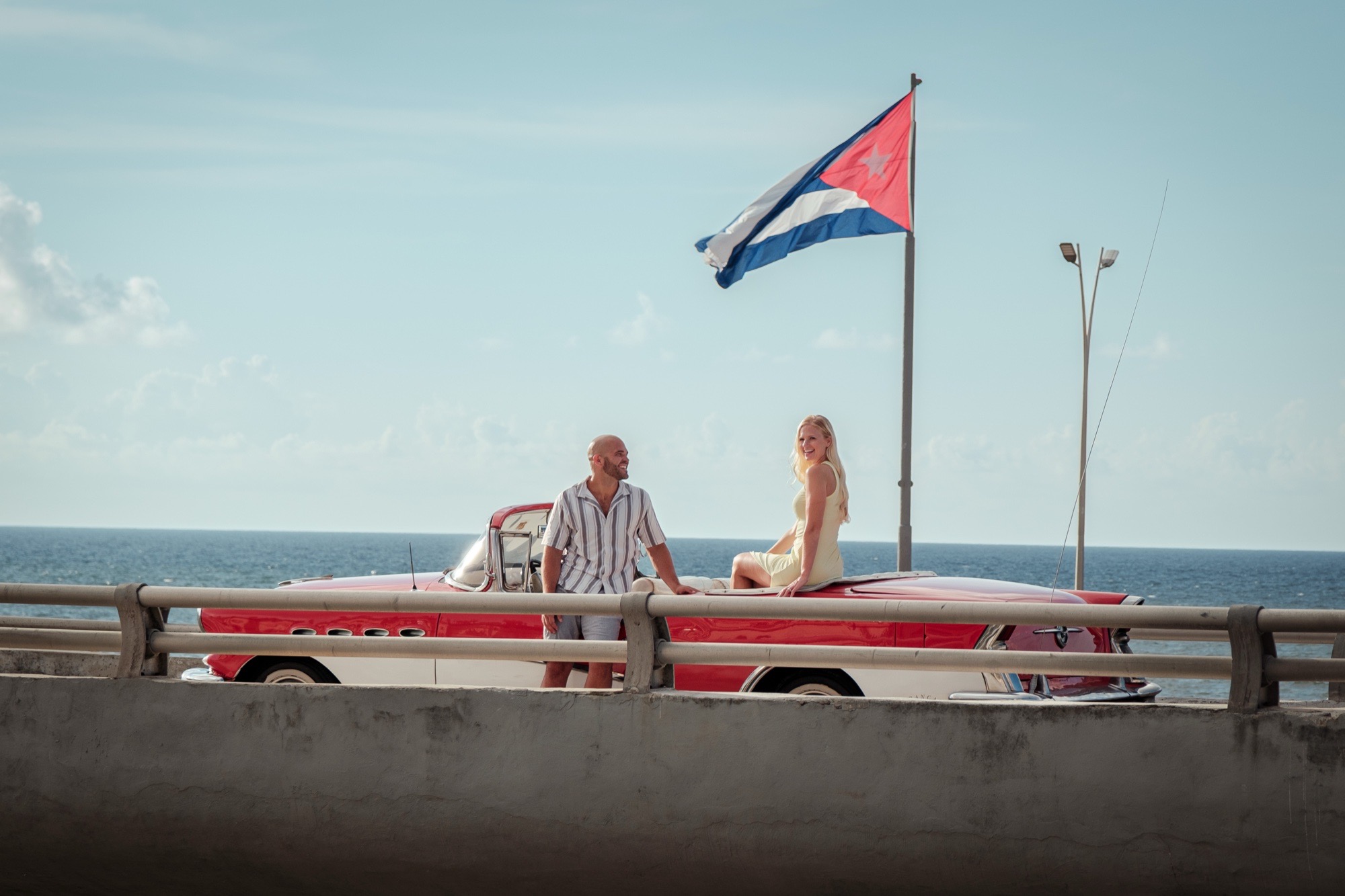
Practical
Everything you need to know before your photoshoot in Havana
Wardrobe, weather, what we bring, what you bring, who pays for the mojitos. The full pre-flight rundown for first-time guests.
Read on →
How to get your Cuba visa as a US traveler in 2026 — the e-visa, the travel category, the D'Viajeros form, and the small things that delay people at the gate.
US travelers can absolutely come to Cuba. They just can't come as tourists. The good news is that "tourist" is a label, not a fence — the visa machinery is straightforward once you know where to put what, and the whole thing can be done from your kitchen table in about twenty minutes spread across two evenings.
Here's the order it happens in.
The US government authorizes twelve categories of travel to Cuba. You're not picking your favorite — you're picking the one that honestly describes what you're going to do. For most independent travelers, that's "Support for the Cuban People."
The Support category isn't a workaround. It was designed exactly for what most thoughtful travelers do anyway: stay at family-run guesthouses, eat at private restaurants, hire local guides and photographers, buy from local artisans. Money lands in Cuban hands, not state hands. We design our sessions around exactly this principle, which means booking with us is itself part of the qualifying activity.
Cuba switched from paper tourist cards to an electronic visa system in 2024. You apply online, pay your fee (typically $50–100 USD depending on where you apply), and receive a confirmation. Apply at least three to four weeks before your trip — processing is fast most of the time, and slow at exactly the moments you'd rather it not be.
Save the confirmation as a PDF, screenshot it, and email it to yourself. You don't want to be hunting for it on airport wifi at 6 AM.
“Money landing in local hands is what the category was designed for. It also happens to be the better trip.”
This is separate from the visa and trips up first-timers. Within 72 hours of your flight, complete the D'Viajeros form online. It's a customs and health declaration, linked to your passport, and it generates a QR code that immigration scans on arrival. Screenshot the QR code. Print it if you can. Wifi at Havana airport is unreliable, and you do not want to be searching for signal in the customs line.
This catches more travelers than any other detail: US-issued debit and credit cards do not work anywhere in Cuba. No ATMs, no card readers, no exceptions. Bring all the cash you'll need, in US dollars or euros (euros convert at a slightly better street rate). Plan for $100–150 per person per day. Bring a clean stash of $200 separate from your daily wallet for emergencies. The travelers who needed it were always glad it was there.
The visa part takes a week to plan and an afternoon to do. Once you've landed, the rest of the trip is the part you came for — and our team is on this side of immigration, ready to walk with you.
A small-group photo walk is exactly the kind of local, independent activity the Support category was built for. Two hours through Habana Vieja with one of our photographers — from $59 per person.
See the Havana Social Club →Wardrobe, weather, what we bring, what you bring, who pays for the mojitos. The full pre-flight rundown for first-time guests.
Read on →
Daily breakdowns, what cash actually buys, the exchange-rate trap, and the three small mistakes that cost first-timers the most.
Read on →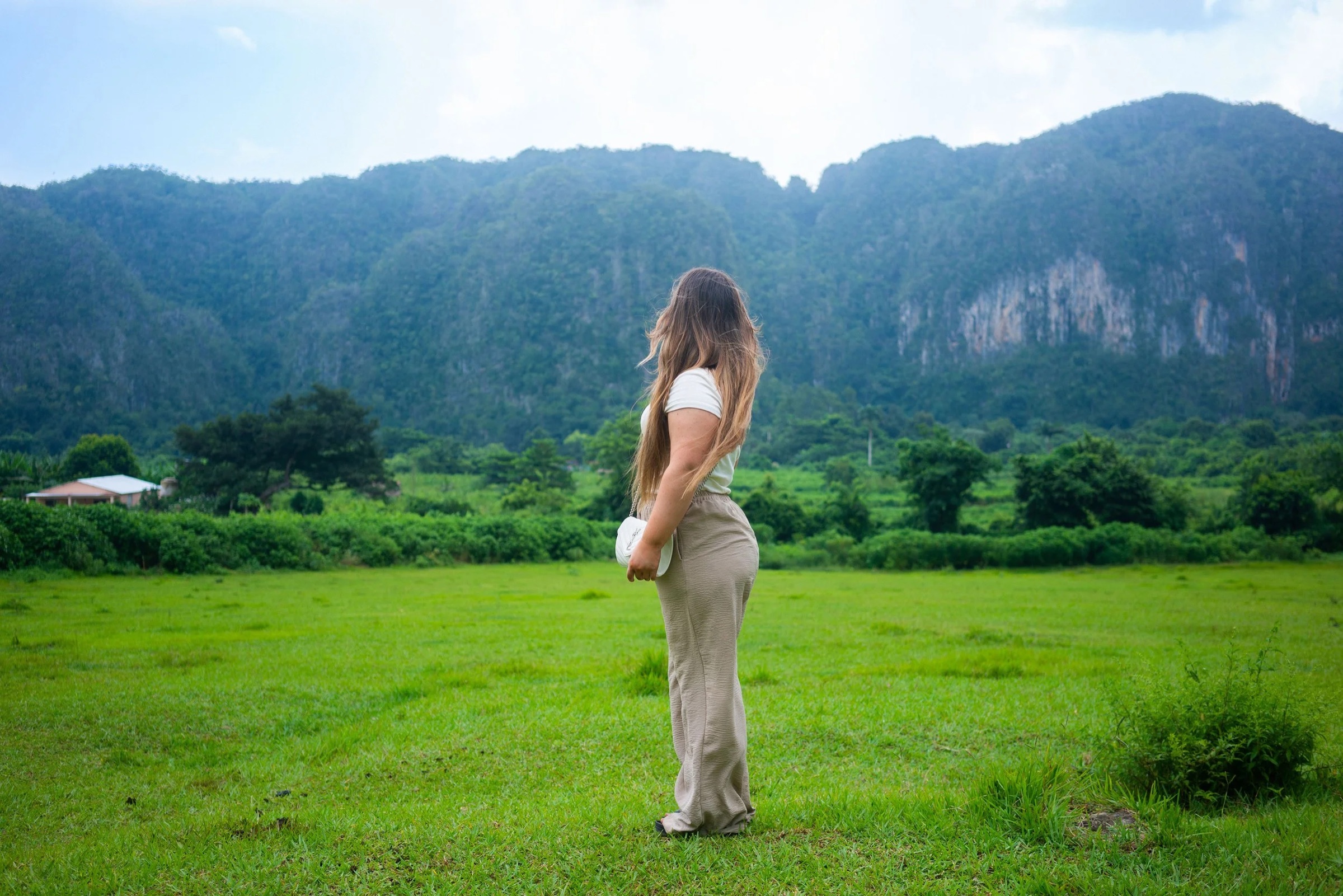
Jurassic mountains, red earth, thatched drying barns, and the tobacco every cigar maker on earth envies. A love letter to the valley we drive to before dawn.
Read on →Reading is good. Walking is better. Book a session and let one of us walk you through the city.