Havana, slowly
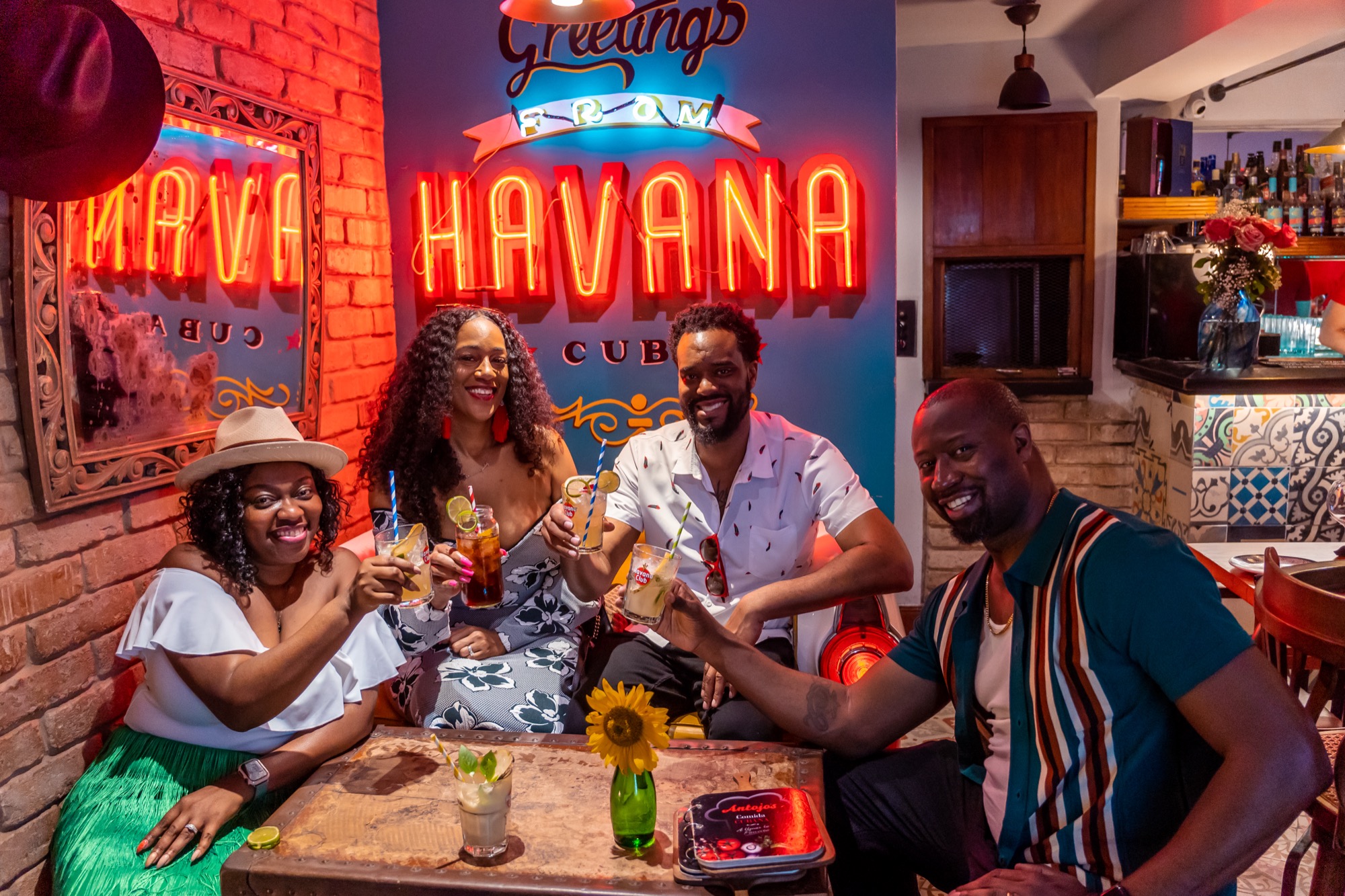
What to do in Havana at night
Where the music is real, where the rum is poured heavy, where to walk at midnight and where to take a taxi. A neighborhood-by-neighborhood map.
Read on →A guide to exploring the heart of Cuba.
Skip the bus tour. Walk the Malecón at golden hour, find the right paladar in Centro, take the ferry to Casablanca, and let the city set the pace.
There are ten things every traveler ends up doing in Havana, and another ten the city quietly arranges for you on top of those. The first list looks like the guidebook. The second list is the one that matters. Both deserve their day.
Here's our version of the first list — not in any order, because Havana is not a checklist.
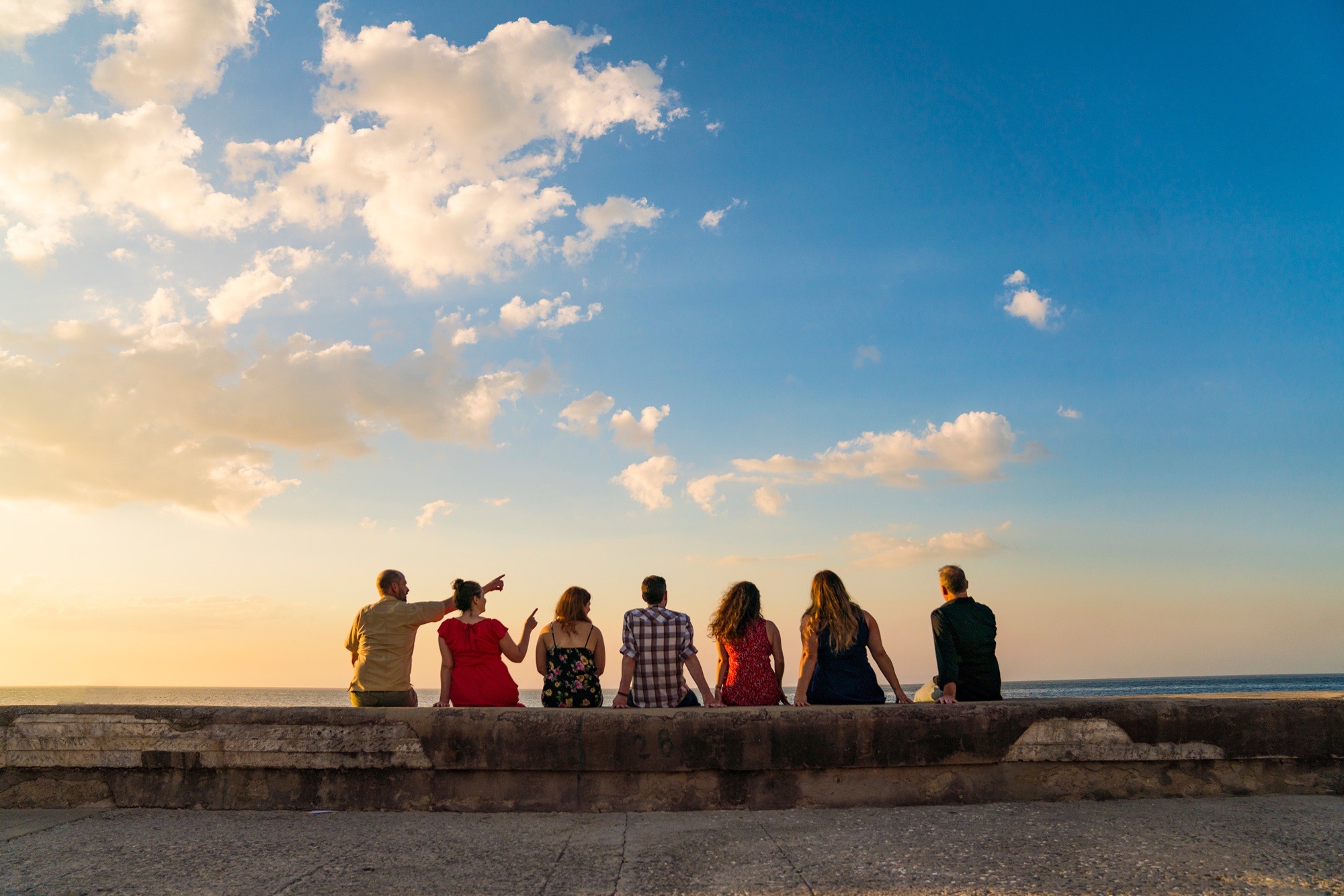
The five-mile seawall is the city's spine and its public living room. Go an hour before sunset, walk west from the Hotel Nacional toward Vedado, and watch the city change color. Bring small bills if a fisherman offers you one of his catches.
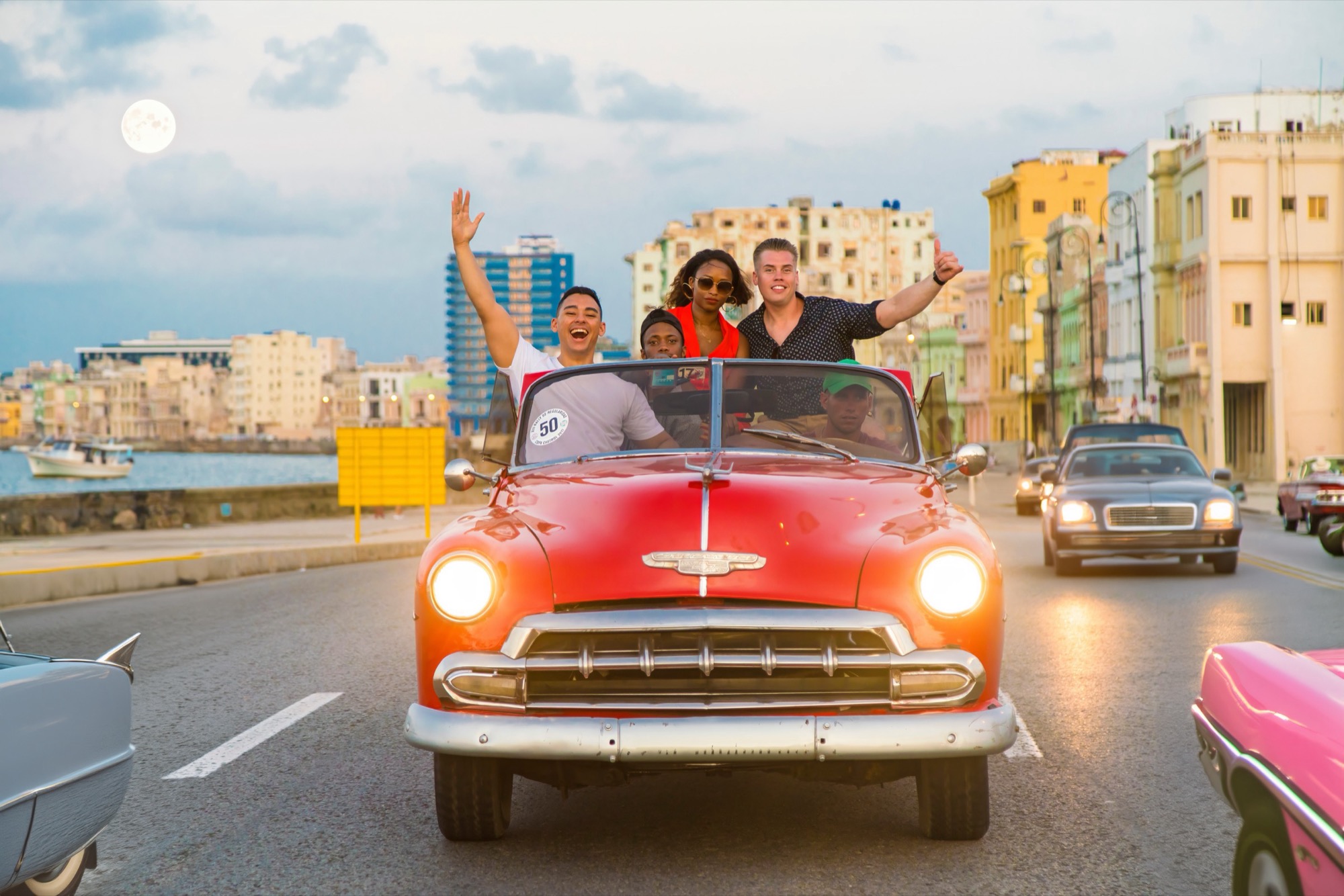
The vintage convertibles are not a tourist trap — they're a working part of the local economy and an honest way to see a city built before traffic. Negotiate the price before you climb in. Bring a scarf if the wind matters to you.
The best paladares — privately owned restaurants — are family kitchens scaled up. La Guarida, San Cristóbal, El Cocinero, La Vitrola. Reserve in advance; the day-of seats go to friends-of-friends who happened to be passing.
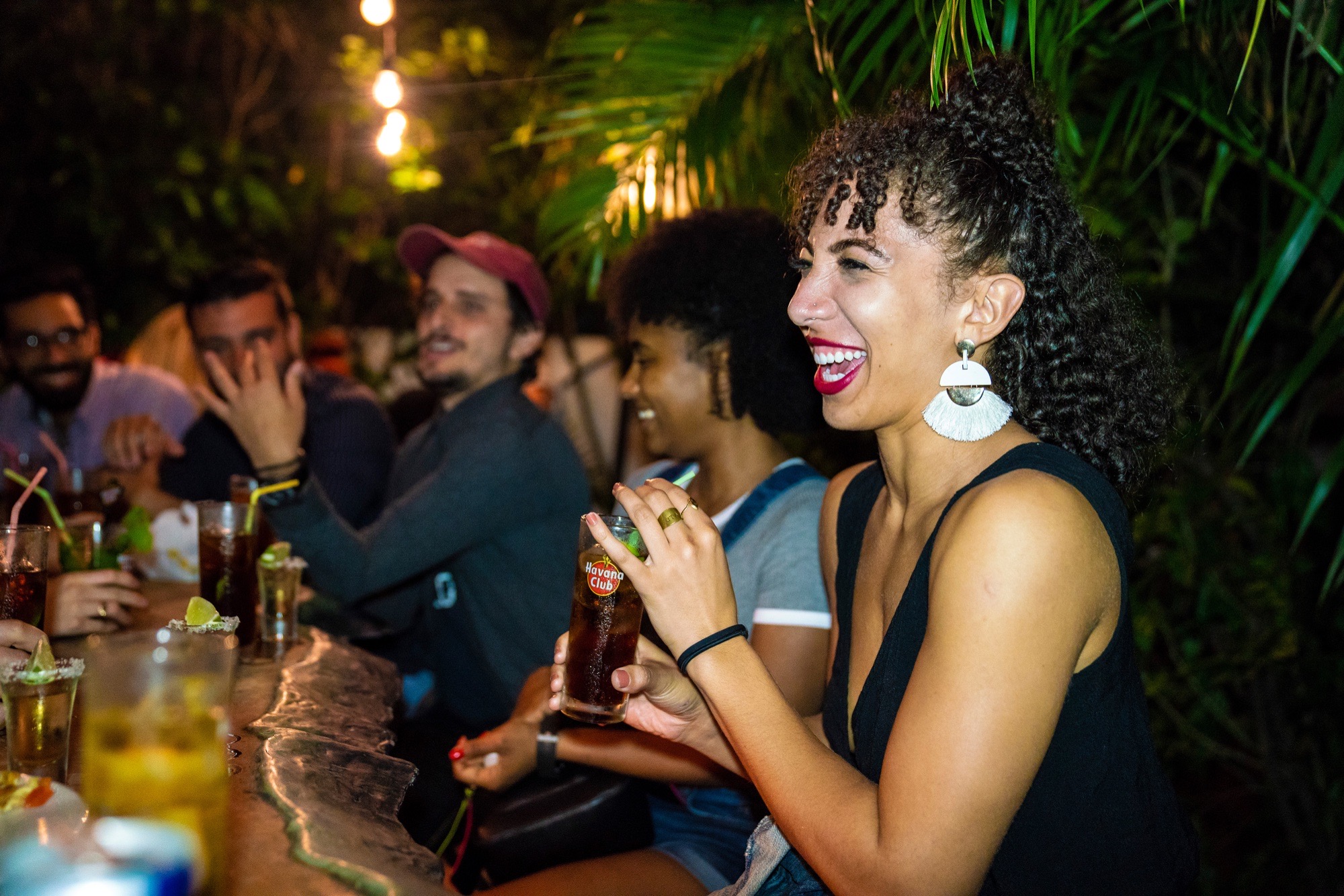
Live music is not a category in Havana; it's a default state. Spend at least one night in Vedado at a small jazz room or a casa de la música. The kind of musicianship you'll see at the door price of a coffee elsewhere is, here, half the dinner.
“Do the first list, by all means. But leave wide enough margins for the second to find you.”
The little ferry across Havana Bay leaves every twenty minutes, costs less than a candy bar, and gives you the view of the old city you came for. Take it in the morning, walk up the hill on the far side, and come back at lunch.
The Plaza de Armas market is open most days. Old Cuban posters, faded copies of Hemingway in Spanish, occasional gems of revolution-era graphic design. Bring cash. Bargain politely. The booksellers know what they have.
You will be terrible. So will the other tourists in the class. The teacher will be patient and the music will be better than you expected. After an hour, your trip's photographs will be measurably better, because you'll know where to put your shoulders.
F.A.C. is the cultural center the city was waiting for — galleries, performances, music, food, and a crowd of locals and visitors mixing on the same dance floor. Open Thursday through Sunday. Get there early; the line is real.
Find a rooftop. Order a daiquiri. Light a cigar (we wrote a whole post on the technique). Watch the sun set. Don't take a picture unless you can take a good one — but do remember it.
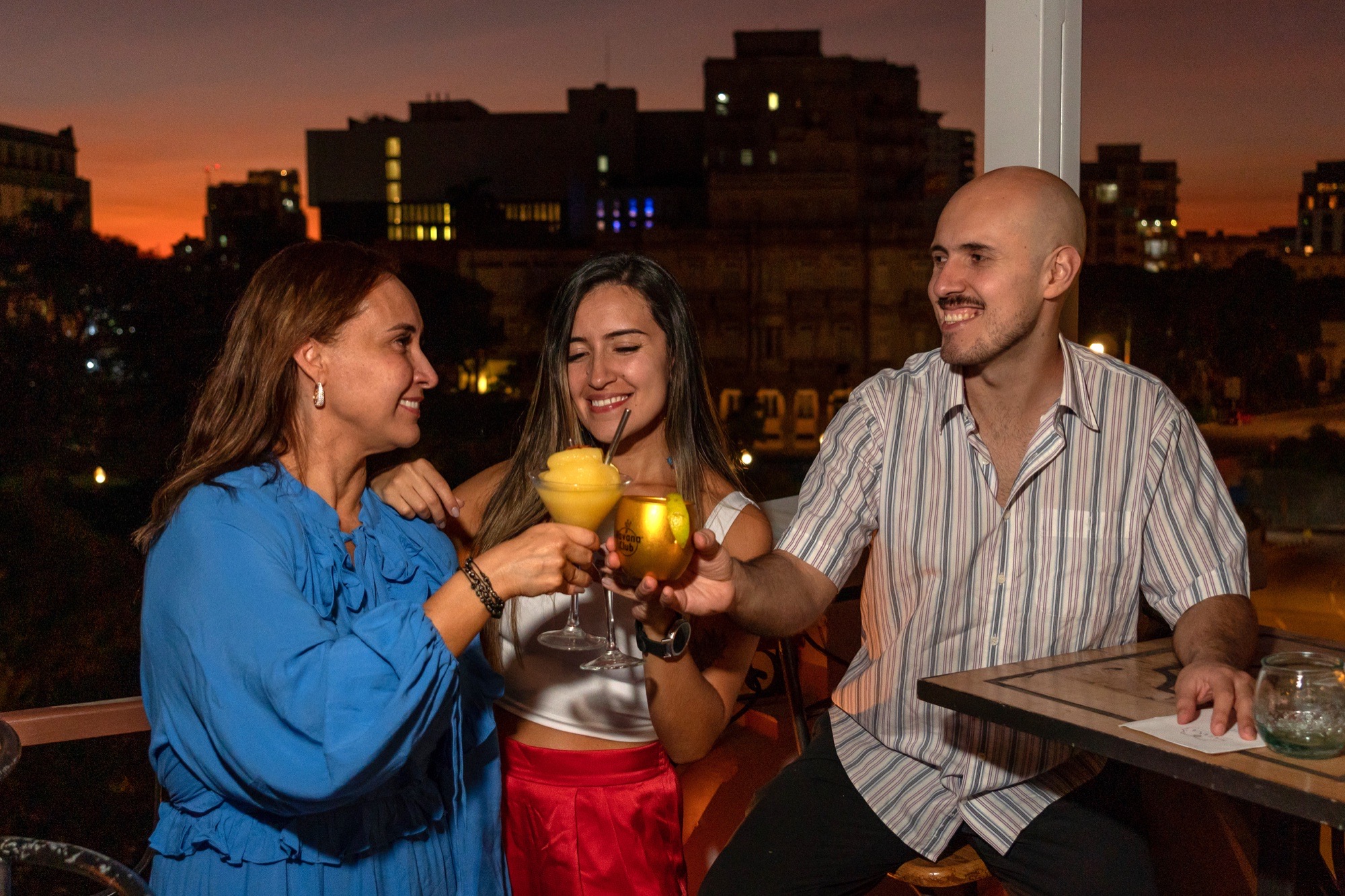
Centro is rougher, louder, and more honest than Habana Vieja. Walk it slowly between four and six, when the heat breaks and the porters drag chairs out onto the sidewalks. Don't plan a destination. Half of our favorite photographs were made in the unplanned hour.
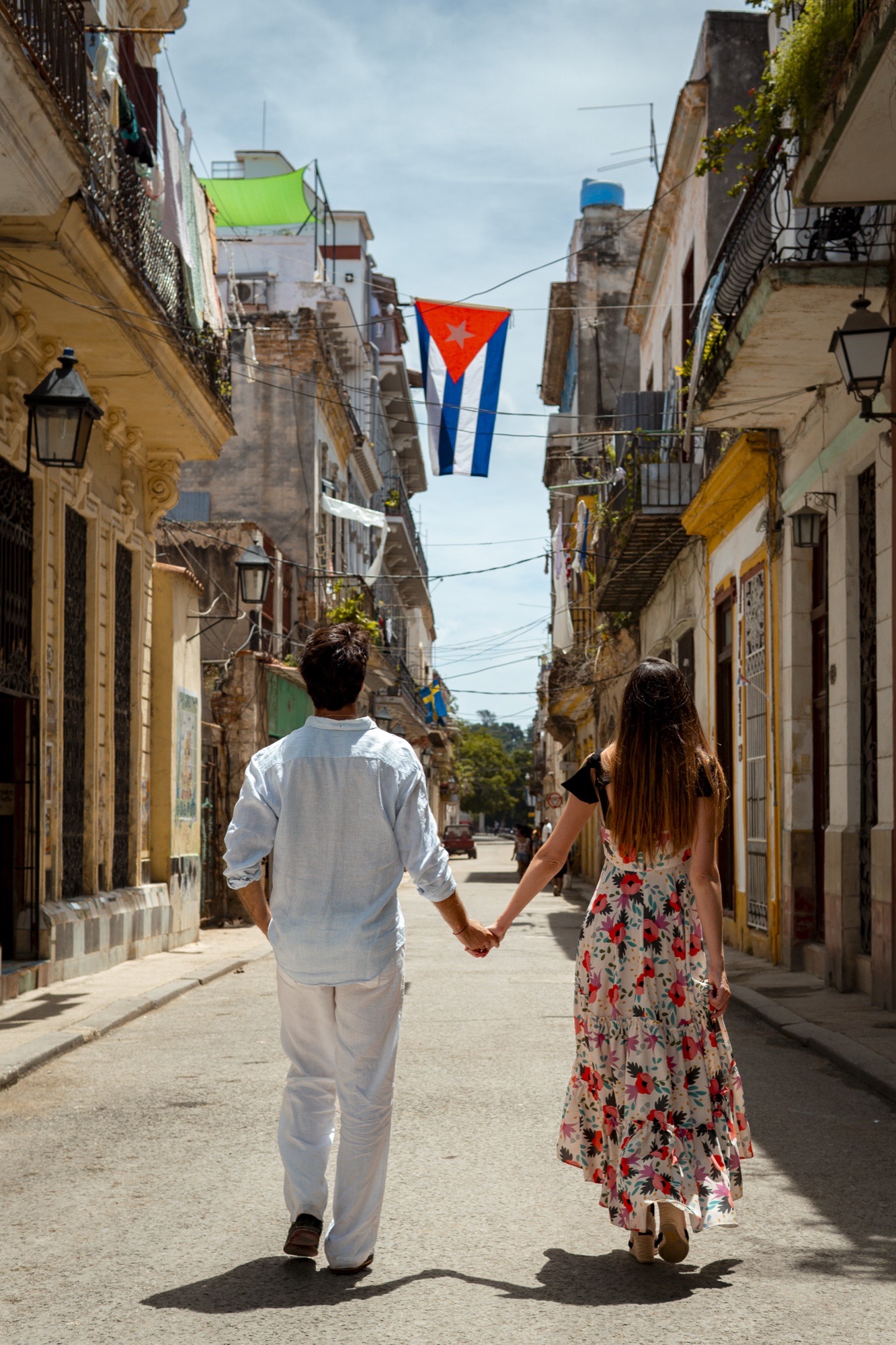
The afternoon you sit on a doorstep talking to someone's grandmother. The hour after a thunderstorm when the city smells like wet stone and cooking oil. The salsa that breaks out unexpectedly in a courtyard you weren't looking for. The conversation with a taxi driver that lasts twenty minutes after you've already paid.
Do the first list, by all means. But leave wide enough margins for the second to find you. It always does.
The Cuban Swing strings several of these together — the convertible down Quinta Avenida, the golden-hour Malecón, a couple of neighborhoods you'd never find alone — with a photographer catching it all as you go.
See the Cuban Swing →Where the music is real, where the rum is poured heavy, where to walk at midnight and where to take a taxi. A neighborhood-by-neighborhood map.
Read on →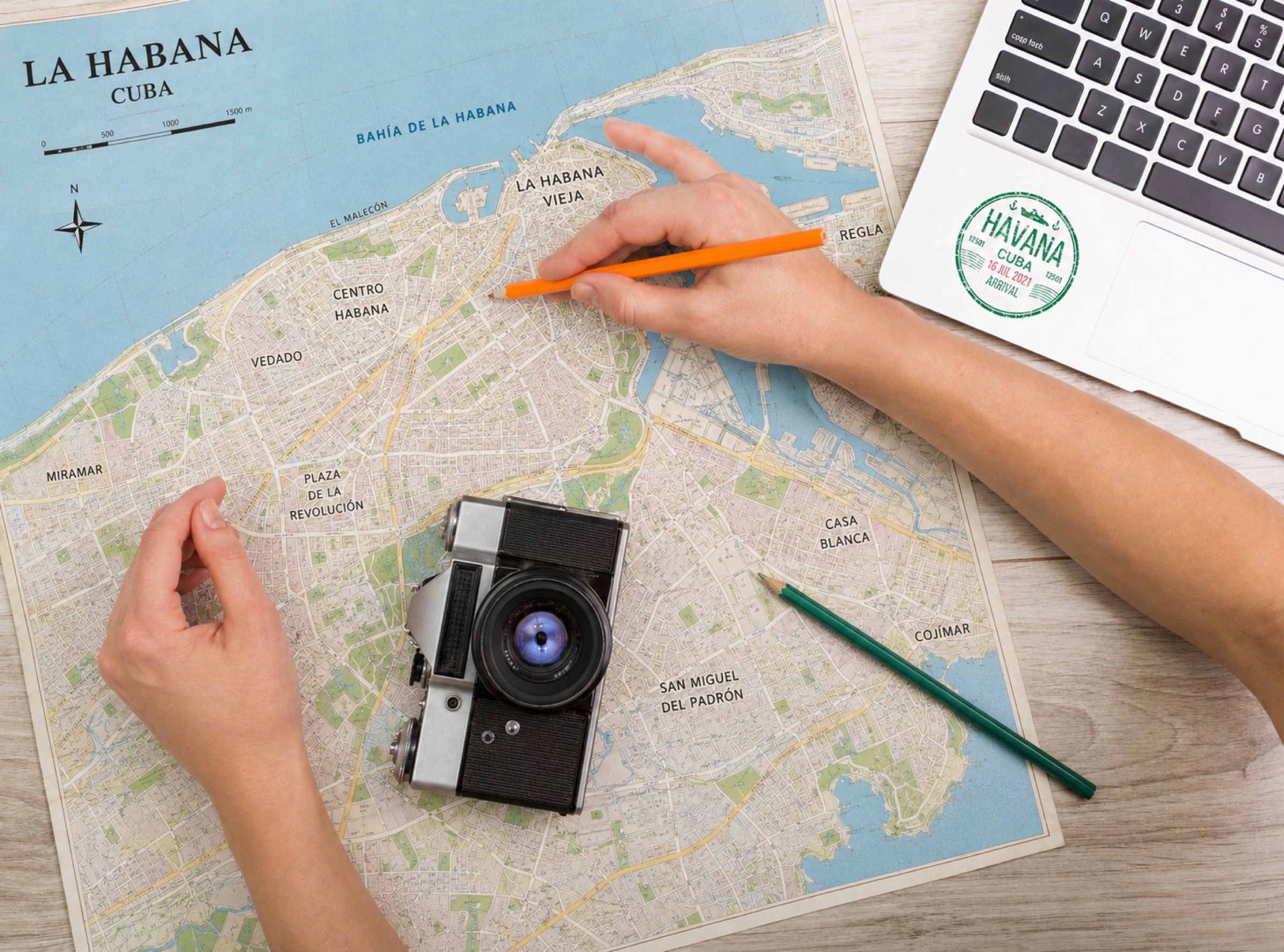
What to pack, what to skip, where the wifi works, which street hustles to wave off, and the one thing every traveler wishes they'd done on day one.
Read on →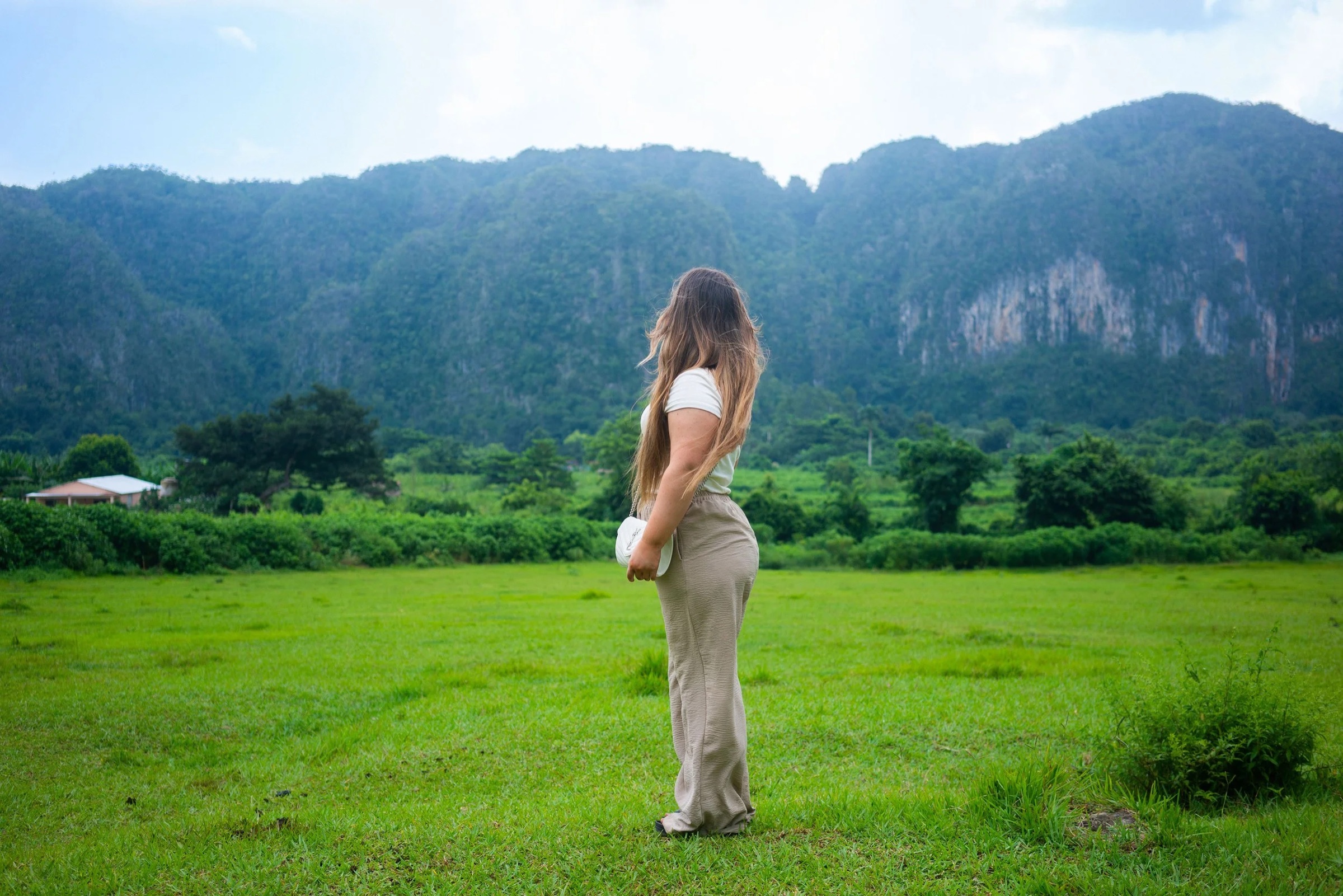
Jurassic mountains, red earth, thatched drying barns, and the tobacco every cigar maker on earth envies. A love letter to the valley we drive to before dawn.
Read on →Reading is good. Walking is better. Book a session and let one of us walk you through the city.