Field notes
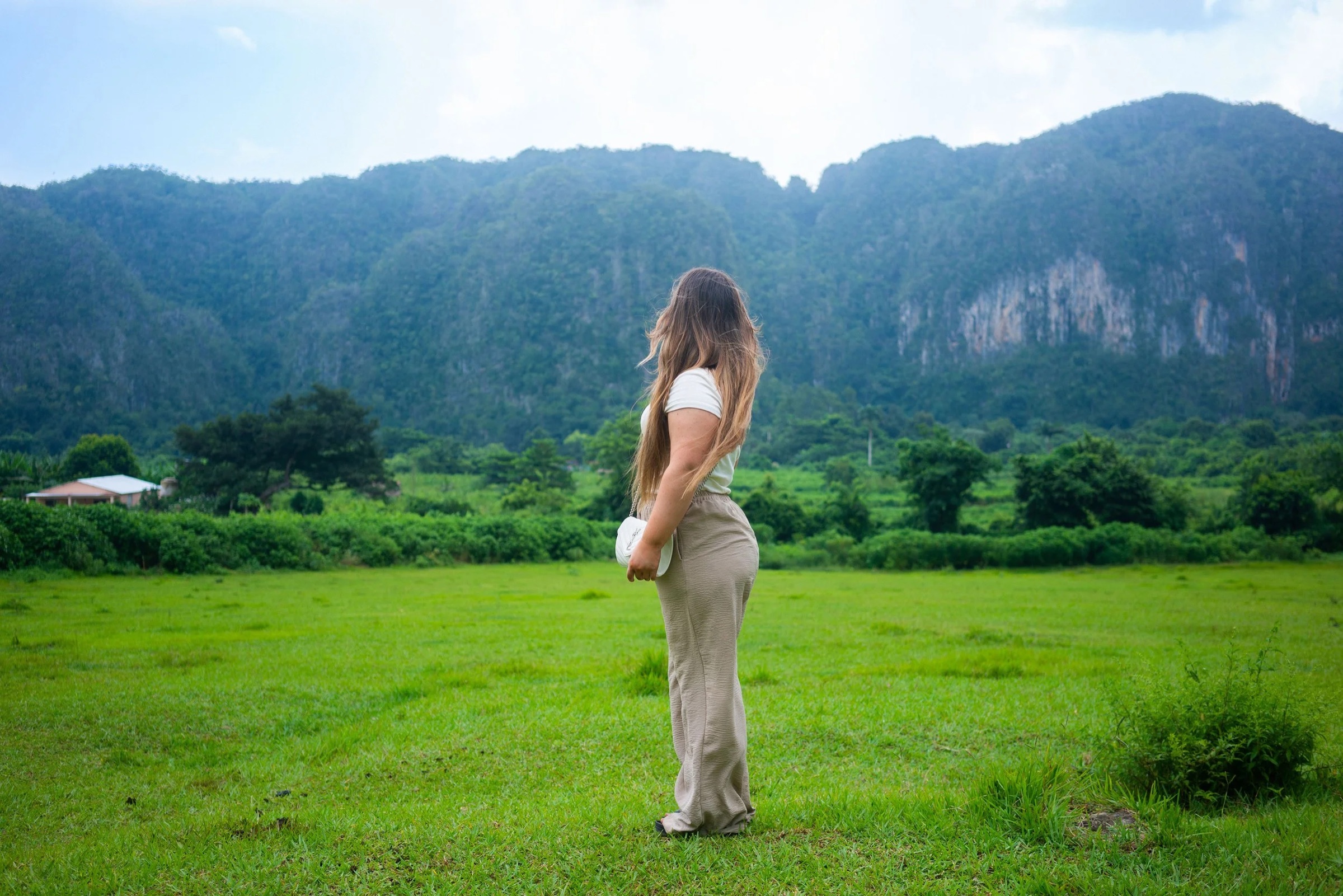
Viñales, where the world's best cigars begin
Jurassic mountains, red earth, thatched drying barns, and the tobacco every cigar maker on earth envies. A love letter to the valley we drive to before dawn.
Read on →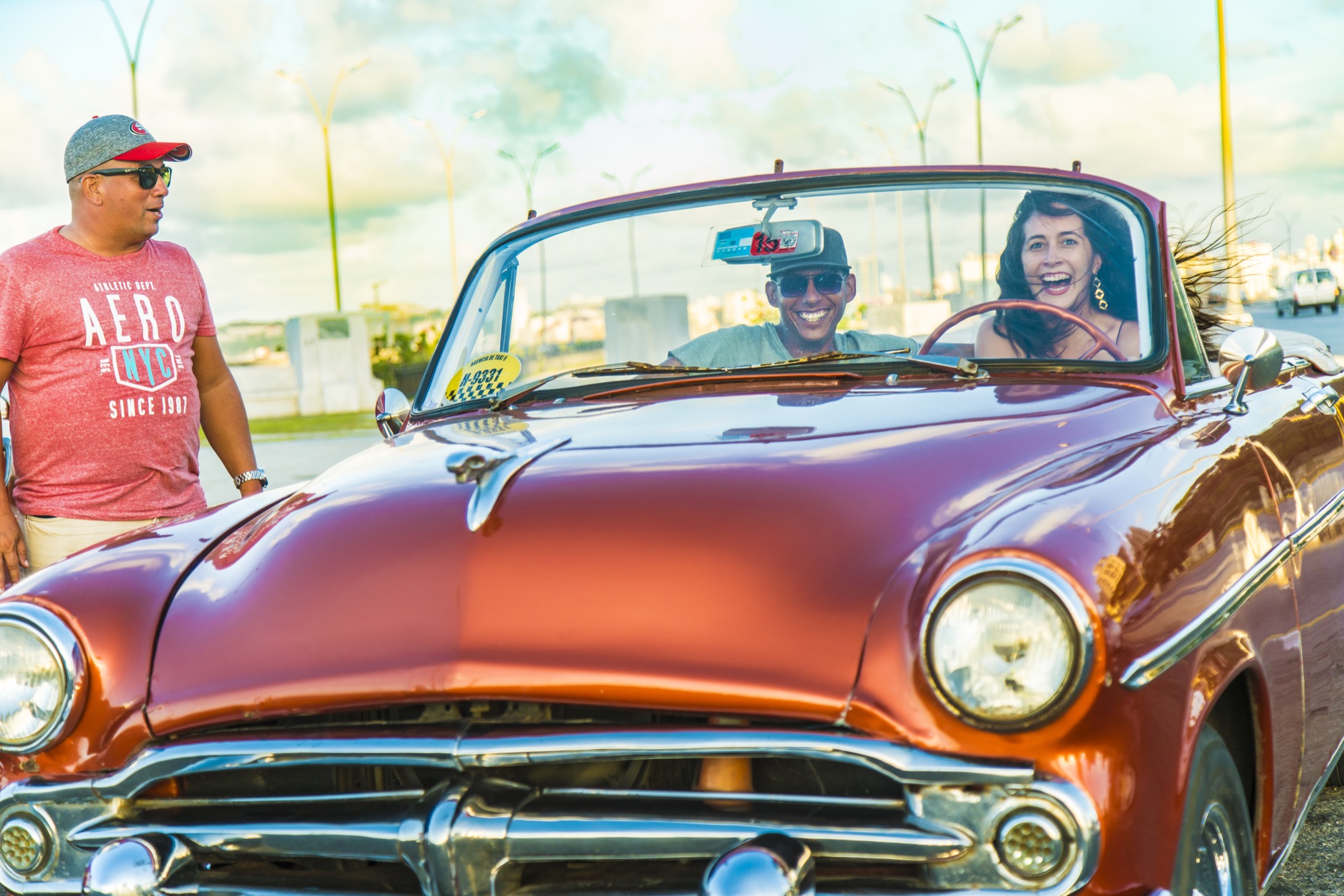
Where your dollar lands matters more here than almost anywhere. A guide to the casas, paladares, artisans, and small businesses that turn a holiday into a contribution — and why it's the better trip too.
There are two economies in Cuba, and you'll move between them all week without quite realizing it. One is run by the state — the big hotels with the marble lobbies, the air-conditioned tour buses, the chain restaurants on the corners with laminated menus in four languages. The other is the network of casas, paladares, drivers, photographers, dance teachers, bartenders, farmers, and grandmothers cooking lunch from their own living rooms. The first economy is easy; it finds you at the airport. The second one is the trip you actually came for — and it's the one that needs you.
Cuba doesn't run on the peso the way other countries run on their currency. It runs on the dollar you hand a specific person, in cash, on a specific afternoon. There is no trickle-down here to speak of: money that goes to a state hotel largely stays with the state, while money that goes to a casa owner is, that same evening, buying eggs and school shoes and a part for the '53 Chevy that is also the family's livelihood. Where you spend isn't a moral footnote to your trip. In Cuba, it's most of the story.
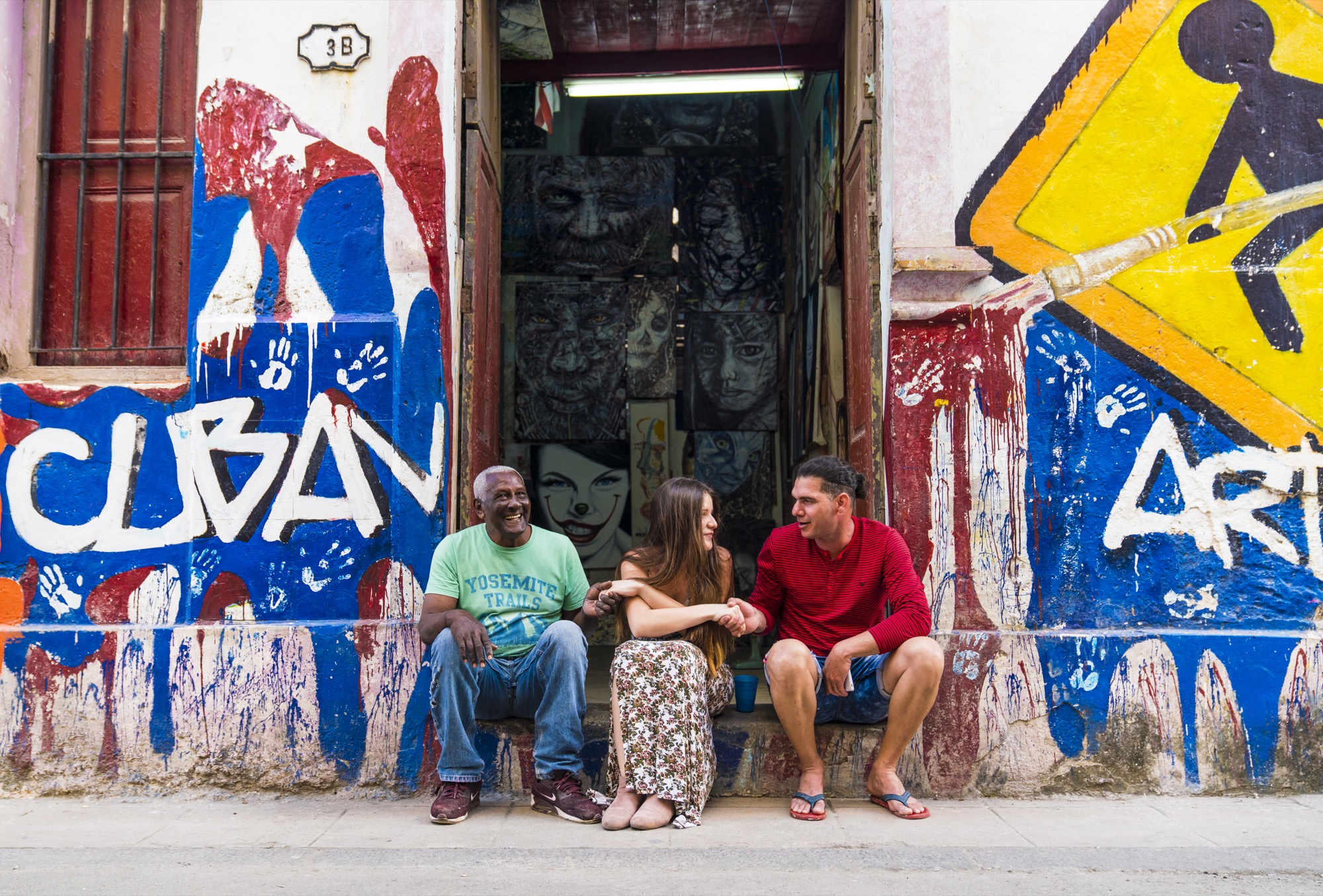
In most places, "shop local" is a nice idea — a way to feel slightly better about a purchase you were going to make regardless. In Cuba it's structural. After decades in which nearly everyone worked for the state for a salary that no longer covers a week of groceries, the private sector — legalized in fits and starts, expanded sharply in recent years — is how a growing share of Cuban families actually survive. The casa owner, the paladar cook, the guy who restored his grandfather's convertible by hand: these aren't quaint alternatives to the "real" tourist economy. For the people in them, they are the difference between staying and leaving.
That last part is not an abstraction. Ask anyone under forty in Havana how many of their friends have left in the past few years, and watch their face. A trip that puts money directly into independent hands is, in a small but real way, an argument for staying — proof that a life can be built here, on your own terms, without a uniform and a state salary.
None of this requires sacrifice or sainthood. It mostly means making the slightly more human choice at each fork, and the good news is that the more human choice is almost always the better experience too. Here's the short version we give friends:
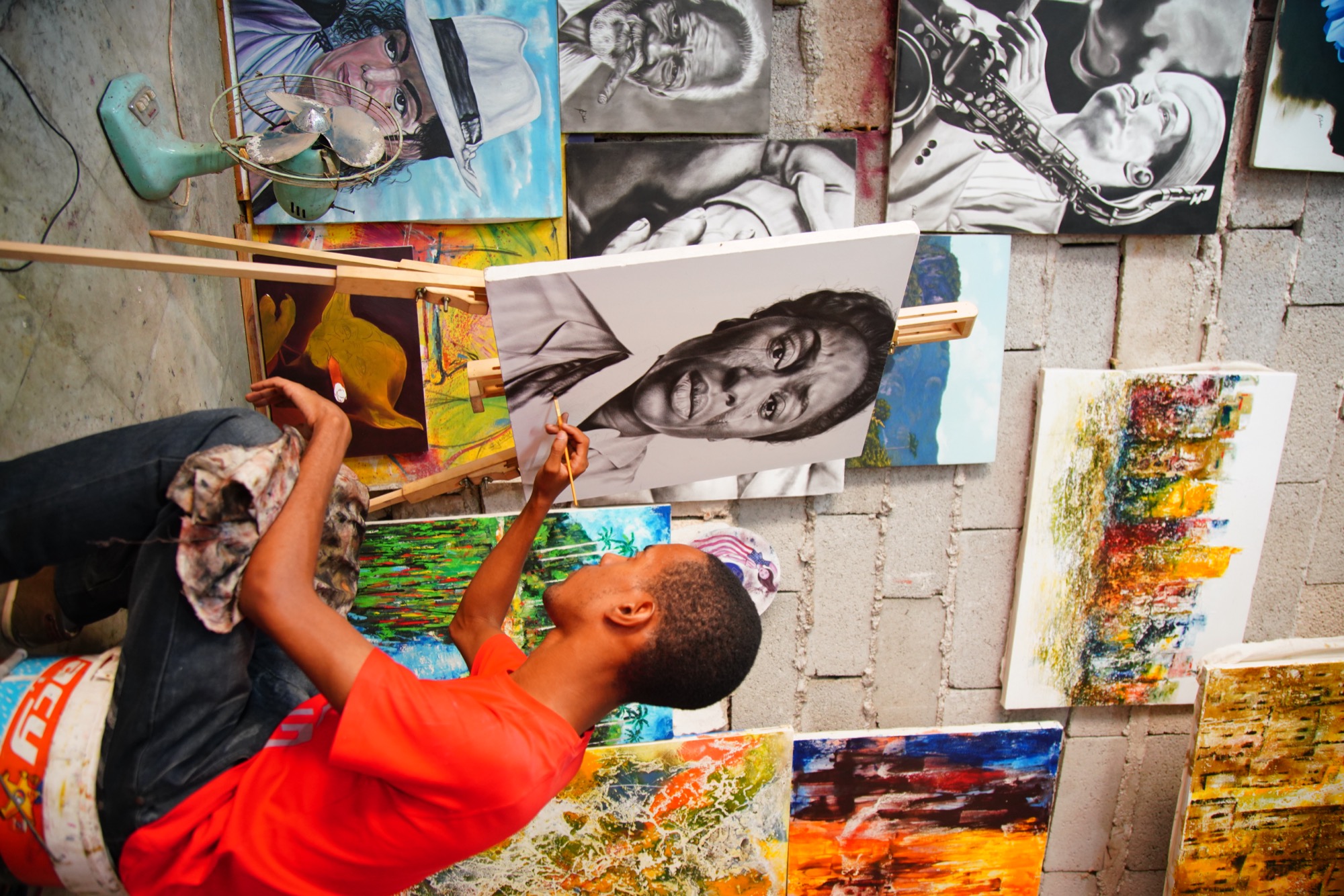
“A night at a casa keeps a family in groceries for the week.”
The deepest version of "support" isn't only financial — it's attention. Cubans are, almost to a person, extraordinary hosts and storytellers, and the single best thing you can do is slow down enough to let a stranger become a person. Take the guitar player up on his song. Ask the driver about the car. Let the farmer show you how a cigar is rolled. These moments cost little or nothing and mean everything; they're also, not coincidentally, where the trip's best photographs and the best memories both come from.
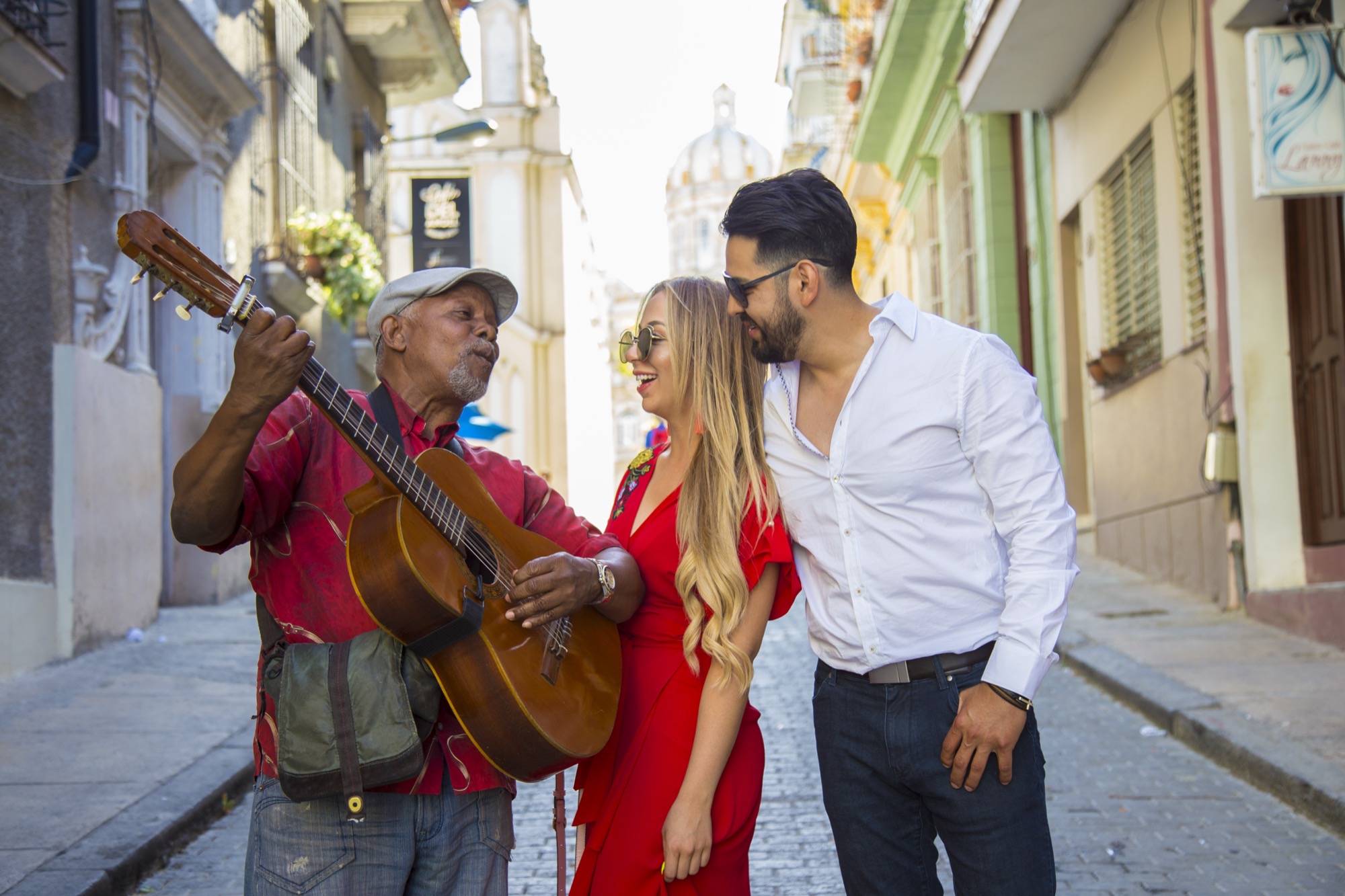
You'll come home with stories about specific people, not generic places — not "we ate at a place," but "we had dinner with María, who taught us to make picadillo and sent us off with a tupper of it for the road." Not "we rented a car," but "Lázaro drove us for three days and is now, somehow, family." That's the souvenir that lasts, and it's only available in the second economy.
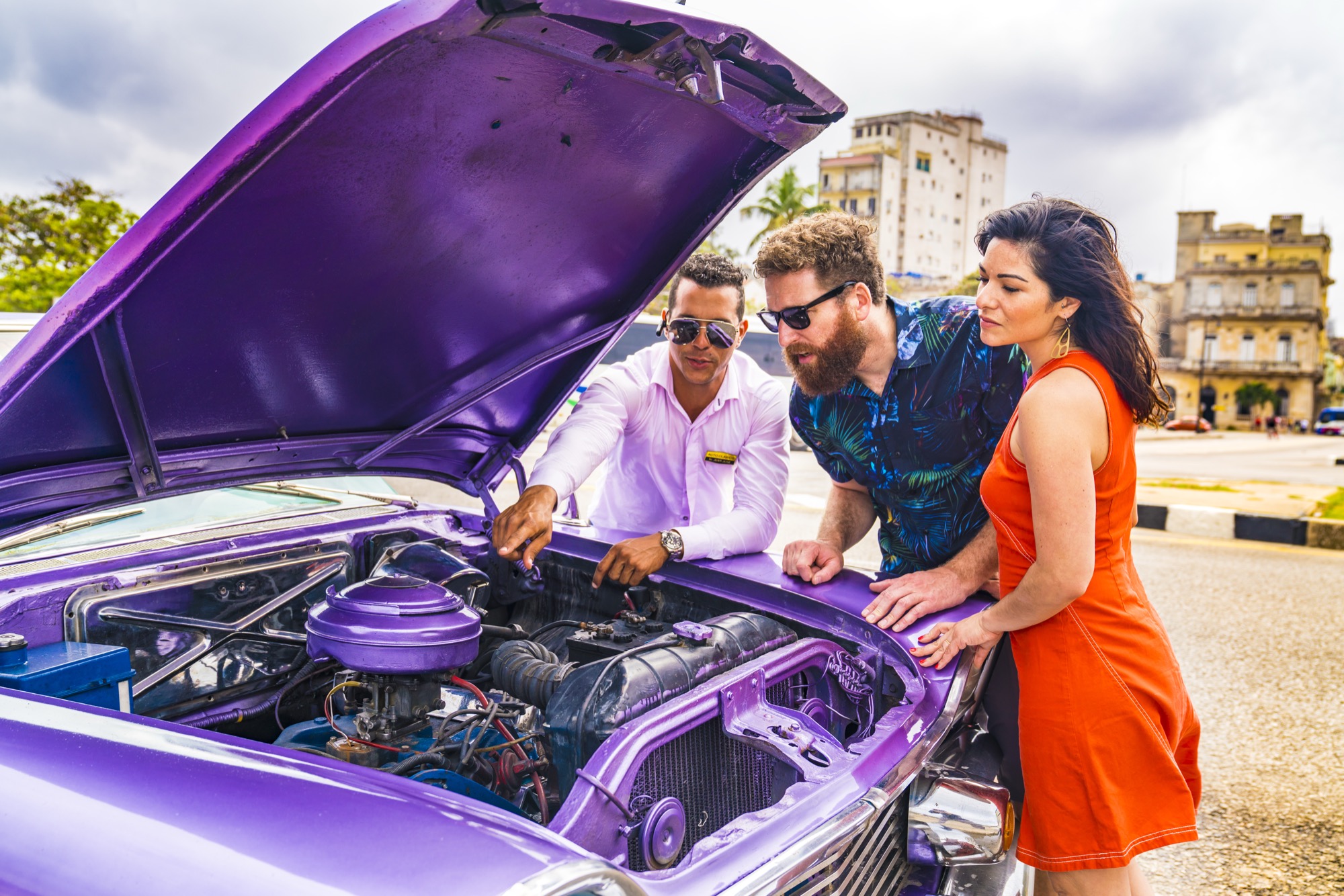
If you're a US traveler, all of this happens to line up exactly with the law. "Support for the Cuban People" is one of the twelve authorized travel categories, and its requirements read like a description of a good trip: stay in casas particulares, eat at paladares, shop with independent vendors, engage with Cubans, and keep records of it. Booking a session with a small studio, sleeping at a casa, eating at a family restaurant — these aren't loopholes you're exploiting. They are, literally, the thing the category asks you to do. (We wrote a full step-by-step on the visa and this category if you want the details.)
We'll close with our own house, because we'd rather show than preach. Every session you book with us pays several people, in cash, on the day: the photographer, the driver, sometimes a second shooter, the bartender at our usual rooftop, and one of the grandmothers who lets us photograph in her courtyard and insists on sending you home with coffee. None of us work for a corporation. We grew up on these streets, we still live on them, and we built this studio precisely so that staying would be possible. When you book with us, that's what your money holds up.
Thank you for reading this far — and for choosing the harder, warmer, infinitely better way to see Cuba.
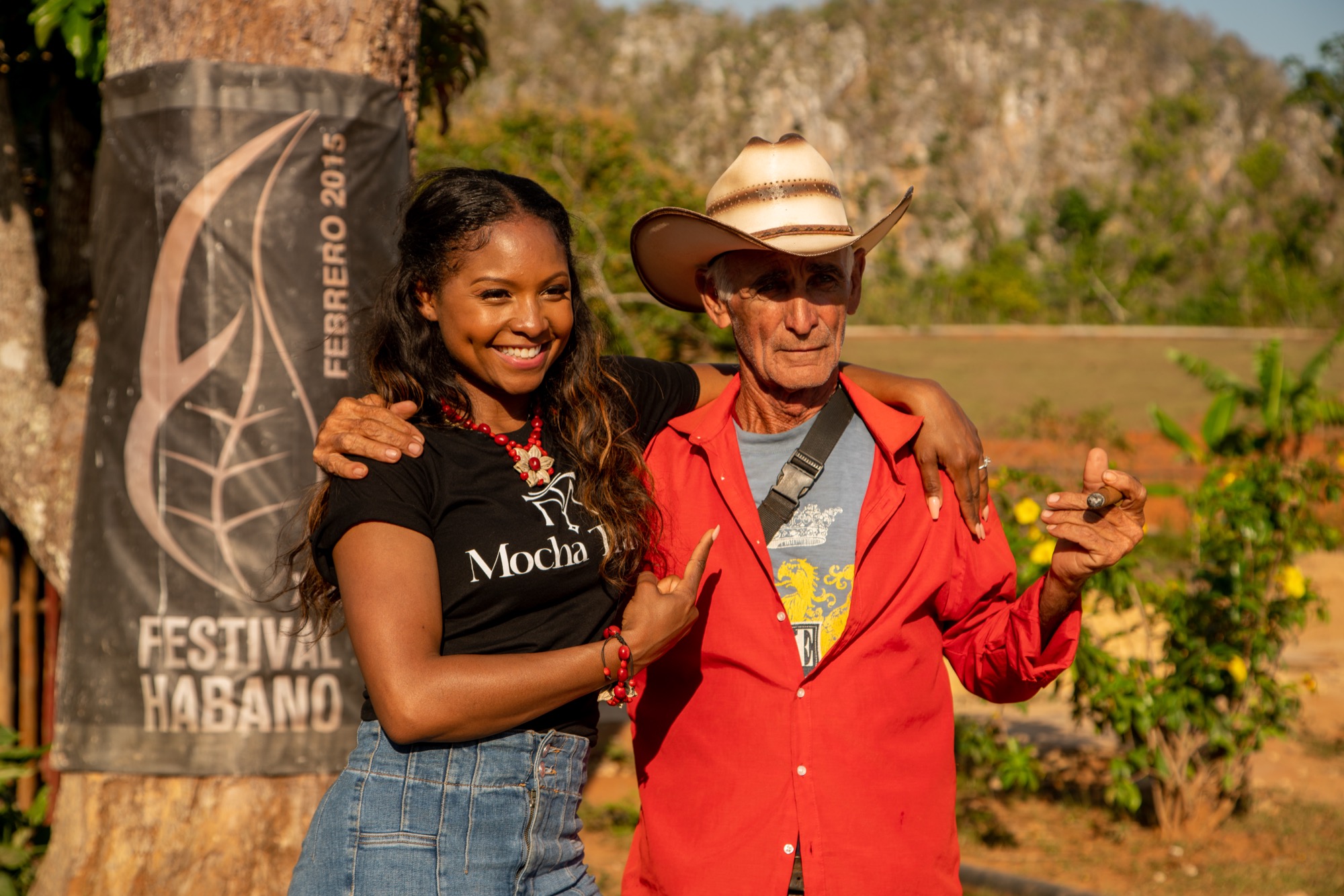
The Cuban Swing is two hours with one of our photographers, on foot and in a classic car — local, independent, and exactly the kind of spending that holds a household up.
See the Cuban Swing →Jurassic mountains, red earth, thatched drying barns, and the tobacco every cigar maker on earth envies. A love letter to the valley we drive to before dawn.
Read on →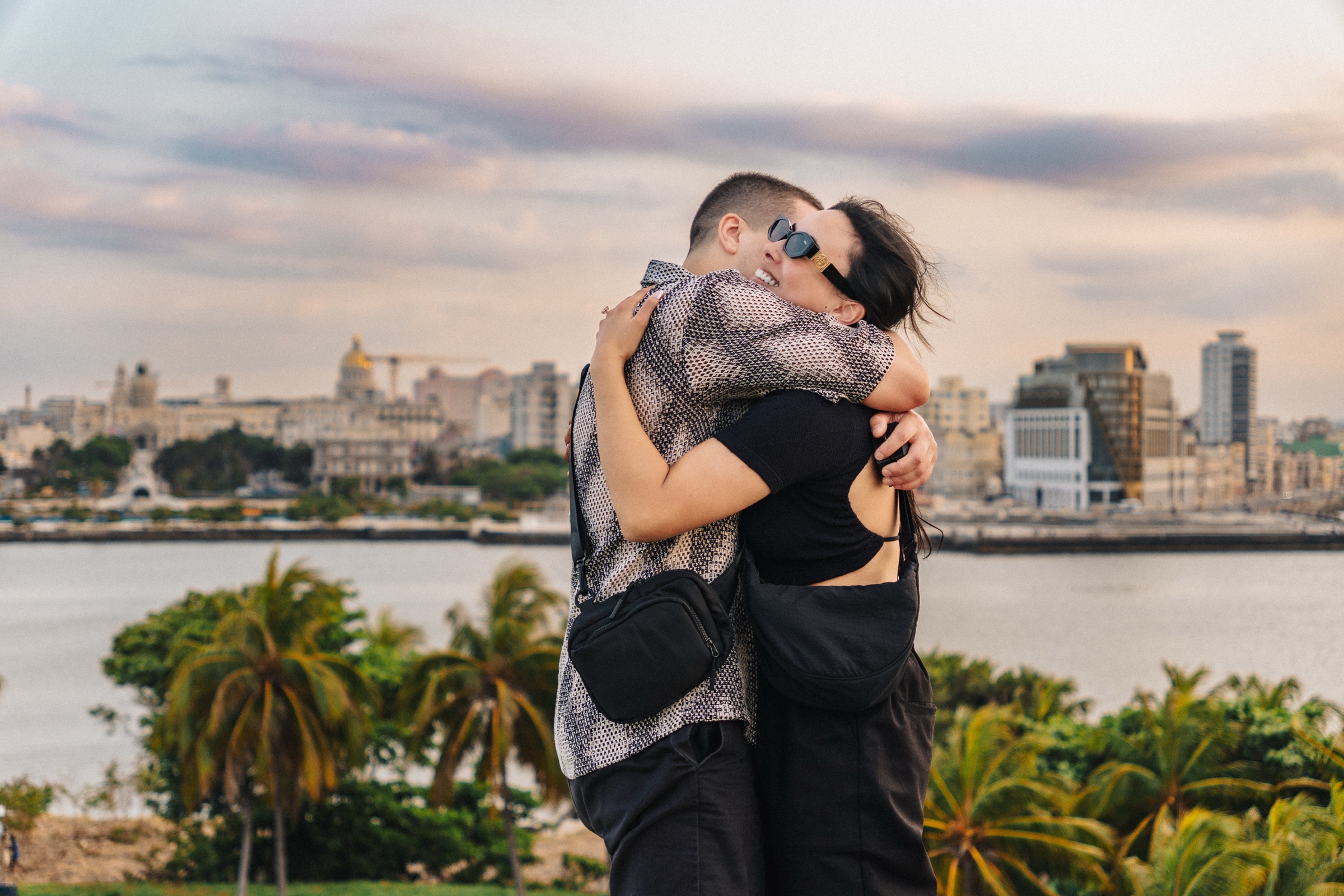
It starts weeks earlier, in an email thread she'll never see. It ends on a rooftop with champagne. In between: one question, on one knee, in the most photogenic city in the world.
Read on →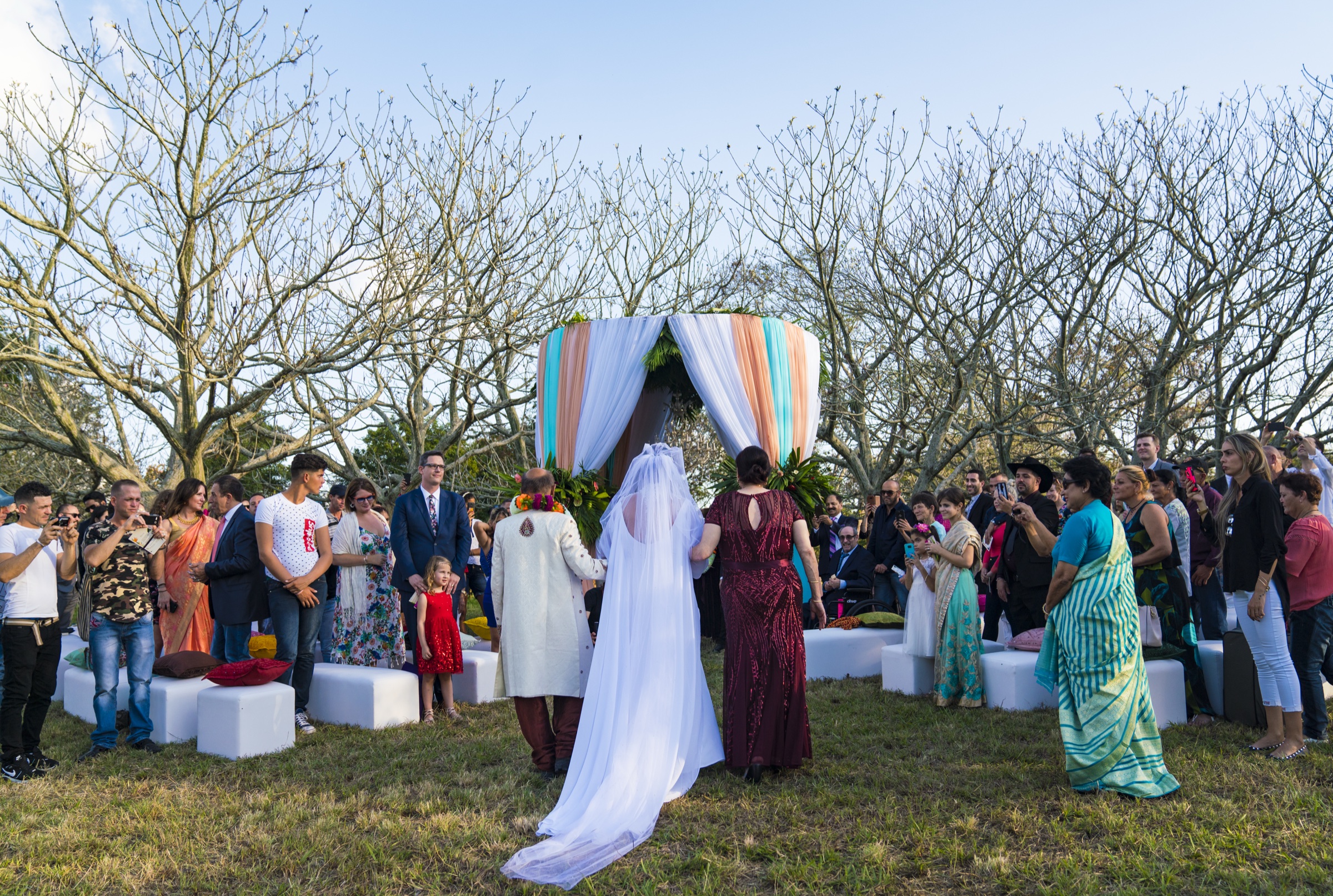
He grew up riding horses outside Havana. Her family came from India by way of New York. The wedding had garlands, a mandap strung between the trees, a sitar in a colonial courtyard — and a horse.
Read on →Reading is good. Walking is better. Book a session and let one of us walk you through the city.